 Pin it
 My friend texted me a photo of her cap and gown three weeks before graduation, and I knew exactly what I wanted to make. There's something about a sheet cake that says celebration louder than anything else—it feeds a crowd, it's unabashedly generous, and when you pipe those buttercream roses across the top, it transforms from simple dessert into a moment worth remembering. The first time I attempted this, my roses looked more like abstract blobs, but nobody cared because the cake itself was soft, buttery, and exactly what everyone wanted. Since then, I've made it for graduations, promotions, and quiet victories that deserved acknowledgment.
I'll never forget watching my cousin's eyes light up when she saw the cake at her graduation party—not because it was perfect, but because it was there, decorated with care and tasting like home. The buttercream roses weren't flawless, sure, but they caught the afternoon light, and people kept reaching for slices all evening. That's when I realized this cake isn't really about impressing anyone with technique; it's about showing up for someone you care about with something made by your own hands.
Ingredients
- All-purpose flour (3 cups): Make sure it's sifted or spooned and leveled, not scooped directly from the bag, or you'll end up with a dense cake.
- Baking powder and baking soda (2½ tsp and ½ tsp): These two work together to give you that tender crumb and slight lift that makes the cake feel almost cloud-like.
- Unsalted butter for cake (1 cup, room temperature): Cold butter is your enemy here—it won't cream properly, and you'll miss out on the light, fluffy texture that makes this cake special.
- Granulated sugar (2 cups): Don't skip the creaming step with butter; those few minutes of beating is where the magic happens.
- Eggs (4 large, room temperature): Room temperature eggs incorporate smoothly and help build structure; cold ones can curdle the batter.
- Vanilla extract (1 tbsp): Use real vanilla if you can—it adds a warmth that pure vanilla essence just doesn't match.
- Whole milk (1¼ cups, room temperature): The alternating flour-milk method keeps the batter from becoming tough or curdled.
- Unsalted butter for buttercream (1½ cups, room temperature): Same rule applies—room temperature is non-negotiable for smooth, creamy frosting.
- Powdered sugar (6 cups, sifted): Sifting removes lumps and makes piping infinitely easier; I learned this the hard way.
- Gel food coloring: Skip liquid coloring; it thins the frosting and muddles your colors, and you'll spend extra time trying to get vibrant roses.
Tired of Takeout? 🥡
Get 10 meals you can make faster than delivery arrives. Seriously.
One email. No spam. Unsubscribe anytime.
Instructions
- Set the stage:
- Preheat your oven to 350°F and grease that 12x18-inch pan generously, then line it with parchment paper so the cake releases cleanly. This matters more than you think when you're trying to get the cake out in one piece.
- Mix the dry ingredients:
- Whisk together your flour, baking powder, baking soda, and salt in a medium bowl, breaking up any lumps. This pre-mixing ensures everything distributes evenly throughout the batter.
- Cream butter and sugar:
- Beat your room-temperature butter and sugar together for 3 to 4 minutes until it's pale, fluffy, and light as clouds. You're incorporating air here, which is what makes the cake tender.
- Add the eggs:
- Drop in one egg at a time, beating well after each addition so it fully incorporates. Add your vanilla at the end, and the mixture should look smooth and creamy.
- Alternate flour and milk:
- Starting with flour, alternate adding the dry mixture and milk to your creamed base, beginning and ending with flour. Stop mixing as soon as everything just comes together; overworking develops gluten and toughens the cake.
- Bake:
- Pour the batter into your prepared pan, smooth the top gently, and slide it into the oven for 30 to 35 minutes until a toothpick comes out clean. The kitchen will smell incredible, and that's when you know you're close.
- Cool completely:
- Let the cake cool all the way in the pan on a wire rack—I mean completely cold, not just room temperature. Trying to frost a warm cake is a recipe for melted mess.
- Make the buttercream:
- Beat your room-temperature butter until creamy, then gradually add the sifted powdered sugar a little at a time. Once it's mostly combined, add milk and vanilla, then beat for another 5 minutes until it's smooth, fluffy, and spreadable.
- Color your frosting:
- Divide the buttercream into bowls and tint with gel food coloring—a toothpick dab of gel goes a long way, so start small. Keep one bowl white for your base layer.
- Frost the base:
- Spread a thin layer of white buttercream over the cooled cake to create a smooth, even surface. This base layer keeps everything looking polished.
- Pipe the roses:
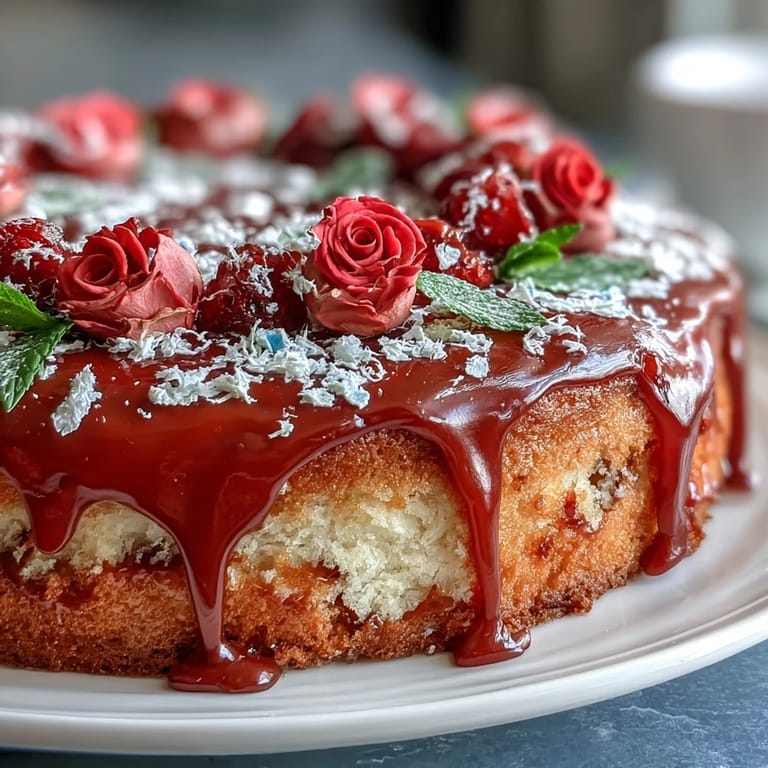
- Fit your piping bag with a petal tip, fill it with your chosen frosting color, and pipe roses by holding the bag at a 45-degree angle and moving in a spiral motion. It sounds fancy, but after a couple of tries, your hands remember what to do.
- Add leaves and finishing touches:
- Switch to a leaf tip and add green leaves around your roses, then write your message with a small round tip. Step back, breathe, and admire what you've made.
 Pin it
 There's a moment when the final rose is piped and the cake is done where you step back and realize you've created something that will be part of someone's celebration memory. That matters more than any imperfection ever could.
The Art of Piping Roses
Piping roses scared me until I realized they don't have to be perfect—they just have to look intentional. The secret is holding your piping bag at a 45-degree angle, keeping consistent pressure, and moving in a slow, deliberate spiral. Your first few roses might look wonky, but by rose number five or six, your hands settle into the rhythm. Practice on parchment paper first if nerves are getting to you; nobody has to see those attempts.
Why This Cake Feeds a Crowd
A 12x18-inch sheet cake serves 24 people, which makes it the ultimate celebration cake. It's big enough to feel generous, small enough to handle, and sturdy enough to travel if you're bringing it somewhere. I've carried this cake to outdoor parties in the summer heat, and as long as you keep the frosting cool and handle it gently, it travels beautifully.
Making It Your Own
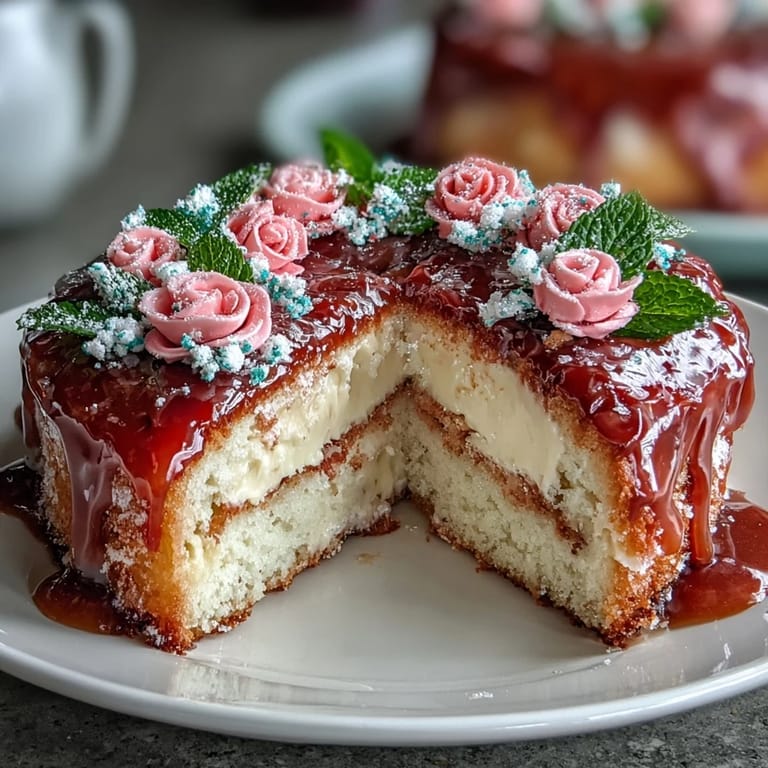
This cake is a canvas, and you're the artist. Want chocolate instead of vanilla? Swap ¾ cup of flour for unsweetened cocoa powder, and suddenly you've got a different cake entirely. The buttercream roses work just as well over chocolate, and the combination is genuinely stunning.
- For chocolate variation, use cocoa powder in place of the same amount of flour, then adjust milk slightly if the batter looks too thick.
- Write a personal message with a small round tip, or skip the roses entirely and scatter fresh berries across the top for a lighter look.
- Keep the cake covered at room temperature for up to 2 days, or refrigerate for up to 5 days if you're baking ahead of time.
 Pin it
 Every cake tells a story, and this one will carry the joy of whoever you're celebrating straight into the room. Bake it with care, frost it with confidence, and know that the imperfections are part of its charm.
Recipe FAQs
- → What type of flour is best for this cake?
All-purpose flour creates a tender crumb suitable for this vanilla sheet cake.
- → How do I achieve smooth buttercream consistency?
Beat unsalted butter until creamy before gradually adding powdered sugar, milk, and vanilla until light and fluffy.
- → Can I use food coloring for the buttercream roses?
Gel food coloring works best for vibrant, stable colors without affecting texture.
- → How long should the cake cool before frosting?
Allow the cake to cool completely in the pan on a wire rack to prevent melting the buttercream.
- → What piping tips are recommended for the decorations?
Use a petal tip for roses, a leaf tip for leaves, and a round tip for lettering or fine details.
- → Can I make a chocolate variation?
Yes, substitute ¾ cup of the flour with unsweetened cocoa powder for a chocolate twist.