 Pin it
 The steam hit my face as I drained the pasta, and I panicked for a second—had I grabbed enough pasta water? My friend Sofia had warned me about this the week before, but I'd been too confident. That first attempt at Cacio e Pepe taught me that this dish doesn't forgive shortcuts. The sauce broke, turning grainy instead of silky, and I stood there staring at what should have been creamy perfection. Now I keep a measuring cup by the stove, and I never, ever forget the pasta water.
I made this for my sister on a Tuesday night when she'd had a terrible day at work. She walked in, dropped her bag, and just sighed. Twenty minutes later, we were twirling spaghetti around our forks, and she looked up with cheese on her chin and said it was exactly what she needed. Sometimes the simplest food does the heaviest lifting.
Ingredients
- Spaghetti or tonnarelli (400 g): Tonnarelli is the traditional choice with its square shape that grabs the sauce beautifully, but spaghetti works perfectly and is easier to find in most grocery stores.
- Pecorino Romano cheese (120 g, finely grated): This sharp, salty sheep's milk cheese is the soul of the dish, and you must grate it fresh because pre-shredded versions contain anti-caking agents that will ruin your sauce.
- Whole black peppercorns (2 tsp, freshly cracked): Toasting the pepper releases oils that perfume your kitchen and give the dish its signature bold, aromatic bite.
- Kosher salt (1 tsp): This seasons the pasta water, which becomes the magic ingredient that binds cheese and pepper into creamy harmony.
- Unsalted butter (1 tbsp, optional): Purists skip this, but a small knob of butter adds a glossy richness that forgives minor sauce mishaps.
Tired of Takeout? 🥡
Get 10 meals you can make faster than delivery arrives. Seriously.
One email. No spam. Unsubscribe anytime.
Instructions
- Boil the pasta with purpose:
- Bring a large pot of water to a rolling boil, add the salt, and cook your spaghetti until it still has a slight firmness in the center. Before you drain, scoop out at least one and a half cups of that cloudy, starchy water because it's your secret weapon for a silky sauce.
- Wake up the pepper:
- While the pasta bubbles away, toss those cracked peppercorns into a dry skillet over medium heat and let them toast for about a minute. You'll know they're ready when the smell fills your kitchen and makes you a little hungry.
- Build the base:
- Pour one cup of that hot pasta water into the skillet with the toasted pepper and lower the heat. This creates a peppery broth that will cradle the cheese.
- Marry the pasta and pepper:
- Add the drained pasta directly into the skillet and toss it around, letting it soak up the flavors. The pasta should glisten and start to look a little glossy.
- Create the creamy magic:
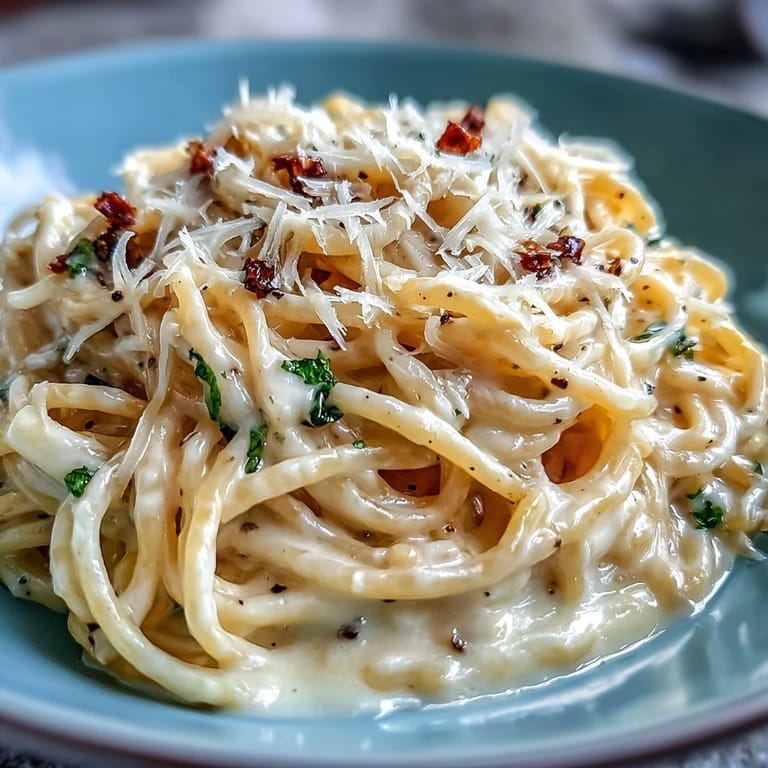
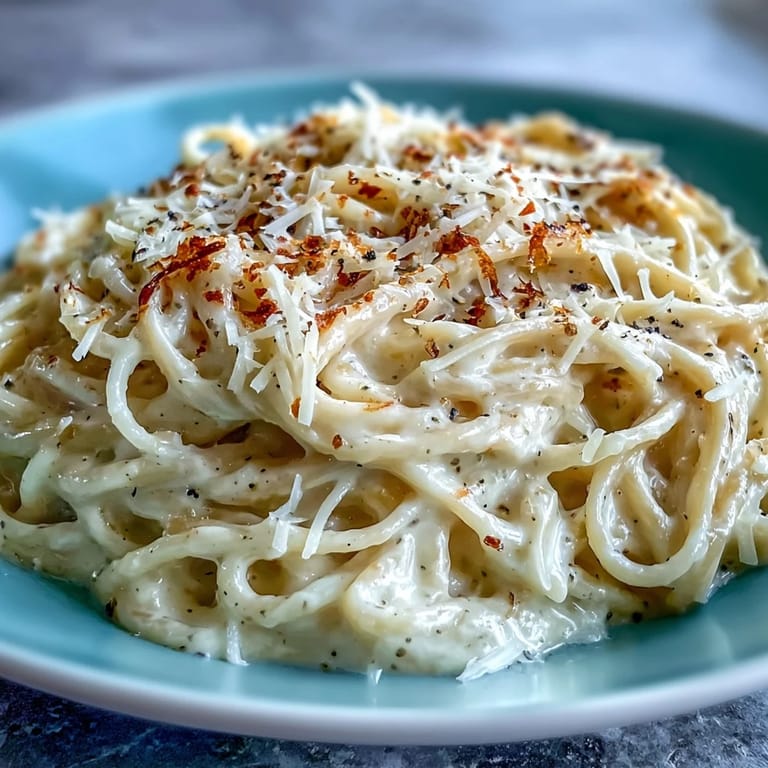
- Pull the skillet off the heat and start adding the grated Pecorino a little at a time, tossing constantly with tongs like you're conducting an orchestra. If it starts clumping or looking dry, add splashes of reserved pasta water and keep tossing until it turns creamy and coats every strand.
- Finish and serve:
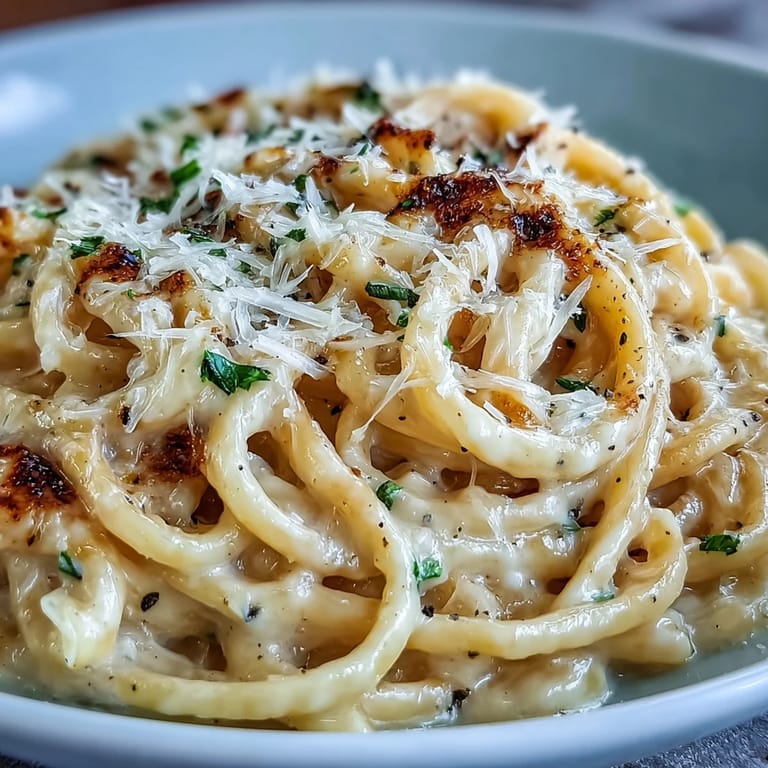
- If you're using butter, toss it in now and stir until it melts into the sauce. Plate immediately, shower with extra cheese and pepper, and don't wait because this dish is best in those first perfect moments.
 Pin it
 One evening, I served this to a friend who'd just returned from a trip to Rome. He took one bite, closed his eyes, and said it tasted like the tiny restaurant near the Pantheon where he'd eaten it under string lights. I didn't tell him I'd only learned to make it three months ago. Some dishes just carry a sense of place, no matter where you cook them.
Choosing Your Pasta
Tonnarelli is traditional because its square, thick strands hold onto the sauce like they were made for each other, but I've made this with spaghetti, bucatini, and even linguine when that's what I had in the cupboard. The key is using a long pasta that you can twirl, something with enough surface area to catch all that peppery, cheesy goodness. I've found that fresh pasta cooks too quickly and doesn't release enough starch, so dried is actually better here.
The Cheese Situation
Pecorino Romano has a sharp, funky intensity that Parmesan just can't match, and using anything else changes the entire character of the dish. I learned this after trying a half Parmesan, half Pecorino version that tasted fine but missed that salty punch. Grate it on the smallest holes of your grater so it melts fast and smooth. If you can only find a wedge that's rock hard, let it sit at room temperature for ten minutes before grating.
What to Serve Alongside
Cacio e Pepe is rich and bold, so I like to keep sides light and simple. A crisp green salad with lemon vinaigrette cuts through the richness, or you can do what my neighbor does and serve it with roasted asparagus when it's in season. A glass of chilled Frascati or Vermentino feels right, something bright and citrusy that won't compete with the pepper.
- A simple arugula salad with shaved fennel and a squeeze of lemon balances the creaminess beautifully.
- Garlic bread feels indulgent but is perfect for soaking up any sauce left on the plate.
- If you want to make it a fuller meal, start with a light vegetable soup or a plate of marinated olives.
 Pin it
 This dish has become my go to when I want to feel capable in the kitchen without fussing over a long ingredient list. It reminds me that sometimes the best cooking is about respecting a few perfect ingredients and letting them shine.
Recipe FAQs
- → What type of cheese works best for Cacio e Pepe?
Pecorino Romano is essential for authentic flavor. This sharp, salty sheep's milk cheese creates the signature taste. Avoid pre-shredded varieties as they contain anti-caking agents that prevent smooth melting. Freshly grated Pecorino ensures a creamy, lump-free sauce.
- → Why does my sauce turn clumpy instead of creamy?
Temperature control is crucial. Remove the pan from heat before adding cheese, and add it gradually while tossing vigorously. If the pan is too hot, the cheese will seize and clump. Use reserved pasta water to adjust consistency and help emulsify the sauce smoothly.
- → Can I substitute Parmesan for Pecorino Romano?
While Parmesan will work in a pinch, it significantly changes the dish's character. Pecorino Romano has a sharper, saltier flavor that defines authentic Cacio e Pepe. Parmesan is milder and sweeter, resulting in a different taste profile altogether.
- → What pasta shape is traditionally used?
Tonnarelli, a square-cut spaghetti, is the traditional Roman choice. Regular spaghetti works excellently as a substitute. The long strands allow the peppery cheese sauce to coat each piece perfectly. Avoid short pasta shapes as they don't deliver the same authentic experience.
- → How do I prevent the sauce from becoming too thick or too thin?
Reserve plenty of pasta cooking water before draining. Start with one cup in the pan, then adjust gradually. The starchy water helps bind the cheese and create the right consistency. Add water in small splashes while tossing until you achieve a silky, coating texture that isn't watery.
- → Is butter traditional in Cacio e Pepe?
Traditional Roman versions use only cheese, pepper, and pasta water. However, many cooks add a small amount of butter for extra richness and to help emulsify the sauce. Purists may omit it, but it can make the dish more forgiving for beginners.