 Pin it
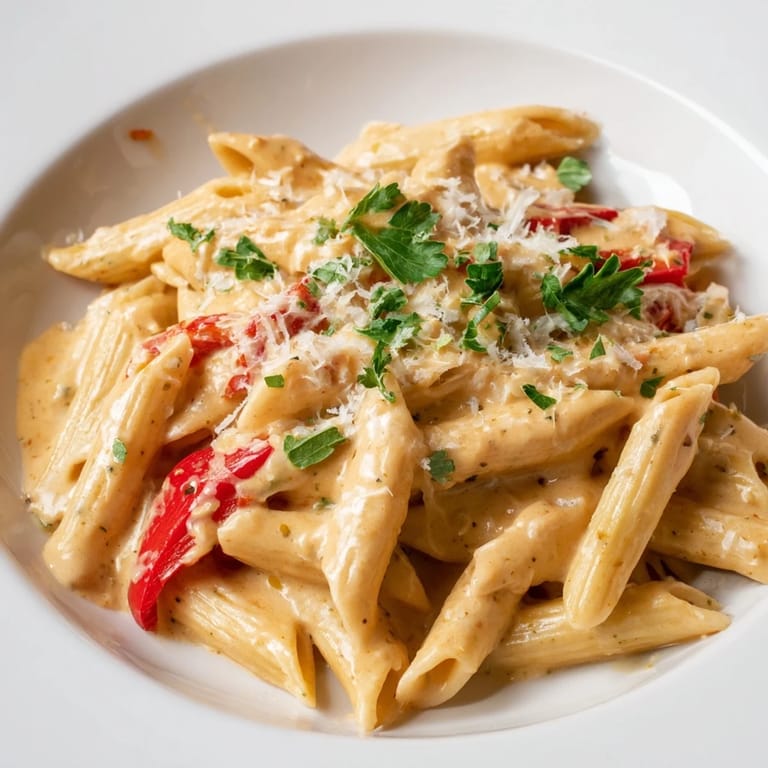
 My neighbor once knocked on my door holding a half-empty jar of Cajun seasoning and asked if I knew what to do with it. An hour later, we were standing in my kitchen watching cream swirl into smoky red spices, and neither of us said much because the smell alone was enough. That improvised dinner turned into this recipe, the kind that tastes like you spent all day on it but really just asked you to pay attention for twenty minutes. It's become my go-to whenever I want something bold but comforting, the sort of dish that makes your kitchen smell like a restaurant you'd wait in line for.
I made this for a potluck once, and someone asked if I'd trained in New Orleans. I hadn't, but I learned that a good Cajun-inspired dish doesn't need to be authentic to be delicious. It just needs balance: heat that builds slowly, cream that softens the edges, and something sweet to pull it all together. That night, I realized this pasta doesn't pretend to be something it's not, and that's exactly why people keep asking for the recipe.
Ingredients
- Penne or fettuccine: Penne holds the sauce in its ridges, while fettuccine lets the cream cling to every strand; either way, cook it just shy of tender because it'll finish in the skillet.
- Red bell peppers: Roasting them yourself adds a smoky sweetness that jarred versions can't match, and peeling them makes the sauce silky instead of chunky.
- Yellow onion: A small one is enough to build a base without overpowering the spices; chopping it finely means it melts into the sauce instead of standing out.
- Garlic: Fresh cloves matter here because they bloom in the oil and perfume the whole dish; pre-minced garlic just doesn't have the same punch.
- Cajun seasoning: This is where the personality lives, so taste your brand first because some are fiery and others are mild.
- Smoked paprika: It deepens the flavor without adding heat, giving the sauce a warm, almost grilled quality.
- Heavy cream: The richness is non-negotiable; it's what turns the spices into a sauce instead of a dry rub.
- Vegetable broth: A splash loosens the cream and adds savory depth without making it soupy.
- Parmesan cheese: Freshly grated melts smoothly and adds a nutty, salty finish that pre-shredded cheese can't replicate.
- Fresh parsley: It cuts through the richness with a bright, grassy note that makes the dish feel complete.
Tired of Takeout? 🥡
Get 10 meals you can make faster than delivery arrives. Seriously.
One email. No spam. Unsubscribe anytime.
Instructions
- Boil the pasta:
- Salt your water generously so the pasta tastes seasoned on its own, and pull it a minute early because it'll keep cooking in the sauce. Save that starchy pasta water; it's the secret to a sauce that clings instead of slides off.
- Soften the onion:
- Let it cook slowly in the olive oil until it turns translucent and sweet, stirring often so it doesn't brown. This is your flavor foundation, so don't rush it.
- Bloom the garlic:
- One minute is all it needs to release its fragrance without turning bitter. You'll know it's ready when the kitchen smells like the best part of dinner is about to happen.
- Toast the spices:
- Thirty seconds in the hot pan wakes up the Cajun blend and smoked paprika, making them taste deeper and more complex. Stir constantly so they don't scorch.
- Add the peppers:
- Let them warm through and soak up the spices for a couple of minutes. They'll soften slightly and their sweetness will start to mingle with the heat.
- Build the sauce:
- Pour in the cream and broth together, then let the mixture bubble gently until it thickens just enough to coat the back of a spoon. Don't boil it hard or the cream might break.
- Stir in the cheese:
- Add the Parmesan off the heat so it melts smoothly without clumping, then adjust the consistency with pasta water if it looks too thick. Taste it now and add salt or pepper if it needs it.
- Toss the pasta:
- Add the drained pasta to the skillet and turn it gently until every piece is glossy and coated. A minute or two over low heat helps the flavors marry.
- Serve it hot:
- Plate it while it's still steaming, then shower it with parsley and extra Parmesan. This dish doesn't wait well, so eat it right away.
 Pin it
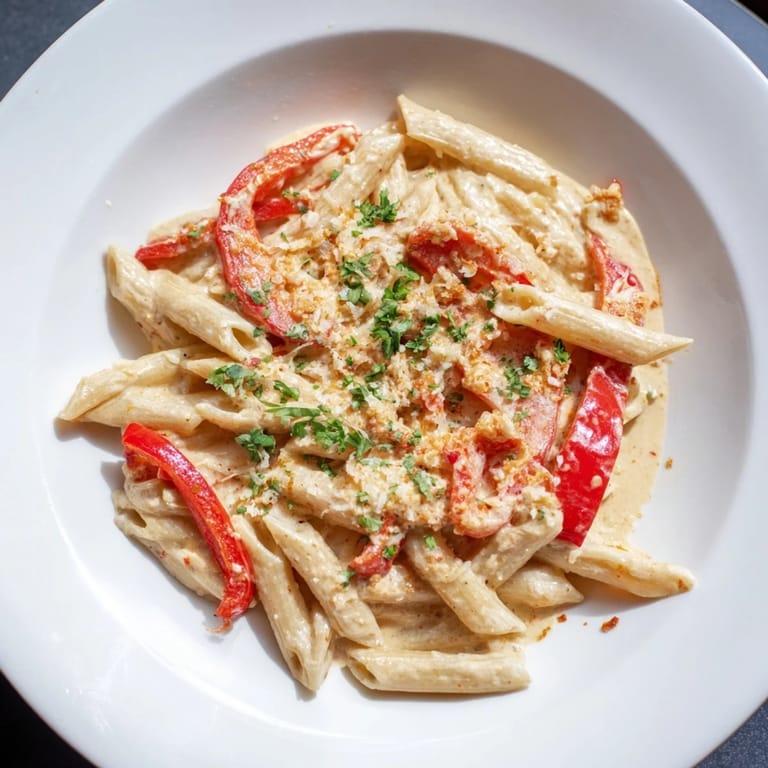
 The first time I made this for my family, my brother scraped his plate clean and then ate the leftovers cold from the fridge the next morning. He said it tasted like comfort and chaos in the best way, and I've never forgotten that description. It's the kind of dish that makes people feel cared for without you having to say much, because the food does the talking.
Making It Your Own
I've added grilled chicken sliced thin, and I've stirred in shrimp right at the end so they stayed plump and tender. Both work beautifully, but the vegetarian version holds its own because the peppers and spices carry enough flavor that you don't miss the protein. If you want it lighter, use half-and-half instead of cream, though you'll lose some of that luxurious cling. I've also swapped in gluten-free pasta for a friend, and it worked perfectly as long as I didn't overcook it.
What to Serve Alongside
This pasta is rich, so I like to balance it with something crisp and bright. A simple arugula salad with lemon juice and olive oil cuts through the creaminess, and garlic bread is never a bad idea even though it's carbs on carbs. I've served it with roasted green beans tossed in a little balsamic, and that worked too. A cold glass of Sauvignon Blanc or even a light beer makes it feel like a real dinner, not just something you threw together on a Tuesday.
Storage and Reheating
Leftovers keep in the fridge for up to three days, though the sauce thickens as it sits because the pasta absorbs it. When you reheat it, add a splash of broth or cream and warm it gently in a skillet over low heat, stirring often so it doesn't dry out. The microwave works in a pinch, but the texture won't be as smooth. I've learned that this dish is best fresh, but it's still pretty good the next day if you treat it gently.
- Store it in an airtight container to keep the flavors from fading.
- Reheat only what you'll eat because the sauce doesn't love being warmed twice.
- If it looks dry, a tablespoon of pasta water or cream will bring it back to life.
 Pin it
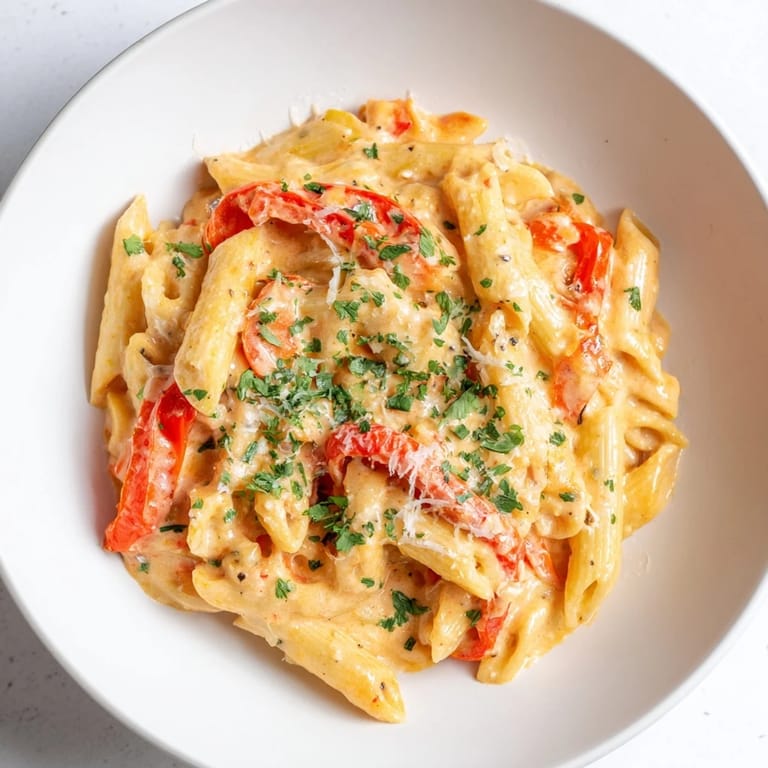
 This is the kind of recipe that makes you look like you know what you're doing, even if you're just following your instincts and tasting as you go. It's forgiving, it's fast, and it never fails to make dinner feel like an event.
Recipe FAQs
- → Can I use a different pasta shape?
Absolutely. Penne and fettuccine work best as they catch the creamy sauce well, but rigatoni, farfalle, or even spaghetti are excellent choices. Avoid very thin pastas that may break under the heavy sauce.
- → How do I adjust the spice level?
Start with 1 tablespoon of Cajun seasoning and increase to 1.5 tablespoons if you prefer more heat. You can also add a pinch of cayenne pepper or reduce to ½ tablespoon for milder palates. Taste as you cook to find your preferred balance.
- → What if my sauce is too thick or too thin?
If too thick, gradually add reserved pasta water one tablespoon at a time, stirring well between additions. If too thin, simmer longer over medium heat for 2-3 minutes to allow excess moisture to evaporate. The sauce should coat the pasta and gently cling to each strand.
- → Can I make this ahead of time?
The sauce can be prepared up to 24 hours in advance and stored in an airtight container in the refrigerator. Reheat gently over low heat, adding a splash of cream or broth if needed. Toss with freshly cooked pasta just before serving for best texture.
- → What proteins pair well with this dish?
Grilled or pan-seared chicken breast, sautéed shrimp, or crispy bacon all complement the Cajun flavors beautifully. Add 150-200g of cooked protein per serving. For vegetarian options, consider adding sautéed mushrooms, chickpeas, or crispy tofu for texture and substance.
- → Which wines pair best with this dish?
A crisp Sauvignon Blanc cuts through the richness of the cream and complements the spice perfectly. Light-bodied reds like Pinot Noir or Grenache also work well. Avoid heavy, oaky wines that can overpower the delicate Cajun flavors.