 Pin it
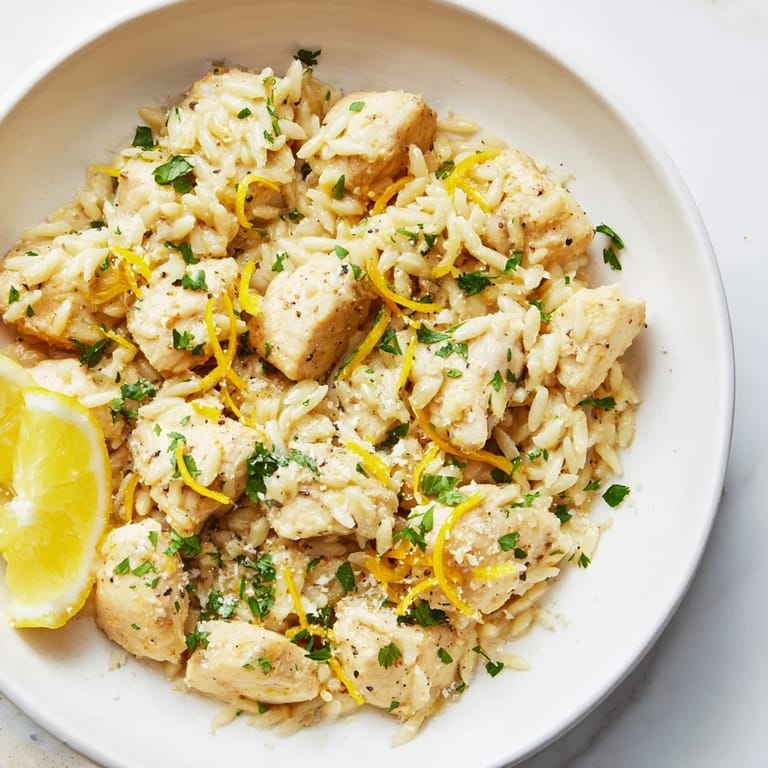
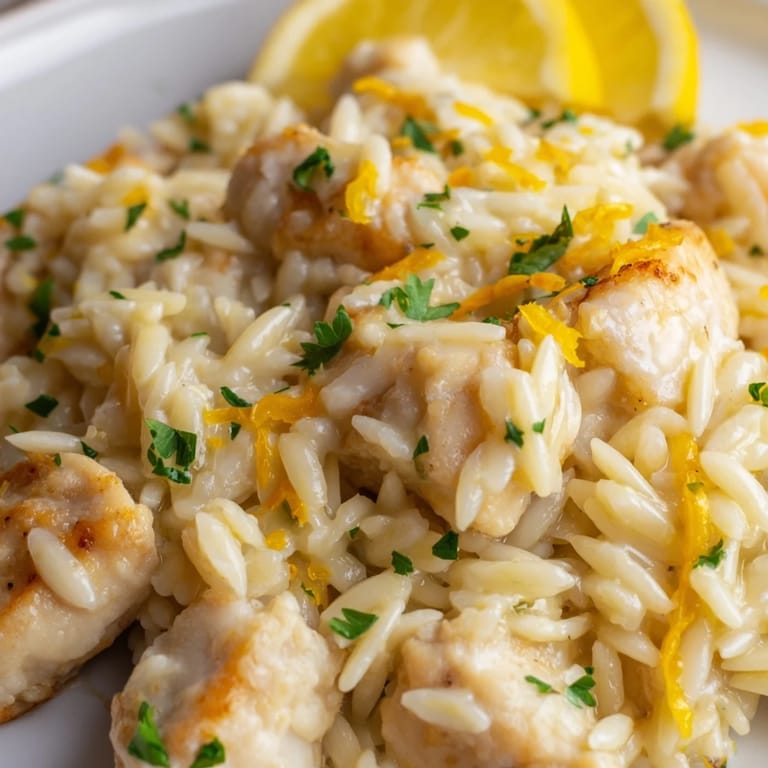
 There's something magical about the moment when cream hits hot lemon juice and doesn't break—it just turns into this luxurious, silky sauce that clings to every piece of orzo. I stumbled onto this dish on a Tuesday night when I had chicken thawing, a nearly empty pantry, and the sudden desire to make something that felt restaurant-quality without the stress. What emerged was this one-pan wonder that's become my go-to when I want something that tastes impressive but doesn't demand hours in the kitchen.
I made this for my sister on a random weeknight, and she asked for the recipe before she'd finished her first bite. That's when I knew it wasn't just good—it was the kind of dish that makes people feel cared for, even when you've only spent forty-five minutes on it. She's made it twice since then, and now it's become her emergency dinner too.
Ingredients
- Boneless, skinless chicken breasts (2 large): Cutting them into bite-sized pieces lets them cook quickly and absorb all that lemon-cream sauce instead of sitting on top of it.
- Olive oil (1 tablespoon): This is your base for getting the chicken golden and creating those flavorful browned bits that add depth.
- Unsalted butter (1 tablespoon): It mellows out once you add the aromatics and creates a richer base than oil alone.
- Yellow onion and garlic: The onion sweetens as it softens, while the garlic blooms in the butter—this is where the savory foundation begins.
- Orzo pasta (1 cup): This small rice-shaped pasta is the perfect vehicle for sauce; it holds onto every drop without being heavy.
- Low-sodium chicken broth (2 cups): Using low-sodium gives you control over the final salt level and prevents the sauce from tasting overly salty.
- Heavy cream (½ cup): This is what makes the sauce luxurious, but don't add it cold or it can seize up if your pan is too hot.
- Lemon zest and juice: The zest adds brightness without diluting the sauce like juice alone would, so use both for complexity.
- Dried thyme (½ teaspoon): This quiet herb ties everything together without announcing itself.
- Crushed red pepper flakes (¼ teaspoon, optional): Just a whisper of heat lifts the whole dish, even if you skip it.
- Parmesan cheese (½ cup) and fresh parsley: These finish the dish with a salty, herby brightness that makes it taste complete.
Tired of Takeout? 🥡
Get 10 meals you can make faster than delivery arrives. Seriously.
One email. No spam. Unsubscribe anytime.
Instructions
- Prepare and sear the chicken:
- Pat your chicken pieces dry and season them generously—this helps them brown instead of steam. Heat the oil until it shimmers, then add the chicken in a single layer and resist the urge to move it around for the first couple of minutes; you want that golden crust.
- Build the aromatic base:
- Once the chicken is golden, set it aside and drop the heat slightly. Add butter and let it foam, then add your onion and let it soften without rushing; this takes about three minutes and it's worth every second.
- Toast and flavor the orzo:
- Stir in the minced garlic right after the onion softens so it doesn't burn, then add the orzo. Let it sit for a minute or two until it looks slightly golden and smells toasted—this step is often skipped but it makes a real difference in the final flavor.
- Create the creamy sauce:
- Pour in the broth slowly while stirring to release all those brown bits stuck to the bottom of the pan; these are liquid gold. Add the cream, zest, juice, thyme, and red pepper flakes if you're using them, then bring everything to a gentle simmer.
- Bring it all together:
- Return the chicken to the pan and let it cook uncovered, stirring every few minutes so the orzo doesn't stick. You'll see the pasta gradually soften and the sauce thicken around it; this is exactly what you want.
- Finish with brightness:
- Turn off the heat, stir in the Parmesan and parsley, then taste and adjust with salt and pepper. The cheese will melt into the warm sauce and the parsley will stay fresh and green.
 Pin it
 The best part of this dish happens after everyone's finished eating and someone says, "I could eat this every week and never get tired of it." That's when you know you've created something that hits the right notes—comforting but interesting, simple but feels special.
The Science of the Sear
The golden crust on the chicken isn't just for looks; those browned bits that stick to the pan are packed with flavor compounds that make the entire dish richer. I learned this the hard way by watching chicken pieces that looked pale and sad turn into something forgettable, compared to the ones that got a proper sear. It's the difference between a dish that tastes like individual ingredients and one that tastes like they all decided to become friends.
Why One Pan Changes Everything
Cooking everything in one skillet isn't just convenient; it's actually better for the final dish. Each step builds on the last—the chicken browns and leaves behind flavor, the vegetables soften in that same golden layer, the orzo toasts in the residual oil and browned bits, and then the sauce comes together in a pan that's already full of depth. By the time you're done, every ingredient has had a chance to interact with every other ingredient, which is why this dish tastes so cohesive and why it never feels like a collection of separate things.
Variations and Flexibility
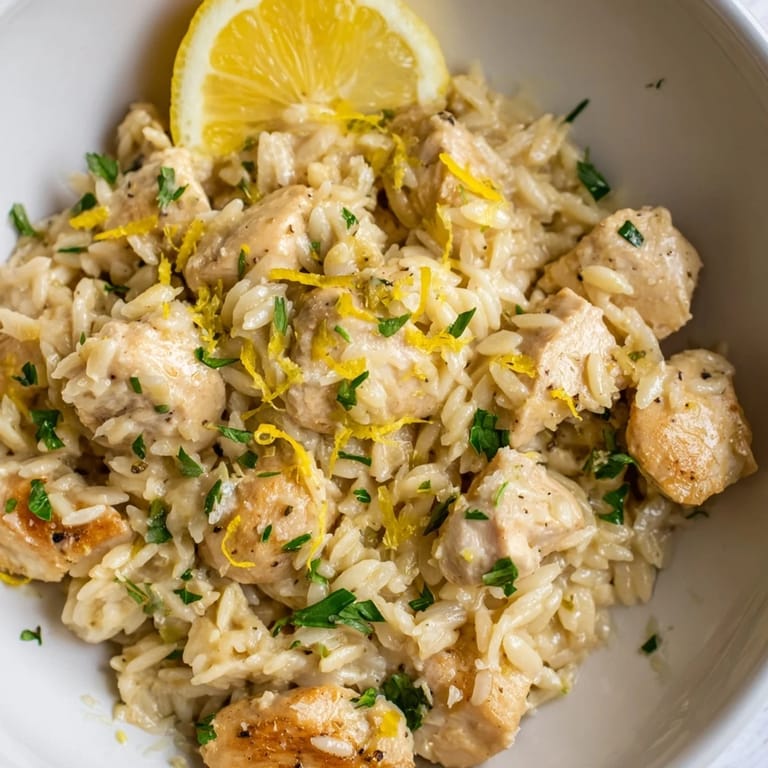
This recipe is more flexible than it might seem, which is why I keep coming back to it. On nights when I have spinach wilting in my crisper, I stir it in during the last minute and watch it turn silky green in the cream. When I want to lighten things up, swapping half the heavy cream for half-and-half works beautifully and still gives you that luxurious mouthfeel. The lemon is the skeleton of this dish—everything else can shift based on what's in your kitchen or what you're in the mood for.
- Swap heavy cream for half-and-half or milk if you want it lighter, though the sauce will be thinner.
- Add a handful of baby spinach, fresh peas, or even diced sun-dried tomatoes in the last few minutes.
- A splash of dry white wine added with the broth deepens the flavor if you have it on hand.
 Pin it
 This is the kind of recipe that becomes part of your regular rotation without you quite planning for it to. Make it once and you'll find yourself thinking about it on tired weeknights, which is exactly when you need it most.
Recipe FAQs
- → What type of chicken works best?
Boneless, skinless chicken breasts cut into bite-sized pieces cook evenly and stay tender in this dish.
- → Can I substitute orzo with another grain?
Yes, small pasta shapes like acini di pepe or even couscous can be used for similar texture and cooking times.
- → How do I achieve a creamy texture without heavy cream?
Substitute half-and-half or whole milk and allow the sauce to simmer gently until slightly thickened for a lighter creaminess.
- → What flavors complement the lemon in this dish?
Fresh thyme, garlic, and a touch of red pepper flakes enhance the brightness and add depth to the lemon flavor.
- → Can I add vegetables to make it more nutritious?
Adding baby spinach or peas in the last few minutes of cooking provides color, texture, and extra nutrients without altering the core flavors.