 Pin it
 My neighbor Ingrid taught me how to make frikadeller on a gray Copenhagen morning when I'd complained about my meatballs always turning out dense. She showed up with ground pork and a knowing smile, saying the secret was treating the mixture like it needed to breathe. We grated onion together while talking about her childhood, and watching her hands move through the process—the way she let the breadcrumbs soak in milk first, how gently she shaped each one—something clicked. These aren't just meatballs; they're the bridge between a quick weeknight dinner and something that tastes like someone cared enough to get the technique right.
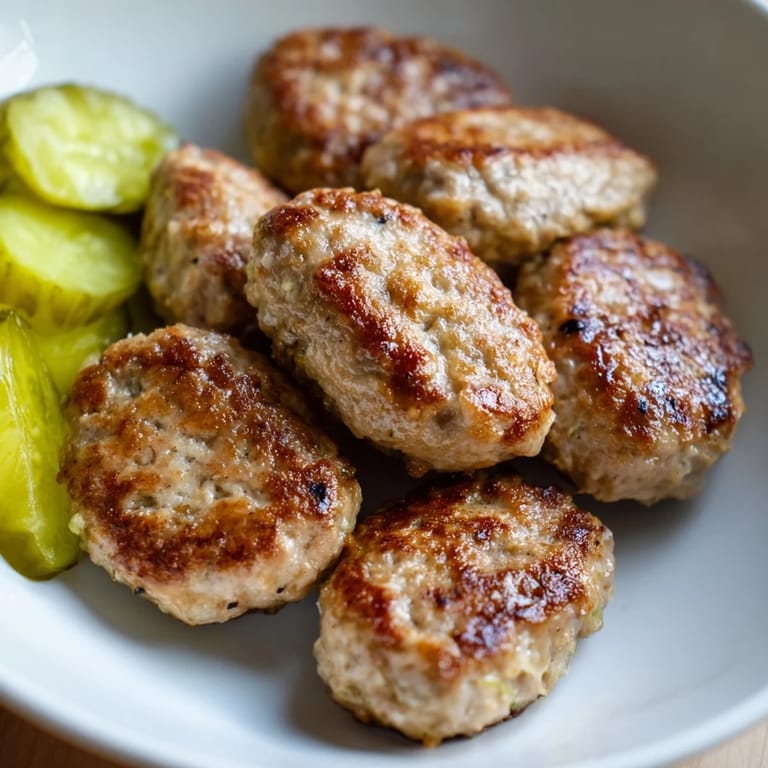
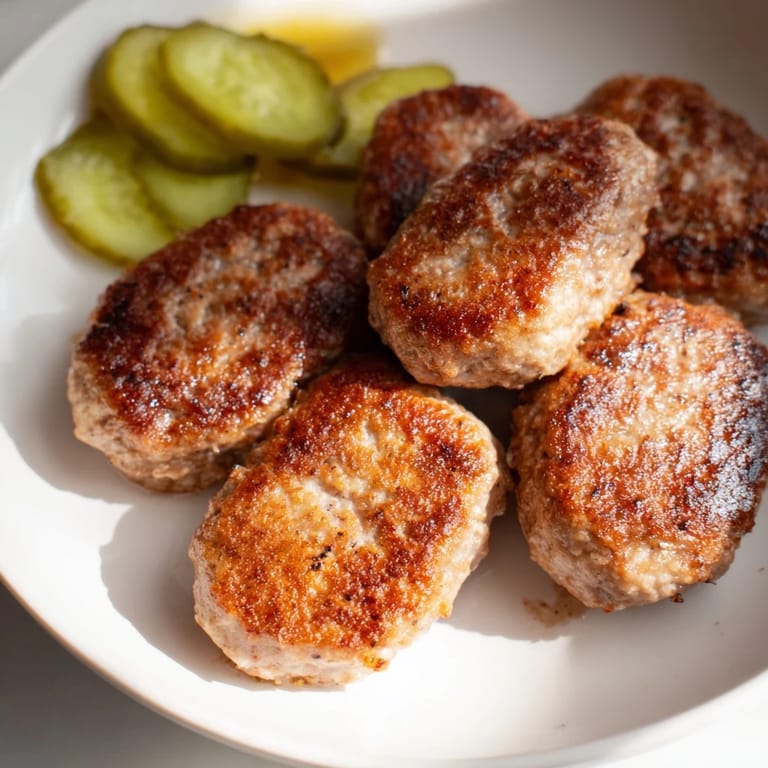
Last winter, I made these for a potluck and forgot to plate them until the last second, so I grabbed them straight from the skillet—still sizzling—and set them down with the pickles. Everyone dove in immediately, and I realized it was the heat and the sound of that butter and oil crackling that made people want them. Serving them hot matters more than I'd ever given it credit for.
Ingredients
- Ground pork: A mix of pork and veal gives an even lighter texture if you can find veal, but straight pork works beautifully and is easier to source.
- Grated onion: Grating instead of mincing releases the onion's juice into the mixture, binding everything together without extra moisture.
- Egg: Just one holds everything together without making the meatballs dense or eggy-tasting.
- Whole milk: The breadcrumbs soak this up and keep the inside incredibly tender even after the outside is golden.
- Breadcrumbs: Look for panko or fine white breadcrumbs; the texture matters more than you'd think.
- Salt, pepper, allspice: Allspice is the Danish touch—it adds warmth without being obvious, but you can leave it out and still have a winner.
- Butter and oil: The combination of butter for flavor and oil for stability keeps the meatballs from burning while the pan gets hot enough for a proper crust.
Tired of Takeout? 🥡
Get 10 meals you can make faster than delivery arrives. Seriously.
One email. No spam. Unsubscribe anytime.
Instructions
- Make the mixture:
- Combine the ground pork, grated onion, egg, milk, breadcrumbs, salt, pepper, and allspice in a large bowl. Mix with your hands until the texture is cohesive and slightly sticky—you're looking for everything to hold together when you squeeze it, not a paste.
- Let it rest:
- Walk away for 10 minutes and let the breadcrumbs absorb the milk. This makes a huge difference in how tender the meatballs turn out once they're cooked.
- Shape and wet your hands:
- Wet your hands with cold water to prevent sticking, then shape the mixture into 12–14 ovals or rounds about the size of a golf ball. The moisture on your hands becomes your friend here.
- Heat the pan:
- Warm butter and oil together over medium heat until the butter foams and the oil shimmers. You want the pan hot enough that the meatballs sizzle when they hit, but not so hot they burn before the inside cooks.
- Fry with flattening:
- Fry the meatballs in batches—don't crowd the pan—and flatten each one slightly with a spatula about a minute in. This creates golden, crispy edges while keeping the center juicy. Fry 4–5 minutes per side until the outside is deep golden brown and a quick poke with your finger shows no resistance.
- Rest and serve:
- Transfer them to a paper towel-lined plate to drain just a moment, then serve hot with pickles and bread or potatoes while they're still steaming.
 Pin it
 My daughter asked why these were called frikadeller and not just 'dad's meatballs,' and when I tried to explain it was a Danish thing, she said they tasted like 'crispy on the outside, soft in the middle, and perfect.' That's exactly right, and it's worth remembering that sometimes the best compliments aren't about technique or history—they're about how the food makes you feel in the moment.
The Danish Pickle Factor
The pickles aren't an afterthought here—they're essential. The sharp, briny acidity cuts through the richness of the pork and butter in a way that makes every bite feel complete. I've learned to serve them cold straight from the jar, and the temperature contrast with the hot meatballs is part of the magic. If you can't find traditional Danish pickled cucumber or beetroot, a good crisp dill pickle works just fine.
Sides That Work
Rye bread is the traditional pairing, torn into pieces and used almost like edible napkins to catch the juices. Boiled potatoes dressed with butter and fresh dill are wonderful too, though I've also served these on their own as an appetizer or over a simple green salad when I wanted something lighter. The meatballs are forgiving enough to work with almost anything, as long as the pickles are in reach.
Make Ahead and Storage
These reheat beautifully, so you can make them a few hours ahead and warm them gently in a low oven before serving. I've also frozen them before frying—just thaw them at room temperature for 30 minutes before cooking, and they come out nearly as good as fresh.
- Store leftovers in an airtight container in the fridge for up to three days.
- Reheat gently in a 300°F oven for 10 minutes to bring back the crispy edges.
- If you're making a double batch, fry them in stages rather than all at once so the pan temperature stays steady.
 Pin it
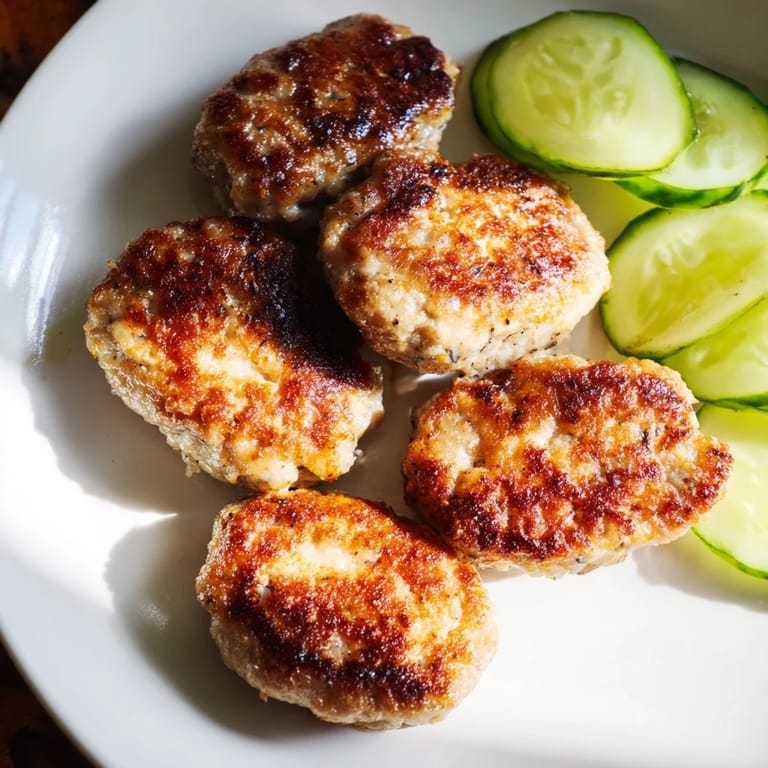
 Frikadeller remind me that some of the most satisfying meals come from understanding the small details—the right ratio of breadcrumb to liquid, the moment to flatten them in the pan, the importance of heat. Once you've made these a couple of times, you'll find yourself making them whenever you want something that feels both easy and special.
Recipe FAQs
- → What type of meat is best for authentic frikadeller?
Traditionally, ground pork is used, sometimes mixed with veal for a lighter texture, providing a juicy and tender bite.
- → How do I achieve the perfect golden crust when frying?
Heat butter and neutral oil over medium heat and fry the meatballs flattened slightly, cooking 4–5 minutes each side for a golden crust.
- → Why should the mixture rest before shaping meatballs?
Resting allows breadcrumbs to absorb liquids, ensuring a cohesive texture that holds well during cooking.
- → What accompaniments complement these Danish meatballs?
Serve with tangy pickles, rye bread, or boiled potatoes to enhance the savory and acidic balance on the plate.
- → Can allspice be omitted without affecting the dish?
Yes, allspice adds traditional warmth but is optional and can be left out without losing the core flavor.