 Pin it
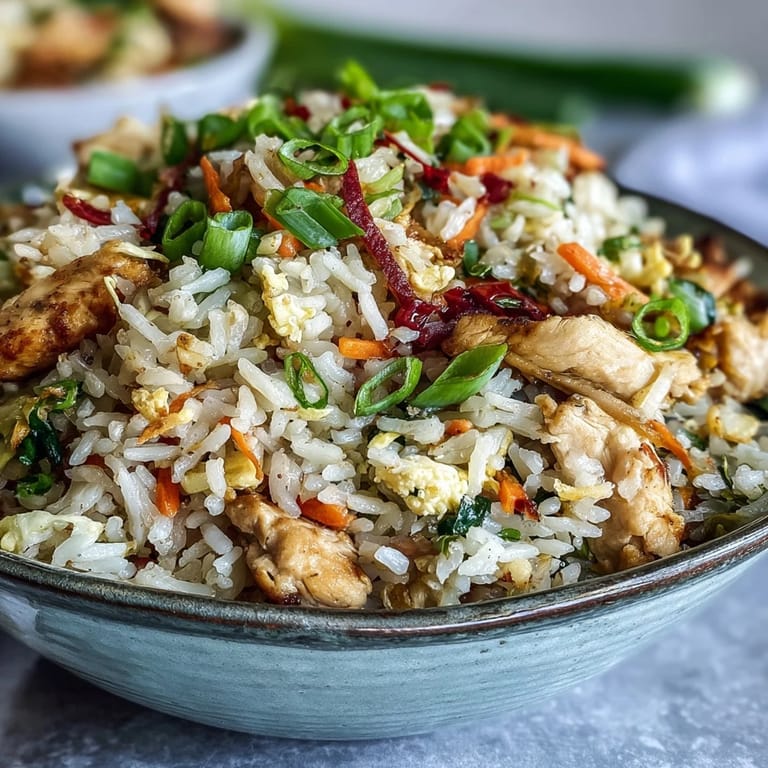
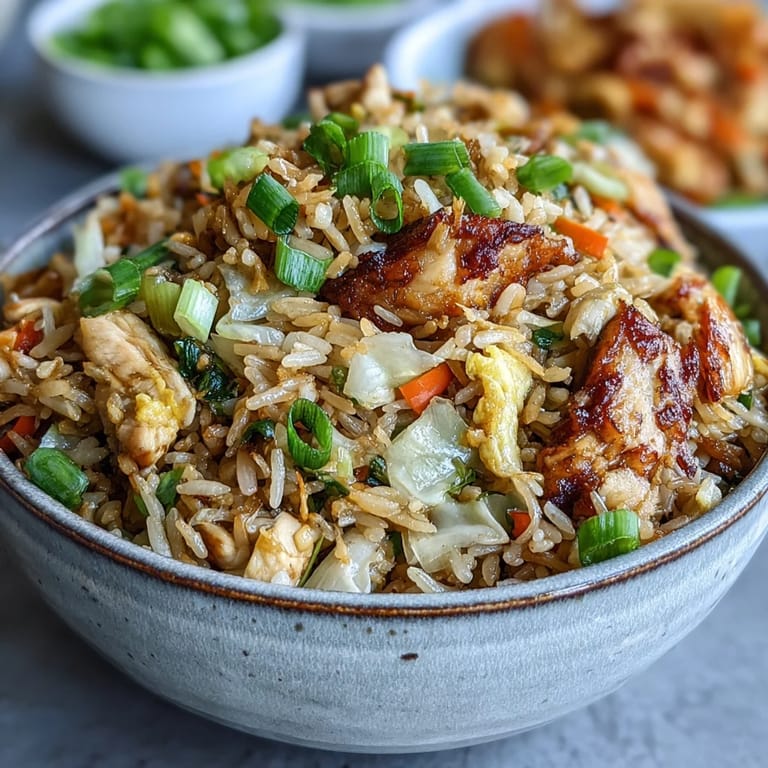
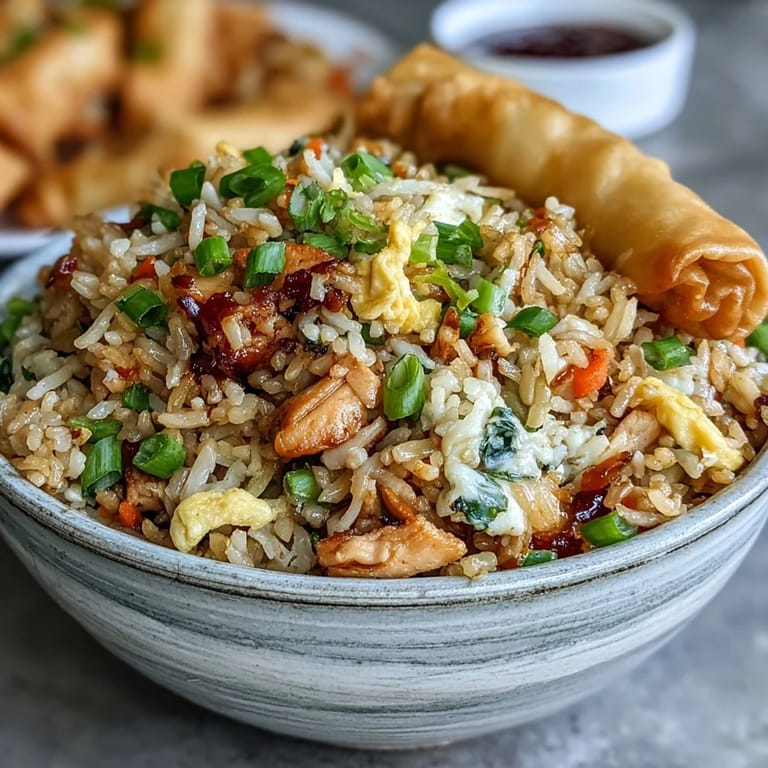
 There's something about the smell of garlic hitting hot oil that signals the start of something good, and that's exactly what happens when you make this egg roll fried rice. My neighbor brought over a takeout container one Tuesday night, and I couldn't stop thinking about how she'd somehow captured that crispy-meets-tender magic in a single bowl. So I reverse-engineered it in my kitchen, and what emerged was this fusion dish that tastes like a restaurant secret but takes barely half an hour from start to finish.
I made this for my teenage niece on a Saturday afternoon when she claimed she was "too picky" for fried rice, and watching her go back for seconds while scrolling through her phone told me everything I needed to know. She even asked for the recipe, which felt like winning some kind of aunt lottery.
Ingredients
- Cooked chicken breast, shredded or diced (2 cups): Using pre-cooked or rotisserie chicken saves time and keeps the dish moist, but don't skip the step of letting it cool slightly before adding so it doesn't steam everything.
- Large eggs (2): These scramble directly into the rice and give it a silky texture that makes it feel more luxurious than it has any right to be.
- Green cabbage, thinly sliced (2 cups): Cabbage is the backbone of egg roll filling, and thinly slicing it ensures it softens while keeping a slight chew that contrasts with the rice.
- Carrots, julienned or shredded (1 cup): Fresh carrots add sweetness and that signature crunch that makes you keep taking another bite.
- Green onions, sliced (1/2 cup plus extra for garnish): Most go into the rice, but reserve some for finishing because that fresh bite at the end changes everything.
- Bean sprouts (1/2 cup, optional): They add a delicate crunch and that authentic egg roll flavor note that makes people ask what your secret ingredient is.
- Chilled cooked jasmine or long-grain rice (3 cups): Cold rice is essential because warm or fresh-cooked rice becomes mushy when stir-fried, so make this a day ahead if you can.
- Garlic, minced (3 cloves): The foundation of flavor that blooms instantly when it hits the hot oil, filling your kitchen with that unmistakable aroma.
- Fresh ginger, minced (1 tablespoon): Just a small amount adds warmth and prevents the dish from tasting one-dimensional, and it's worth mincing fresh rather than using paste.
- Low-sodium soy sauce (3 tablespoons): This is your seasoning workhorse, so taste as you go since soy saltiness varies by brand.
- Oyster sauce (1 tablespoon, optional): It adds umami depth that makes people lean in closer to their bowls, though you can skip it for vegetarian versions or if shellfish allergies are a concern.
- Toasted sesame oil (1 teaspoon): A small drizzle goes a long way, and toasted is non-negotiable because it has that rich, nutty flavor that regular sesame oil lacks.
- White pepper (1/4 teaspoon): White pepper has a slightly sharper bite than black and doesn't leave visible specks, making the dish look cleaner and taste brighter.
- Vegetable oil (2 tablespoons): Split between the initial cooking and scrambling the eggs, this keeps everything moving without burning.
Tired of Takeout? 🥡
Get 10 meals you can make faster than delivery arrives. Seriously.
One email. No spam. Unsubscribe anytime.
Instructions
- Get your mise en place ready:
- Before anything touches heat, have all your ingredients prepped and within arm's reach because stir-frying moves fast and there's no time to slice carrots mid-cook.
- Build the flavor base:
- Heat 1 tablespoon oil until it shimmers, then add garlic and ginger and stir for just 30 seconds until the kitchen fills with that unmistakable fragrance. That's your signal that the heat is right and you're ready for vegetables.
- Soften the vegetables:
- Toss in cabbage and carrots and keep the motion constant for 3 to 4 minutes, listening for that slight sizzle that tells you they're caramelizing at the edges while staying crisp inside. You want them yielding but not limp.
- Scramble the eggs:
- Push vegetables to the side, add your remaining oil, pour in beaten eggs, and scramble them until they form soft curds. This takes about a minute, and then fold everything together so the egg threads throughout.
- Warm the chicken and sprouts:
- Add shredded chicken and bean sprouts if using, stirring for 1 to 2 minutes just until heated through and distributed evenly. You're not cooking the chicken here, just warming it and getting it to know the other ingredients.
- Incorporate the rice:
- Add your chilled rice in chunks and break it up as you stir for 2 to 3 minutes, making sure every grain gets coated and warmed through. The rice should separate and glisten, not clump.
- Season and marry the flavors:
- Drizzle soy sauce, oyster sauce if using, and sesame oil over everything while stirring constantly, then season with white pepper. Taste a bite and adjust because this is your moment to make it perfectly balanced for your palate.
- Finish with freshness:
- Toss in most of the green onions, reserving a handful for the top, and stir for just a few seconds so they stay bright and alive rather than wilting into the warm rice.
- Serve with intention:
- Divide into bowls and scatter the reserved green onions on top, where they catch the light and add that final crunchy, fresh contrast that makes the whole dish sing.
 Pin it
  Pin it
 I made a double batch for a dinner party last spring, and my friend who claims she "doesn't like cabbage" asked for the recipe before dessert was even served. That's when I realized this dish has some kind of quiet power to it, turning vegetables that people overlook into something they genuinely crave.
The Egg Roll Connection
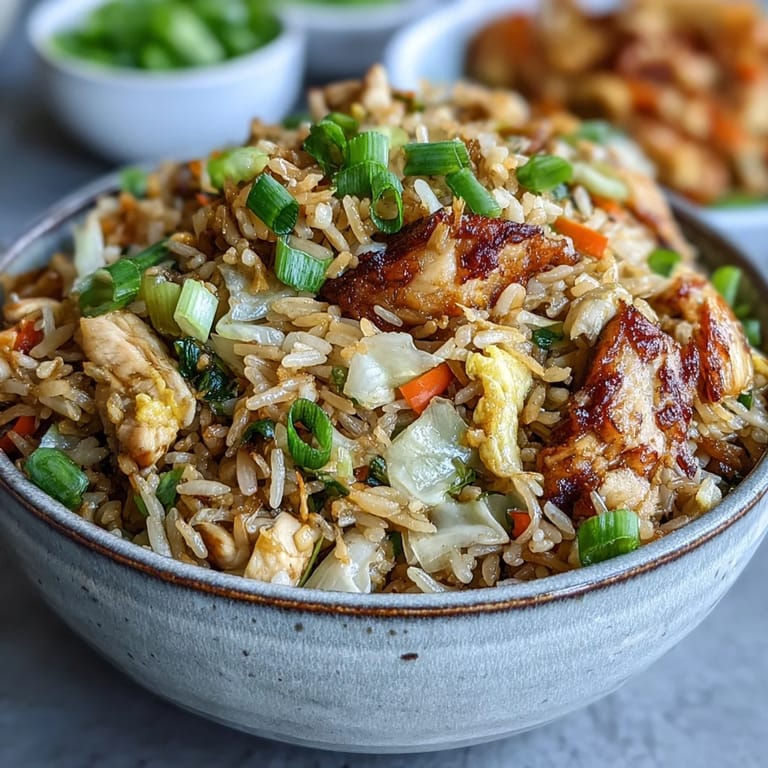
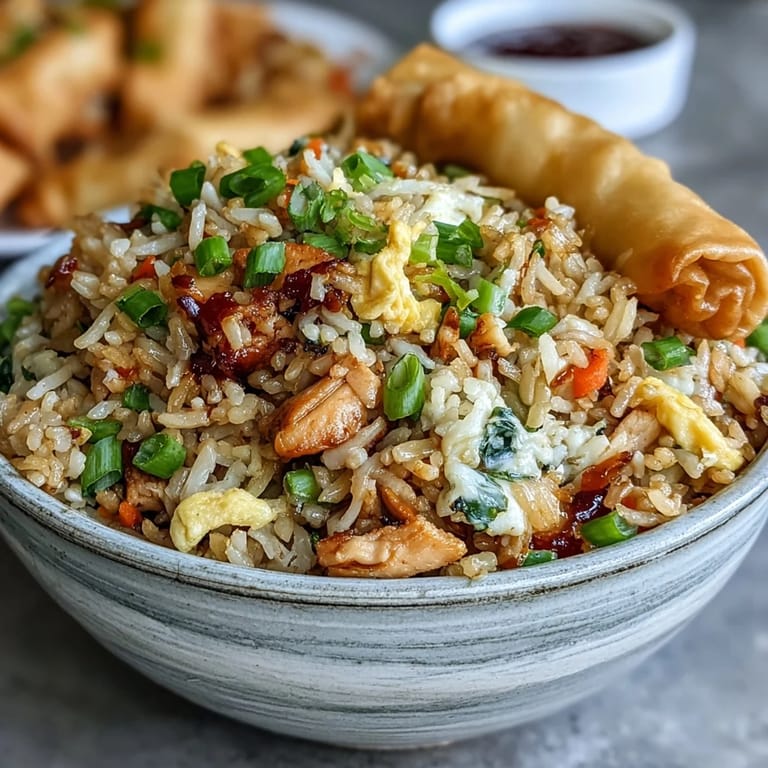
This recipe is essentially an egg roll deconstructed and tossed with rice, which means you get all those flavors and textures in a format that's faster to make and easier to eat at the dinner table. The cabbage, carrots, and ginger are the trio that makes egg rolls special, and when they're stir-fried with rice and chicken, they create something that tastes like a celebration but feels completely effortless to pull together.
Making It Your Own
The beauty of this dish is that it's endlessly adaptable without losing its soul, whether you're working with what's in your fridge or accommodating dietary preferences. My coworker made it vegetarian by swapping the chicken for extra-firm tofu that she pressed and pan-fried until golden, and it was honestly better than my original version because the tofu absorbed the seasoning more deeply than the chicken does.
Timing and Temperature
The entire cooking process takes about 15 to 20 minutes once you start, which makes this perfect for weeknights when you want something impressive without the stress of managing multiple pots and pans. Having everything prepped and laid out means you can focus on heat control and the subtle shifts in texture and aroma that happen as you go, turning cooking into something meditative rather than hectic.
- Keep your heat at medium-high the entire time so vegetables caramelize without burning and rice gets warm without sticking.
- If you're adding water chestnuts or snap peas for extra crunch, add them at the same time as the carrots so they cook just enough to soften slightly while keeping their snap.
- Make this a day ahead by preparing everything up to the point of cooking, then stir-fry it fresh when you're ready to eat so you capture that hot-off-the-pan taste that makes it special.
 Pin it
  Pin it
 This dish has become my go-to when I want to feel like I've accomplished something in the kitchen without actually working very hard, and that's a feeling worth holding onto. Every time I make it, I'm reminded that the best meals are the ones that taste like celebration but come together as naturally as conversation.
Recipe FAQs
- → What makes this different from regular fried rice?
This dish incorporates classic egg roll ingredients like shredded cabbage, julienned carrots, and bean sprouts directly into the fried rice. The flavor profile mimics the savory filling of traditional egg rolls while offering the satisfying texture of wok-tossed rice with crispy edges.
- → Why must the rice be chilled before cooking?
Cilled rice prevents clumping and ensures each grain separates properly during stir-frying. Freshly cooked rice contains too much moisture, leading to mushy results. Using day-old rice that's been refrigerated overnight creates those sought-after crispy, toasted edges that make restaurant-quality fried rice.
- → Can I make this vegetarian?
Absolutely. Simply omit the shredded chicken and substitute with extra-firm tofu, cubed and pan-fried until golden before adding to the vegetables. You can also increase the quantity of bean sprouts and add diced bell peppers or snap peas for additional substance and texture.
- → What protein works best besides chicken?
Pork loin or ground pork are excellent alternatives that align with traditional egg roll flavors. Shrimp also works beautifully, cooking quickly and absorbing the savory sauces. For a plant-based option, try crumbled tempeh or seared edamame for protein and nutty flavor.
- → How do I prevent the eggs from overcooking?
Push all vegetables to one side of the wok before adding beaten eggs to the cleared space. Scramble quickly over medium-high heat until just set, then immediately combine with the vegetables. This technique keeps the eggs tender and fluffy rather than rubbery or dry.
- → Can I freeze leftovers?
While possible, frozen rice often becomes mushy upon reheating due to moisture loss during freezing. For best results, store in airtight containers in the refrigerator for up to 4 days. Reheat in a skillet over medium heat with a splash of water to restore texture and freshness.