 Pin it
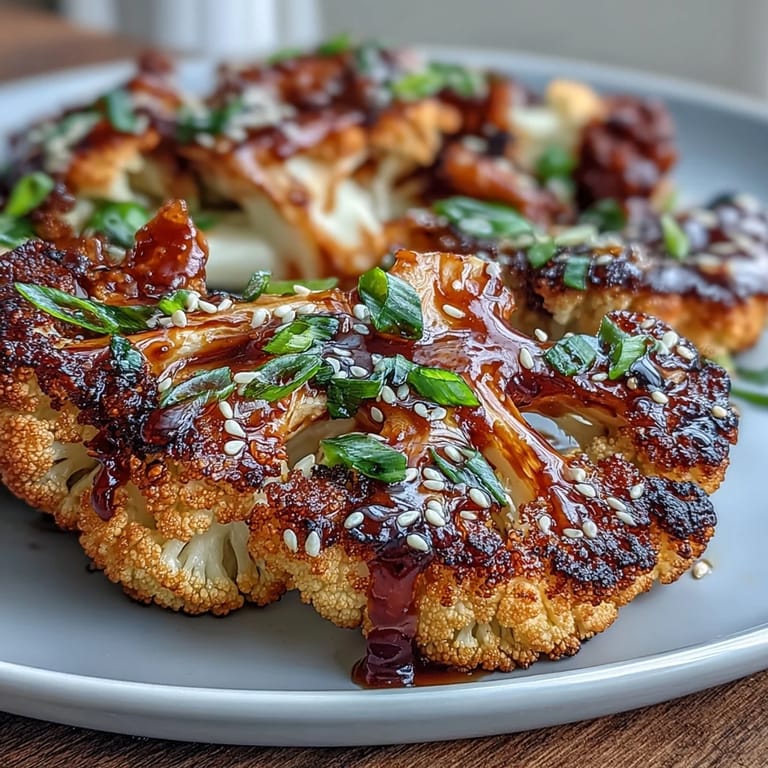
 You can always tell dinner is going to be interesting when the sizzle of cauliflower in the oven outshines the television in the next room. My first attempt at teriyaki cauliflower steaks happened on a whim, mostly out of a craving for something hearty and saucy, but without any meat involved. The combination of roasting cauliflower to golden perfection and brushing it with a homemade teriyaki sauce was enough to make my kitchen feel like the scene of a gentle experiment. With the aroma of ginger and garlic floating around, it quickly became one of those signature meals that makes weeknights feel just a bit more celebratory.
I remember making these for a small dinner when a friend (whose polite skepticism towards vegetarian mains is legendary) showed up hungry—seeing his fork travel back for a third helping, unprompted, is still one of my proudest cooking moments. The chatter paused for just a second after the first bite, then everyone started trading their own ‘hidden veggie’ tricks across the table. If anything, it turned what could have been an ordinary midweek meal into a lively, shared kitchen adventure.
Ingredients
- Cauliflower: Use the largest, heaviest heads you can find—they yield the best ‘steaks’ with fewer gaps or broken florets.
- Olive oil: A light brush ensures crisp edges and prevents sticking; I’ve tried skipping, but the flavor suffers.
- Salt and black pepper: Don’t go shy with seasoning—simple as it is, it brings cauliflower’s flavor alive.
- Soy sauce: The base of all good teriyakis; low-sodium is great if you want to adjust salt later.
- Maple syrup or honey: Either delivers that signature teriyaki sweetness—maple gives a deeper note, while honey is more floral.
- Rice vinegar: Add this for bright acidity that keeps the sauce from being cloying.
- Toasted sesame oil: Truly the secret weapon—just a bit adds warmth and depth to the glaze.
- Cornstarch and water: This duo is for thickening the sauce; resist doubling it or you’ll end up with jelly.
- Garlic and ginger: Freshly minced and grated are best; powders won’t deliver the same punch.
- Toasted sesame seeds and scallions: Essential for color and crunch at the end, and that quick sprinkle elevates the whole plate.
Tired of Takeout? 🥡
Get 10 meals you can make faster than delivery arrives. Seriously.
One email. No spam. Unsubscribe anytime.
Instructions
- Prep the oven and sheet:
- Set the oven to 425°F (220°C) and line your baking sheet—parchment keeps cleanup so easy.
- Slice cauliflower into steaks:
- Carefully trim just enough stem to flatten the base, then cut each head into thick slices—an impossibly satisfying crunch under the knife.
- Season and arrange:
- Lay the ‘steaks’ on the sheet, brushing both sides generously with olive oil and seasoning all over.
- Roast to golden:
- Let them roast for 20 minutes, carefully flip, then roast another 10—listen for that gentle crackle as the edges brown.
- Mix the teriyaki sauce:
- While the cauliflower cooks, combine soy sauce, syrup or honey, vinegar, sesame oil, garlic, and ginger in a small saucepan and bring just to a simmer—the smell alone will have you hovering over the stove.
- Thicken the sauce:
- Mix the cornstarch and water first, then pour in slowly, stirring constantly, to watch the sauce go glossy and thick within a minute.
- Glaze and caramelize:
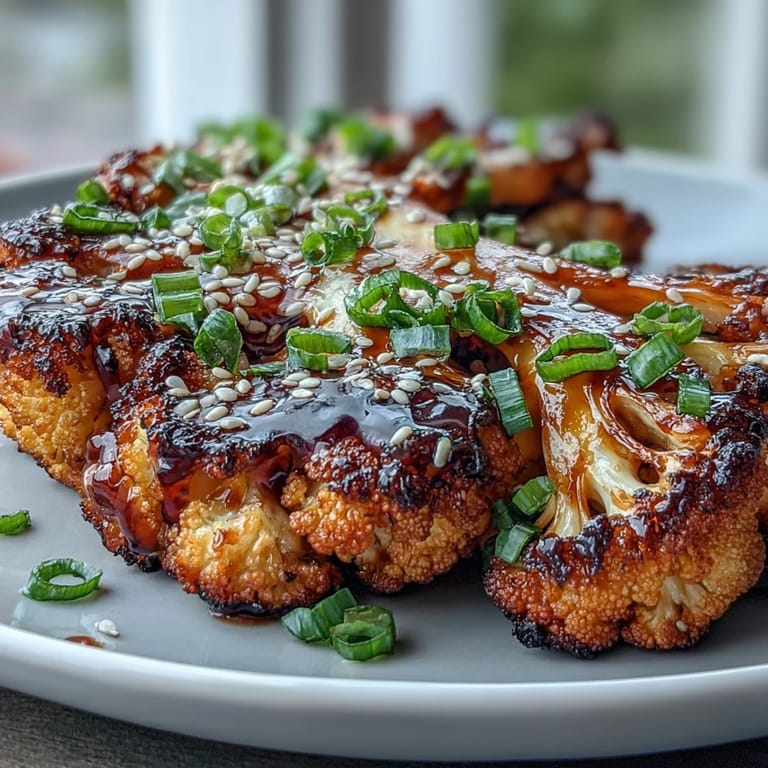
- Brush the roasted steaks with the sauce and pop them back into the oven for a few minutes—don’t turn away, the sugars caramelize quickly and smell wonderful.
- Garnish and serve:
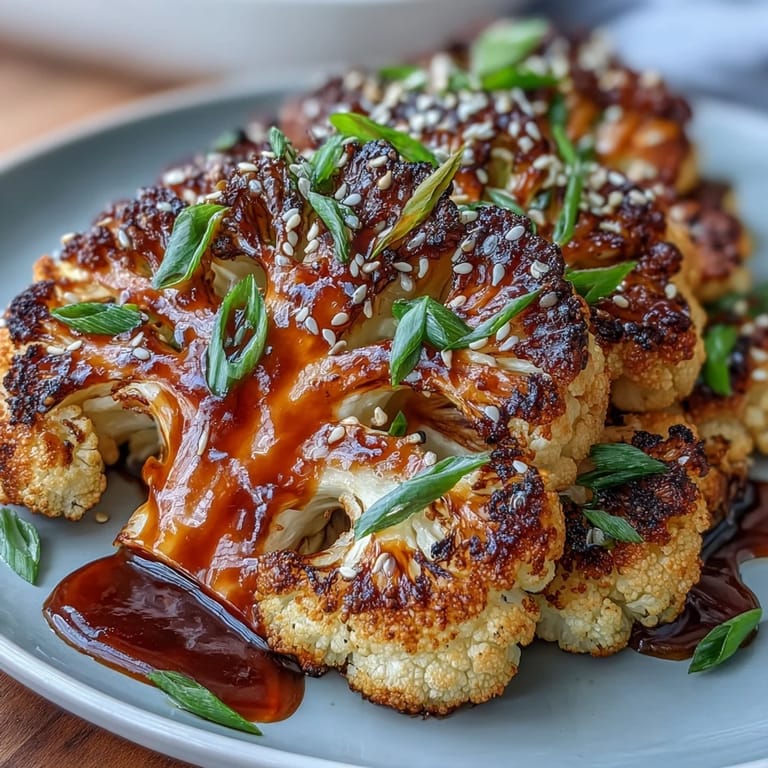
- Finish with an extra sauce drizzle, scattering sesame seeds and scallions to garnish. Serve immediately, while the glaze is at its stickiest and best.
 Pin it
 Somewhere between flipping the steaks and sneaking spoonfuls of sauce for taste-testing, I realized how this meal turned into more than a recipe—it became an invitation to play and adapt. No one at my table eats exactly the same way, and yet there’s always a scramble for the last sticky slice when these are served.
How to Roast Cauliflower Steaks Perfectly
I’ve learned to keep the knife upright and firm while cutting, letting the core hold everything together—otherwise, you’ll end with cauli crumbles. Roasting on the highest rack gives extra crispness, and I never skip the parchment for easy steak removal. If your oven has hot spots, swap the tray’s direction halfway through, and don’t be afraid of deep golden edges—that’s where the best flavor hides.
Easy Teriyaki Glaze, No Mess
The best part about homemade teriyaki is how fast it comes together—just a small pan, a quick whisk, and the sauce is ready before the cauliflower’s done. When I first tried store-bought teriyaki, it was too salty or sticky, but this one lets you balance sweetness and tang to your liking. A last minute tip: don’t walk away while thickening, or you’ll risk a lumpy batch and a sticky pan scrape afterward.
Serving Suggestions: Simple but Satisfying
There was a time I tried to turn this dish into a complicated feast, but honestly, it shines brightest with just some fluffy rice or stir-fried greens alongside. Even cold leftovers the next day taste surprisingly bright, especially with a tiny extra drizzle of sauce. Sprinkle those scallions on at the very end so they stay crisp and fresh.
- Scoop leftover sauce over steamed broccoli or tofu.
- Add a dash of chili flakes if you want gentle heat.
- Let the steaks rest two minutes before serving so the glaze sets nicely.
 Pin it
 This teriyaki cauliflower is proof that a plant-based dinner can be bold and satisfying. I hope it brings a little unexpected delight to your next meal, just like it did for me.
Recipe FAQs
- → How thick should I slice the cauliflower steaks?
Slice about 1 inch thick so the steaks hold together while roasting; thinner slices can fall apart and thicker ones take much longer to cook through.
- → Can I make the teriyaki glaze ahead of time?
Yes. Prepare the glaze and chill in an airtight container up to 3 days; warm gently before brushing to restore pourable consistency and rewhisk the cornstarch if it settles.
- → How do I get a good caramelized finish?
Brush the steaks generously with the thickened glaze and return them to a hot oven for 2–3 minutes, or broil very briefly while watching closely to avoid burning.
- → What can I use instead of soy sauce for gluten-free needs?
Swap soy sauce for tamari or a gluten-free soy alternative; taste and adjust the sweet and salty balance if the substitute is less salty.
- → Can these be cooked on the grill instead?
Yes. Grill over medium-high heat after brushing with oil, flipping once until tender; apply glaze near the end and char briefly to caramelize.
- → Any tips for serving and pairings?
Serve with steamed rice or oven-roasted vegetables for a complete plate. Sprinkle toasted sesame seeds and sliced scallions just before serving for texture and brightness.