 Pin it
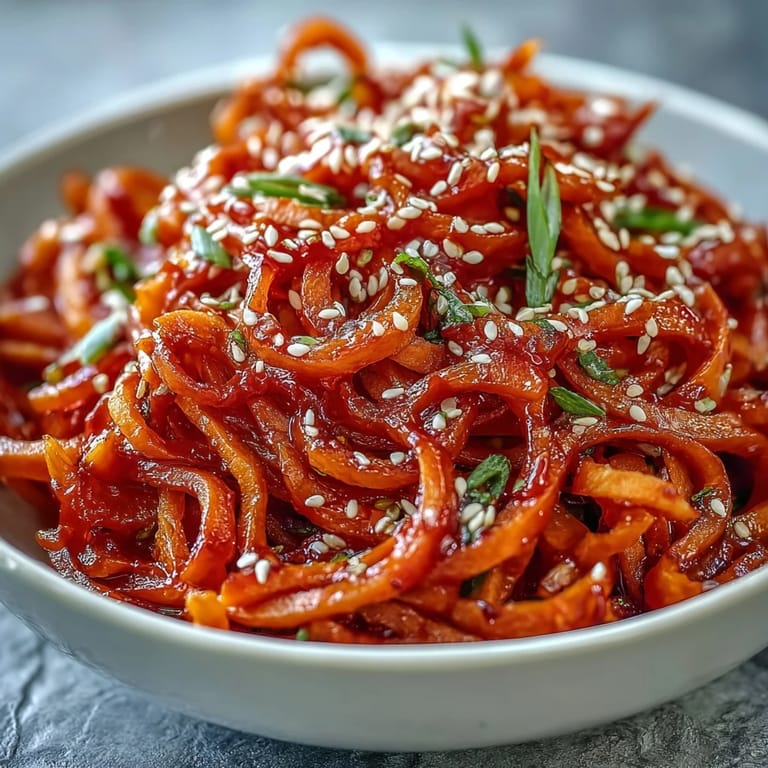
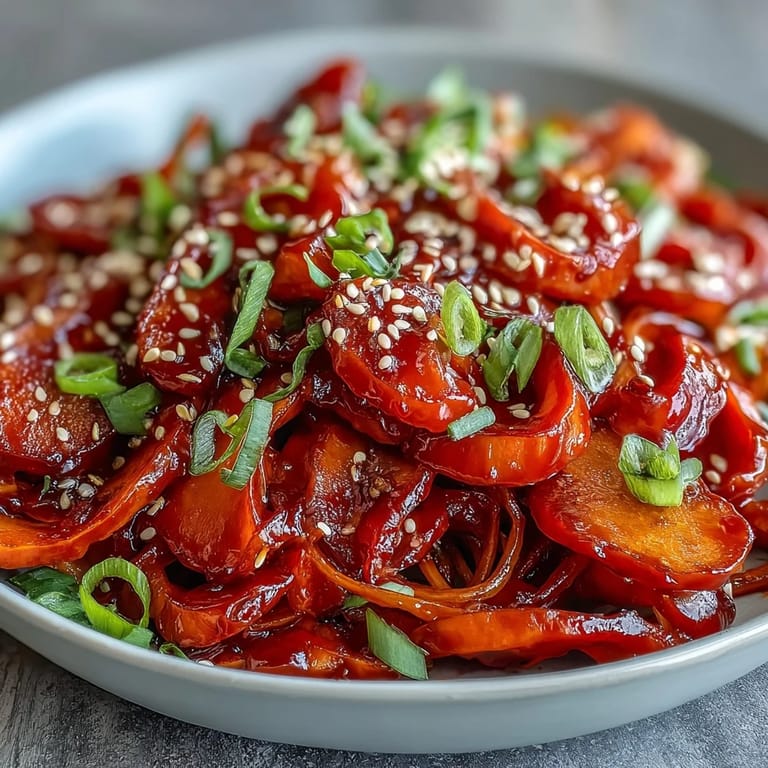
 I picked up a swede at the farmers market one chilly Saturday morning without a clear plan, just a hunch that I could do something interesting with it. Later that afternoon, while flipping through an old notebook of recipe ideas, I stumbled on a scribbled note about gochujang and root vegetables. Within an hour, my kitchen smelled like caramelized sweetness and toasted sesame, and I was twirling ribbons of roasted swede through spicy, glossy noodles. It felt like stumbling onto something that shouldnt work but absolutely does.
The first time I made this for friends, I was nervous theyd be skeptical about swede noodles. But watching them go back for seconds, scraping their bowls clean and asking for the recipe, I realized this dish has a quiet magic. One friend said it tasted like the best parts of a Korean noodle bar mixed with a cozy autumn dinner. That night, it became one of those recipes I pull out when I want to surprise people without spending all day in the kitchen.
Ingredients
- Swede (rutabaga): The star here, it roasts into sweet, caramelized ribbons that soak up the dressing beautifully and add a hearty bite.
- Rice noodles: Their silky, neutral texture is the perfect backdrop for the bold gochujang sauce and lets the swede shine.
- Gochujang: This Korean chili paste brings sweet heat and deep umami, and a little goes a long way in creating that addictive glaze.
- Maple syrup: Balances the heat and saltiness with a mellow sweetness that rounds out the dressing without being cloying.
- Toasted sesame oil: Adds a nutty, aromatic depth that makes everything taste more complex and finished.
- Spring onions: Their sharp freshness cuts through the richness and adds a pop of color and crunch.
- Sesame seeds: Toasting them releases their oils and gives a subtle crunch and nuttiness that ties the whole dish together.
Tired of Takeout? 🥡
Get 10 meals you can make faster than delivery arrives. Seriously.
One email. No spam. Unsubscribe anytime.
Instructions
- Roast the swede ribbons:
- Preheat your oven to 220°C (425°F) and toss the swede ribbons with oil, salt, and pepper until theyre lightly coated. Spread them in a single layer on a baking sheet and roast for 25 to 30 minutes, flipping halfway, until theyre golden at the edges and tender enough to pierce easily with a fork.
- Cook the noodles:
- While the swede roasts, cook the rice noodles according to the package directions, usually just a few minutes in boiling water. Drain them, rinse under cold water to stop the cooking, and set them aside so they dont clump.
- Make the gochujang dressing:
- In a bowl, whisk together the gochujang, soy sauce, maple syrup, rice vinegar, sesame oil, garlic, ginger, chili flakes, and water until smooth and pourable. Taste it and adjust the sweetness or heat to your liking.
- Toss everything together:
- In a large mixing bowl, combine the roasted swede, cooked noodles, spring onions, carrot, and bean sprouts if using. Pour the dressing over everything and toss gently but thoroughly until every strand and ribbon is coated in that glossy, spicy sauce.
- Garnish and serve:
- Transfer to bowls and sprinkle generously with toasted sesame seeds and fresh cilantro. Serve immediately while the swede is still warm and the flavors are bright.
 Pin it
 One evening, I made this after a long week when I was too tired to think but still wanted something that felt special. The act of peeling and slicing the swede was oddly meditative, and by the time I sat down with a steaming bowl, I felt like Id given myself a small gift. Its funny how a dish this simple can feel like both comfort and celebration at once.
Choosing and Preparing Your Swede
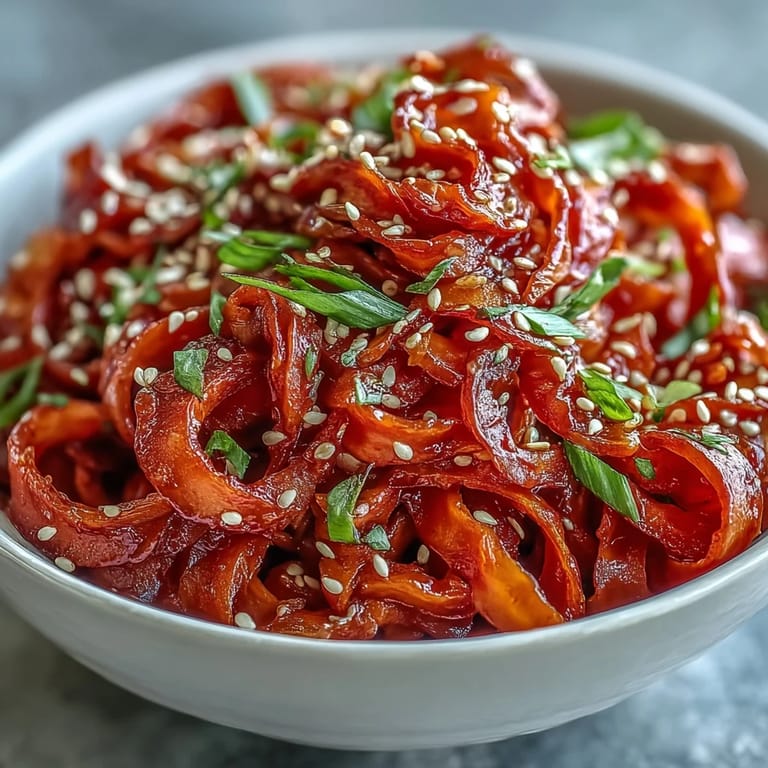
Look for a firm, heavy swede without soft spots or cracks, and dont be intimidated by its waxy skin. I use a sharp vegetable peeler to remove the thick outer layer, then a mandoline or a steady hand with a knife to cut it into thin ribbons. The thinner you slice them, the more they crisp up in the oven and the better they absorb the dressing, so take your time with this step.
Adjusting the Heat Level
Gochujang has a moderate, pleasant heat, but if youre sensitive to spice, start with two tablespoons and work your way up. You can also skip the chili flakes or add a bit more maple syrup to mellow things out. On the other hand, if you love heat, a drizzle of chili oil or a few slices of fresh red chili on top will take it to the next level without overwhelming the other flavors.
Storing and Reheating Leftovers
This dish is best enjoyed fresh, but leftovers keep well in an airtight container in the fridge for up to two days. The noodles will soak up more dressing as they sit, so you might want to loosen them with a splash of water or a drizzle of sesame oil when reheating. I usually reheat gently in a pan over medium heat, tossing frequently, though a quick microwave zap works too if youre in a rush.
- Store the garnishes separately so the sesame seeds and cilantro stay fresh and crunchy.
- If making ahead, roast the swede and prep the dressing in advance, then toss everything together just before serving.
- Add a squeeze of lime or a splash of extra rice vinegar to brighten up day-old leftovers.
 Pin it
 This dish has become my go-to when I want to prove that vegetables can be exciting and that fusion cooking doesnt have to be complicated. I hope it surprises you the way it surprised me, and that you enjoy every spicy, sweet, satisfying bite.
Recipe FAQs
- → Can I use a different vegetable instead of swede?
Yes, you can substitute butternut squash, sweet potato, or even zucchini ribbons. Adjust roasting time based on the vegetable's density.
- → What can I use if I don't have gochujang?
Try sriracha mixed with miso paste, or use another chili paste with a touch of sweetness. The flavor will differ but still be delicious.
- → How do I make this dish gluten-free?
Use tamari instead of soy sauce and verify your gochujang is certified gluten-free, as some brands contain wheat.
- → Can I prepare components ahead of time?
Yes, roast the swede and prepare the dressing up to 2 days ahead. Store separately in the fridge and assemble just before serving.
- → How spicy is this dish?
It has moderate heat from gochujang. Reduce the amount or omit chili flakes for milder flavor, or add more for extra kick.
- → What protein can I add to make it more filling?
Pan-fried tofu, edamame, tempeh, or even a fried egg work wonderfully. Add them just before tossing with the dressing.