 Pin it
 I discovered this recipe during a particularly ambitious phase where I was convinced that comfort food and protein goals could actually coexist on the same plate. Turns out, blending cottage cheese creates something almost magical—a sauce that tastes nothing like cottage cheese but feels impossibly creamy. It was a Tuesday night when I first made it, armed with skepticism and a blender, and somehow ended up with the most satisfying mac and cheese I'd ever tasted.
My friend Sarah came over one evening, exhausted from the gym, and I served her a bowl almost defensively, worried she'd taste the cottage cheese and feel tricked. Instead, she asked for seconds and then the recipe, and now it's her go-to meal when she needs something that feels like a reward but actually fuels her. That moment made me realize this wasn't just my quirky experiment anymore.
Ingredients
- 300g high-protein pasta: Chickpea or lentil pasta adds genuine protein density without the pasta tasting different—whole wheat works beautifully too if that's what you have.
- 300g low-fat cottage cheese: The secret weapon here—blending it smooth is non-negotiable, otherwise you'll have lumps that no amount of whisking fixes.
- 120ml low-fat milk: This is your texture control; plant-based versions work just as well and won't change the flavor noticeably.
- 100g sharp cheddar cheese: Sharp is important because it cuts through the richness and adds actual flavor presence; mild cheddar gets lost.
- 40g Parmesan cheese: Freshly grated makes a difference you'll taste immediately versus pre-grated, which has anti-caking agents that slightly dull the flavor.
- 1 tbsp nutritional yeast: Optional but honestly worth it if you have it—adds an umami depth that surprised me the first time I tried it.
- 1 tbsp cornstarch: This thickens the sauce perfectly; arrowroot powder works identically if you need it gluten-free.
- 1 tsp Dijon mustard: A tiny amount that you won't taste as mustard but will taste as flavor amplifier.
- Garlic powder, onion powder, salt, and pepper: Your seasoning foundation; don't skip the salt even though there's cheese involved.
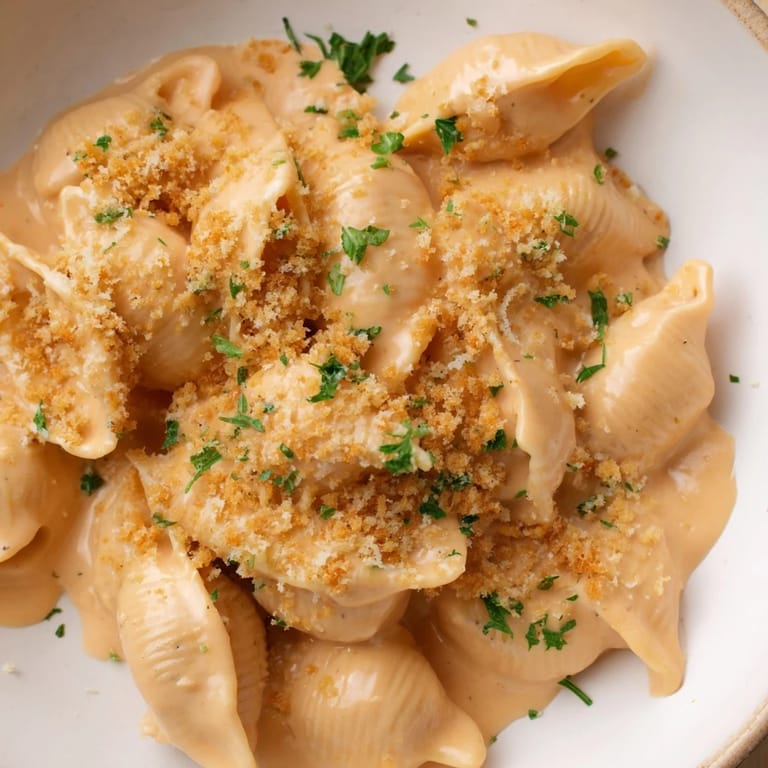
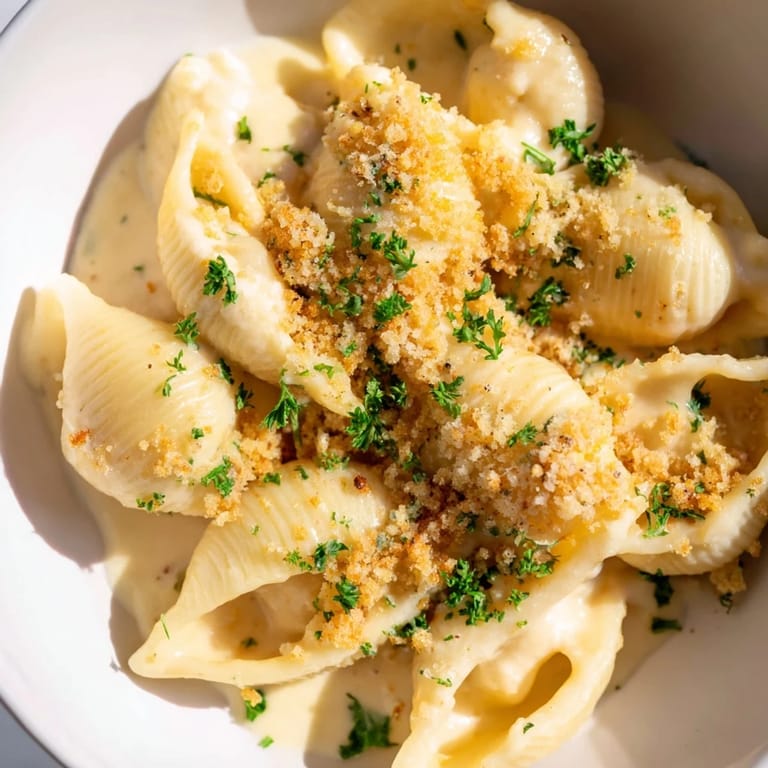
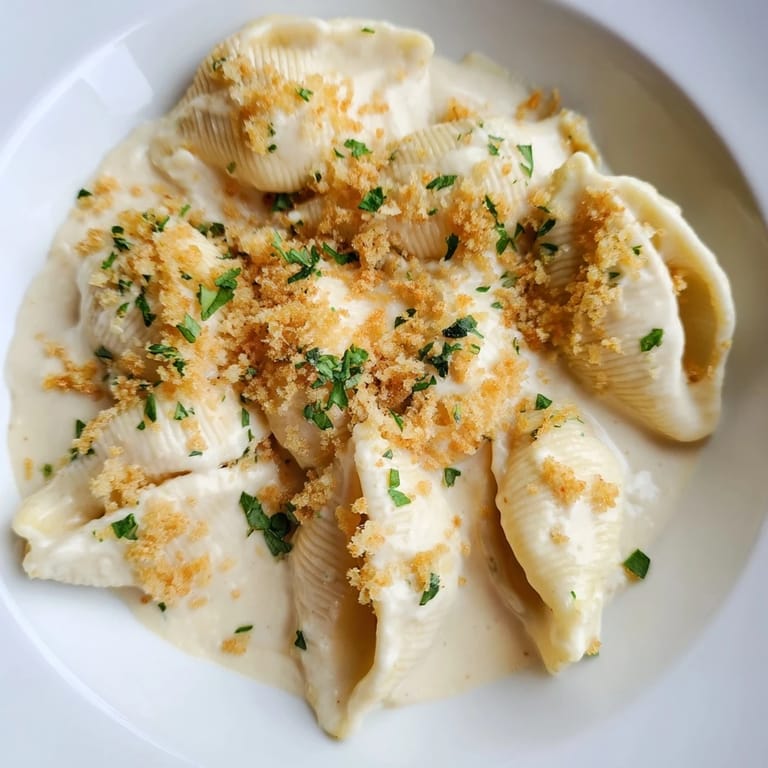
- 20g breadcrumbs and fresh parsley: The optional topping that transforms this from comfort food to something you'd serve to guests.
Tired of Takeout? 🥡
Get 10 meals you can make faster than delivery arrives. Seriously.
One email. No spam. Unsubscribe anytime.
Instructions
- Get your pasta going:
- Bring a large pot of salted water to a rolling boil and add your pasta, cooking it just until al dente—that moment where it still has a tiny bit of resistance when you bite it. This matters because the pasta will spend a few more minutes in the warm sauce, and you don't want mushiness.
- Blend the sauce:
- While the pasta cooks, add the cottage cheese, milk, both cheeses, nutritional yeast if using, cornstarch, mustard, and all your spices into a blender. Blend on high until completely smooth and silky—this usually takes about a minute, and you'll know it's ready when there's absolutely no grittiness when you rub a little between your fingers.
- Heat and thicken:
- Pour everything into a saucepan and whisk constantly over medium-low heat; this is not the time to multitask. You're looking for the moment when the sauce thickens visibly and just begins to bubble at the edges, which takes about 3 to 5 minutes. If it gets too thick, splash in some of that reserved pasta water until it flows like you want it to.
- Combine and finish:
- Drain your pasta, add it to the sauce, and toss everything together thoroughly so every piece gets coated. Heat it through for just a minute or two—you're not cooking it further, just warming it all together.
- Optional broil for crunch:
- If you want that textural contrast, transfer to a baking dish, sprinkle breadcrumbs on top, and slide it under the broiler for 2 to 3 minutes until golden and toasted. Watch it carefully because broilers are temperamental.
- Serve immediately:
- Garnish with chopped parsley and serve while it's still warm and the sauce is glossy. This is not a dish that improves when it sits.
 Pin it
 There's something oddly emotional about discovering that food doesn't have to compromise between what tastes good and what's actually nourishing. This recipe became my proof that those two things could live in the same bowl, and now it's the one I reach for when I want to feel both satisfied and okay with my choices.
The Science Behind the Creaminess
Cottage cheese gets its curds from milk curdling, and when you blend it with milk and heat it gently, those curds break down into an incredibly smooth emulsion. The cornstarch acts as a thickener, binding everything together without making it feel starchy or gluey. It's actually the same principle behind some of the most elegant sauces in cooking—you're creating a stable suspension of fat and protein that coats your pasta evenly.
Customization Without Losing the Plot
The base recipe is forgiving enough that you can shift it around based on what you have or what you're craving. Different cheeses will change the flavor profile entirely; Gruyère makes it earthier and more sophisticated, while Monterey Jack pushes it toward comfort-food territory. You can also layer in vegetables—steamed broccoli disappears into the sauce and adds color without changing the texture, and cooked chicken breast turns this into something even more substantial.
Making It Your Own
The parsley garnish is small but shifts the whole eating experience from heavy to bright. A pinch of cayenne or smoked paprika adds complexity if you're not in the mood for straight comfort food. Even switching your pasta type changes how the sauce clings and presents, and I've found that lentil pasta has a slightly nuttier flavor that plays beautifully with the sharp cheddar.
- Dust with extra Parmesan right before serving for concentrated cheese flavor in every bite.
- A tiny squeeze of lemon juice added after cooking adds brightness without tasting citrusy.
- Keep the reserved pasta water on hand because you might need it, and you can't get it back once you drain.
 Pin it
 This recipe proved to me that eating well doesn't mean eating sad, and comfort food doesn't have to leave you feeling sluggish. It's become my answer to the question of what to make when you want something that feels like a hug but actually nourishes you.
Recipe FAQs
- → What type of pasta works best for this dish?
High-protein varieties like chickpea, lentil, or whole wheat pasta provide extra nutrition while maintaining a firm texture when cooked al dente.
- → How is the cheese sauce made creamy?
The sauce blends low-fat cottage cheese with milk, sharp cheddar, Parmesan, and spices until completely smooth and then gently thickened over heat.
- → Can this be made gluten-free?
Yes, simply substitute the pasta and breadcrumbs with gluten-free alternatives to accommodate dietary needs.
- → What are optional ways to add texture?
Sprinkling whole wheat breadcrumbs on top and broiling briefly adds a crunchy golden crust complementing the creamy sauce.
- → How can I boost the protein content further?
Incorporate cooked chicken breast or steamed broccoli as mix-ins for added protein and vegetables.