 Pin it
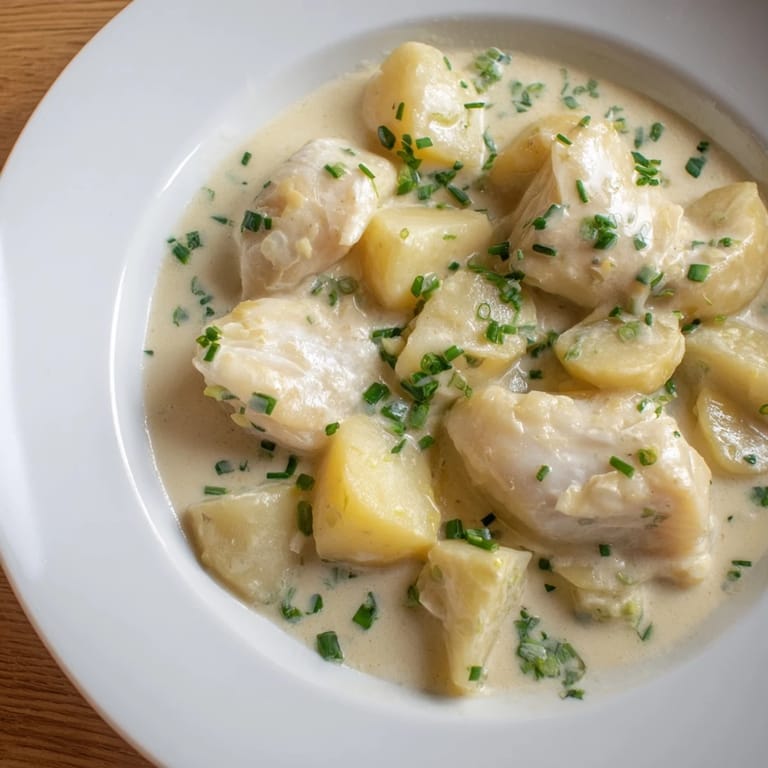
 My first Icelandic fish stew arrived on a grey afternoon when a friend visiting from Reykjavik insisted on cooking something from home. She stood at my stove with a quiet confidence, explaining how this creamy, comforting dish had gotten her through countless long winters. Watching her work—barely measuring, trusting her hands—I realized this wasn't fancy cooking; it was survival cooking, the kind that wraps around you like a warm sweater. The smell of butter and cream mingling with fresh herbs filled my kitchen, and suddenly I understood why Icelanders return to this stew again and again.
I made this for my family on the first truly cold evening of the season, when everyone seemed to arrive home tired and needing something substantial. My daughter came home from school and just sat at the kitchen counter breathing in the steam, asking if we could eat it right then instead of waiting. That's when I knew the recipe worked—not because it tasted impressive, but because it made everyone want to slow down and be together.
Ingredients
- Cod or haddock fillets (500 g): These white fish break into tender flakes and don't overpower the cream—anything oily like salmon will make the stew feel heavy and wrong.
- Butter (60 g): This is your flavor foundation, so use actual butter, not oil or margarine; it transforms when you cook the onions in it.
- Whole milk and heavy cream (500 ml milk, 100 ml cream): The combination creates that silky texture without being overpowering—use the full amount of cream or the stew tastes thin and sad.
- Potatoes (500 g), diced: Cut them into thumbnail-sized pieces so they cook through but don't dissolve into the broth.
- Onion (1 medium): Finely chop it so it softens completely and disappears into the background as a flavor base.
- Fresh parsley and chives: Half goes in during cooking to season the stew, half sprinkled raw on top for brightness and color.
- Bay leaf, salt, white pepper, nutmeg: The bay leaf perfumes everything, white pepper keeps the color pale and creamy, and nutmeg is optional but adds a whisper of warmth that makes people pause and ask what it is.
Tired of Takeout? 🥡
Get 10 meals you can make faster than delivery arrives. Seriously.
One email. No spam. Unsubscribe anytime.
Instructions
- Boil the potatoes until they break when pressed:
- Cover your diced potatoes with cold salted water and bring to a rolling boil. They'll need 12 to 15 minutes depending on how small you cut them—the goal is tender all the way through but still holding their shape. Drain them in a colander and set them aside while you work on the fish.
- Poach the fish gently with a bay leaf:
- Place your fillets in a separate saucepan with just enough cold water to cover them, add the bay leaf and a pinch of salt, then bring to a gentle simmer. The water should barely bubble—aggressive heat will make the fish tough and stringy. After 6 to 8 minutes the flesh should turn opaque and flake apart with a fork; that's your signal to lift out the fish and save about a third of a cup of the poaching liquid.
- Create a butter and onion base:
- In your large pot, melt the butter over medium heat and add your finely chopped onion. Stir it around for about 5 minutes until it turns soft, glossy, and starts to smell sweet rather than sharp—this is when the magic happens, the butter cooking the onion until it becomes part of the flavor, not a separate texture.
- Mash the potatoes into a creamy foundation:
- Add your cooked potatoes to the pot with the butter and onions, then crush them gently with a potato masher, leaving plenty of small chunks so the stew has body and texture. Don't make it smooth like mashed potatoes; you want some structure that says this is a stew, not a soup.
- Bring the fish back and build the broth:
- Break the cooled fish into large, generous flakes and add them to the pot along with the reserved poaching liquid. Stir everything together gently so the fish stays in nice pieces instead of shredding apart into nothing.
- Pour in the milk and cream carefully:
- Add your milk and cream slowly, stirring as you pour so everything combines smoothly without lumps. Keep the heat low—this is not soup that needs boiling, it's a delicate cream that will break and separate if you're careless with high heat.
- Season and taste until it tastes like home:
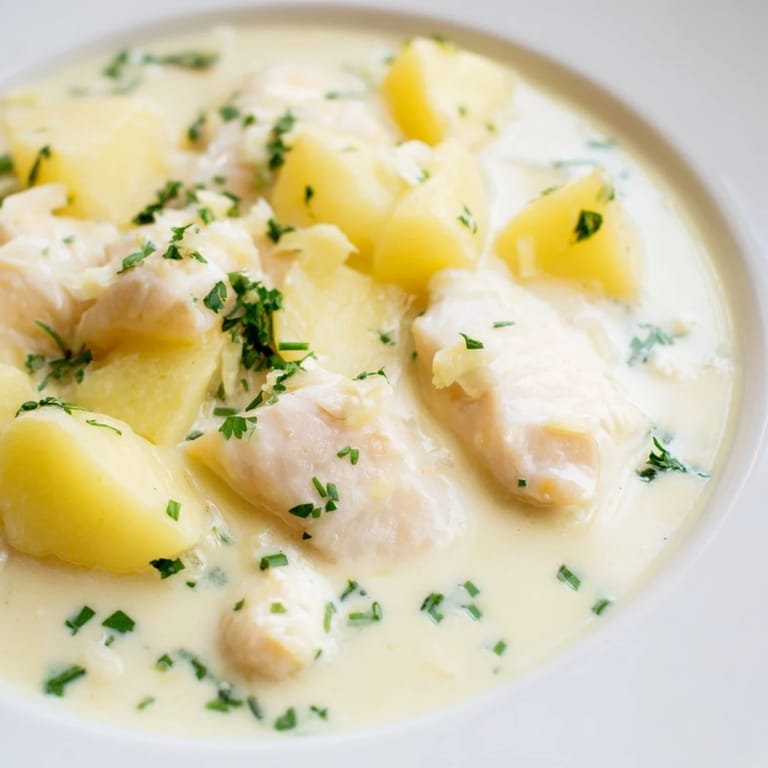
- Add salt, white pepper, and a pinch of nutmeg if you want that subtle warmth, then stir in half of your fresh parsley and chives. Taste it, adjust the seasoning (it should taste clean and a little herby), then ladle into bowls and top with the reserved herbs for color and freshness.
 Pin it
 The moment I'll remember is when my partner came home late from work, walked through the door, and just closed his eyes while the smell washed over him. He didn't say anything—he just sat down and ate two bowls while telling me about his day, and the food disappeared into the background the way the best food does, becoming part of a moment instead of the center of attention.
Why This Stew Tastes Like Winter in the North
Icelandic cooking isn't about impressing anyone; it's about surviving and nourishing people through months of cold and darkness. This stew emerged from those needs—simple ingredients that kept well, combined in ways that made you feel full and warm from the inside out. The creaminess comes from butter and dairy, not fancy techniques, and the flavors are gentle rather than bold because Icelandic kitchens historically relied on what was at hand, not what was exotic. What surprised me most was how that simplicity becomes a strength; there's nowhere for poor ingredients or careless cooking to hide.
Making It Your Own
This recipe is forgiving enough to bend to what you have on hand. If you're nervous about cream, use all milk and accept that it'll be lighter and more brothlike, which is still delicious. Some people add a splash of dry white wine or a teaspoon of smoked paprika, and both feel natural rather than trendy. I've made it with a mix of whatever white fish was on sale, and the stew never disappointed because the real work happens in the butter-onion-potato base, not in chasing perfection with expensive ingredients.
What to Serve With It
The traditional pairing is dense, dark Icelandic rye bread—the kind with a deep crust and a slight sweetness that cuts through the creaminess and soaks up every drop of broth. If you can't find authentic rúgbrauð, any hearty dark bread works, or just serve it with good butter on the side for people to tear into bread and swirl it through their bowl. Some people add a simple green salad on the side for brightness, which I appreciate in summer, but in winter I skip the salad and let the stew stand alone.
- Dark rye or pumpernickel bread is almost essential; white bread will feel wrong against this creamy richness.
- A small glass of white wine or a cold beer balances the heaviness and makes dinner feel a little more celebratory.
- Serve it hot in deep bowls so the cream stays smooth and the herbs catch the light when they land on top.
 Pin it
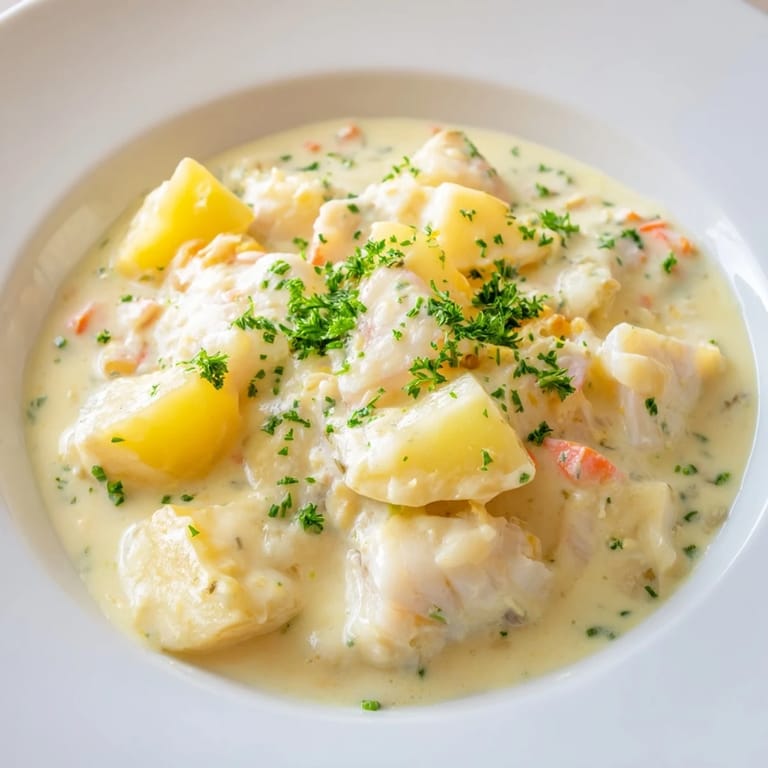
 This stew has become my quiet recipe, the one I reach for when I want to cook something real without drama or fuss. It's the kind of dish that makes people feel cared for without any of the performing that some cooking requires.
Recipe FAQs
- → What type of fish works best in this stew?
Skinless, boneless white fish such as cod or haddock provide a mild flavor and flaky texture ideal for this dish.
- → How are the potatoes prepared for the stew?
Potatoes are peeled, diced, boiled until tender, then gently mashed with some chunky texture to add body.
- → Can I substitute the cream in the stew?
Yes, for a lighter version, omit the cream and use only milk while maintaining a creamy texture.
- → What herbs enhance the flavor of this stew?
Fresh parsley and chives are added to provide a bright, fresh contrast to the creamy base.
- → Is it necessary to reserve the fish poaching liquid?
Reserving a portion of the poaching liquid adds subtle fish flavor to the stew and helps maintain moisture.