 Pin it
 My neighbor Maria brought over a bottle of homemade limoncello one spring evening, and we stood in my kitchen passing it back and forth, debating whether it belonged in desserts or just sipped over ice. By the end of the night, we'd decided it absolutely belonged in cake—specifically a pound cake so tender and bright it tastes like bottled sunshine. That first attempt was a little dense, but once I figured out the ratio of liqueur to dairy, everything clicked into place. Now whenever I make this, the whole house fills with that unmistakable lemon warmth, and someone inevitably asks what smells so good.
I baked this for my daughter's school fundraiser bake sale last year, and it sold out before lunch. Three mothers asked for the recipe, which meant I've now made it roughly eight more times for their dinner parties and book clubs. There's something about a citrus cake that makes people slow down and actually savor it instead of rushing through dessert, and watching grown-ups genuinely light up over a slice has become my favorite part of making it.
Ingredients
- All-purpose flour (2 1/2 cups): Measure by spooning into a measuring cup and leveling—don't scoop directly from the bag, which packs it down and makes the cake dense.
- Unsalted butter (1 cup, softened): Take it out of the fridge about 30 minutes before baking; cold butter won't cream properly and you'll get a gummy texture instead of that light crumb.
- Granulated sugar (2 cups): This is what catches the air when you cream it with butter, so don't rush that step—you actually want those 3 to 4 minutes.
- Eggs (4 large, room temperature): Cold eggs won't blend smoothly and can cause the batter to break; set them out while you prep everything else.
- Limoncello liqueur (1/3 cup plus 1 tbsp optional): This is the soul of the cake—it adds flavor, moisture, and that subtle boozy note that makes people say, 'What is that?'
- Fresh lemon juice (1/4 cup plus 2-3 tbsp for glaze): Squeeze your own if you can; bottled juice tastes flat compared to fresh and the cake deserves better.
- Lemon zest (3 total): Use a microplane and go gently; you want the bright yellow oils, not the bitter white pith underneath.
- Baking powder (1/2 tsp) and fine sea salt (1/2 tsp): These are small amounts but they matter—use a scale if you have one because eyeballing them can tip the balance.
- Powdered sugar (1 cup, sifted): Sifting takes 30 seconds and prevents lumps that would make the glaze grainy and unpleasant.
Tired of Takeout? 🥡
Get 10 meals you can make faster than delivery arrives. Seriously.
One email. No spam. Unsubscribe anytime.
Instructions
- Prep your pan and oven:
- Preheat to 350°F while you gather everything—a fully ready oven prevents the batter from sitting around and losing its lift. Grease your loaf or bundt pan generously and dust with flour so the cake releases cleanly once it cools.
- Whisk the dry ingredients:
- Combine flour, baking powder, and salt in a bowl and set aside; this step prevents lumps and distributes the leavening evenly through the batter. It takes two minutes but makes the difference between a fine crumb and a sandy texture.
- Cream butter and sugar:
- Beat them together for 3 to 4 full minutes until the mixture is pale, fluffy, and about doubled in volume—this is where the cake gets its tender structure. If you rush this, the cake turns out dense and heavy instead of light.
- Add eggs one at a time:
- After each egg, wait until it's completely incorporated before adding the next; this prevents the batter from looking curdled or broken. If it does look split, add a tablespoon of flour to bring it back together.
- Mix in the flavorings:
- Stir in limoncello, milk, lemon juice, zest, and vanilla until combined—this is where the cake gets its personality and brightness. The mixture will look a little loose, which is exactly right.
- Fold in the flour gently:
- Add the dry mixture gradually, stirring just until you don't see white streaks anymore—overmixing develops gluten and makes the cake tough instead of tender. Stop as soon as everything comes together; a few lumps are fine and will disappear in the oven.
- Bake with patience:
- Pour batter into the pan and bake 50 to 60 minutes; a toothpick inserted in the center should come out clean with maybe a crumb or two. If the top is browning too fast around 40 minutes, drape foil loosely over it to prevent burning while the inside finishes cooking.
- Cool thoughtfully:
- Let the cake sit in the pan for 15 minutes—this allows the structure to set—then turn it out onto a rack to cool completely. Rushing this step can cause the warm cake to collapse or crack.
- Make the glaze:
- Whisk powdered sugar with 2 tablespoons of lemon juice and limoncello if you're using it; if it's too thick, add more juice one teaspoon at a time until it drizzles smoothly. The consistency should be like thick honey—pourable but not watery.
- Finish with glaze and garnish:
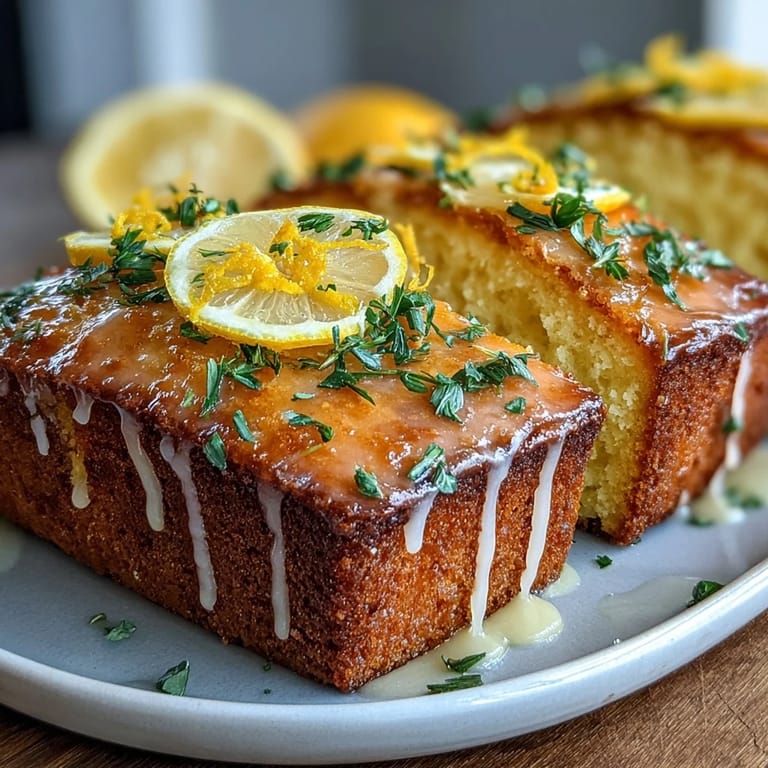
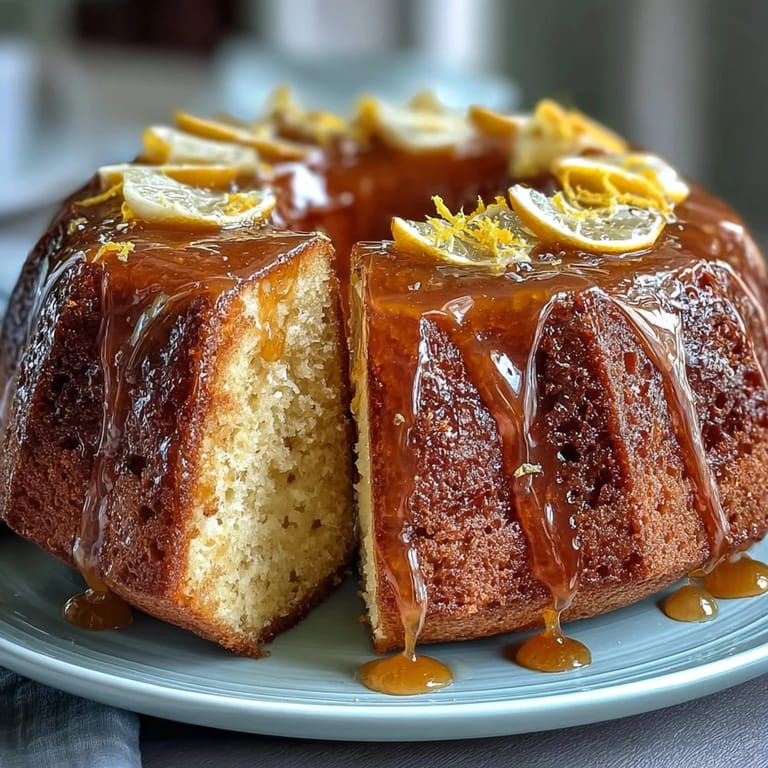
- Once the cake is completely cool, drizzle the glaze over the top and let it pool slightly down the sides, then scatter lemon zest over everything. Give it 15 to 20 minutes to set before slicing so the glaze firms up.
 Pin it
 My mother-in-law took one bite of this and asked if we could have it for her birthday instead of the traditional tiramisu she'd been requesting for years. That moment—watching someone you barely knew change their mind about a dessert tradition—felt like winning something important. Now it's become her go-to request, and I've learned to bake it the day before so it travels well to her house.
When Limoncello Is Your Secret Weapon
Limoncello adds something that fresh lemon juice alone cannot—a slight floral note and an underlying sweetness that keeps the cake from tasting sour. The alcohol bakes off, leaving only its essence behind, which makes the cake feel more sophisticated without tasting boozy. I've tried this with orange liqueur and it's lovely, but there's something about that lemon-forward punch that feels right for spring and summer gatherings.
Why This Cake Stays Moist for Days
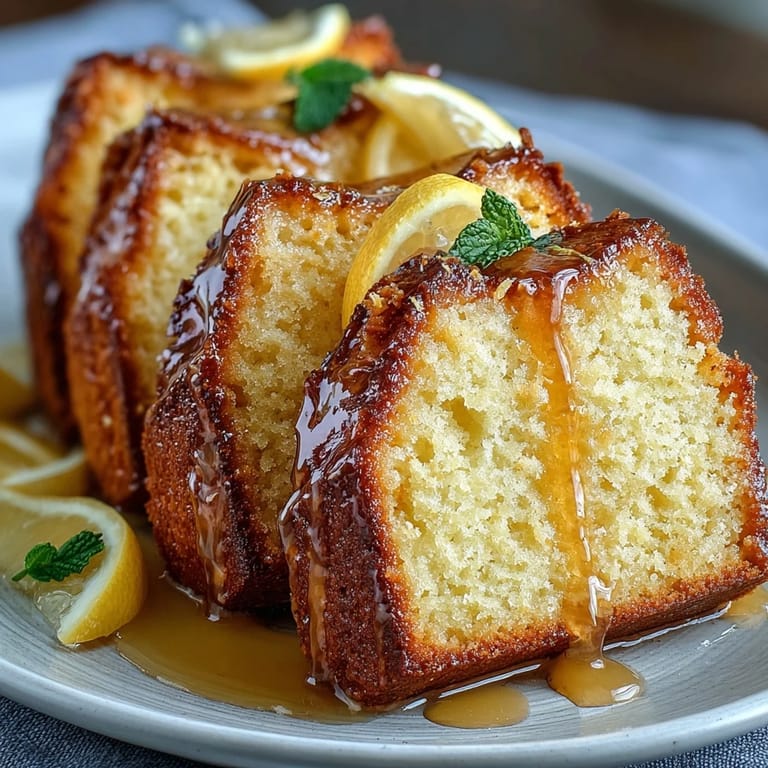
Pound cake has a reputation for drying out, but this version sidesteps that problem by including both limoncello and milk, which keep the crumb tender even after a day or two on the counter. The glaze also helps seal in moisture, so if you cover the sliced cake loosely with foil, it actually improves on day two. I've found that storing it in a sealed container at room temperature keeps it fresher longer than refrigerating it, which can make it taste stale.
Serving Ideas and Final Thoughts
This cake shines on its own, but a dollop of whipped cream or a handful of fresh berries turns a simple dessert into something restaurant-worthy. A cup of strong coffee or hot tea alongside a slice makes this feel like a proper moment of rest in the day. It also freezes beautifully for up to a month if you wrap it well, so you can bake ahead for unexpected guests.
- Serve slightly warm or at room temperature so the flavors really shine and the crumb stays tender.
- If you're gifting this, wrap it in parchment paper and tie it with twine for a homemade feel that people appreciate.
- Slice with a serrated knife and wipe the blade between cuts for clean, beautiful pieces that show off the moist crumb.
 Pin it
 This cake reminds me that the best recipes are the ones that make you want to bake them again, and this one definitely qualifies. Once you've made it once, it becomes part of your regular rotation.
Recipe FAQs
- → How does limoncello affect the cake flavor?
Limoncello infuses the cake with a subtle sweet citrus aroma, enriching the lemon flavor without overpowering the texture.
- → What is the best way to achieve a moist crumb?
Proper mixing of butter and sugar until fluffy, gentle incorporation of flour, and precise baking time ensure a tender, moist crumb.
- → Can I substitute other citrus for lemon?
Yes, orange zest and juice can be used for a sweeter, milder citrus flavor that complements the limoncello well.
- → How should the lemon glaze be prepared for ideal texture?
Whisk powdered sugar with fresh lemon juice gradually until smooth; add more juice for a thinner glaze or less for thicker coating.
- → Is it better to use a loaf or bundt pan?
Both pans work well; bundt pans offer a decorative shape, while loaf pans provide classic slices. Adjust baking time slightly if needed.