 Pin it
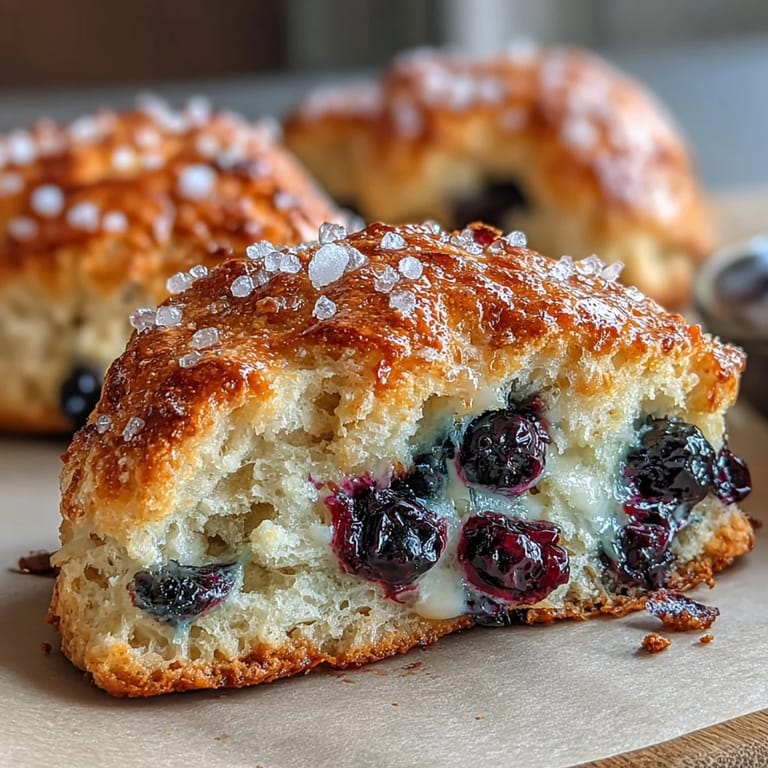
 There's something magical about using sourdough discard in baking—it feels like you're rescuing something precious instead of throwing it away. One Saturday morning, I stood at my kitchen counter with a jar of tangy discard and a craving for scones, and I wondered if the two could actually become something extraordinary together. The result was tender, buttery scones with just enough sourdough tang to make people ask what the secret ingredient was. Now I make them whenever I have discard on hand, and somehow they taste different each time, shaped by whatever mood I'm in and which berries are calling from the fridge.
I'll never forget serving these at a Sunday brunch where my friend kept asking for the recipe, then kept asking again because she couldn't believe how buttery they were. She said they tasted like something from a fancy bakery, and I got to tell her it started with sourdough starter I was about to throw away. That moment made me realize this recipe deserved to be shared, not kept to myself.
Ingredients
- All-purpose flour (2 cups): The foundation—use fresh flour if you can, as older flour sometimes absorbs moisture differently and affects how tender your scones turn out.
- Granulated sugar (1/4 cup): Just enough sweetness to let the berries shine without making these feel like dessert.
- Baking powder (2 tsp) and baking soda (1/2 tsp): This combination wakes up the dough and gives you those beautiful, light layers.
- Fine sea salt (1/2 tsp): Don't skip this—it balances the tang from the sourdough and makes everything taste more like itself.
- Unsalted butter (1/2 cup, cold and cubed): Cold is absolutely crucial here; warm butter won't give you those precious flaky layers that make scones worth eating.
- Sourdough discard (1 cup, unfed and cold): The star of the show—unfed means it hasn't been fed recently, so it's at peak tang and the right consistency for baking.
- Heavy cream (1/3 cup, plus more for brushing): This adds richness that flour and eggs alone can't deliver; it's what makes these scones feel indulgent.
- Egg (1 large): Binds everything together and gives the tops that gorgeous golden shine when brushed on before baking.
- Vanilla extract (1.5 tsp): A whisper of vanilla that rounds out the sourdough tang beautifully.
- Fresh blueberries (1 cup): Frozen works too if that's what you have, and honestly sometimes frozen berries are juicier because they've burst slightly during freezing.
- Coarse sugar (2 tbsp, optional): Sprinkle this on top for texture and a little sparkle—it's optional but it makes people think you're fancier than you are.
Tired of Takeout? 🥡
Get 10 meals you can make faster than delivery arrives. Seriously.
One email. No spam. Unsubscribe anytime.
Instructions
- Heat your oven and prep your workspace:
- Set the oven to 400°F (200°C) and line a baking sheet with parchment paper so your scones won't stick. This takes 2 minutes but saves so much frustration later.
- Combine your dry ingredients:
- Whisk together flour, sugar, baking powder, baking soda, and salt in a large bowl until everything is evenly distributed. You'll know it's ready when there are no little pockets of baking powder hiding anywhere.
- Cut in the cold butter:
- Add the cold cubed butter and work it in using a pastry cutter, two knives, or your fingertips until the mixture looks like coarse breadcrumbs. This is where patience pays off—you want pea-sized pieces of butter, not a smooth paste, because those little butter pieces create steam pockets that become flaky layers.
- Prepare your wet mixture:
- In a separate bowl, whisk together sourdough discard, heavy cream, egg, and vanilla extract until combined. The discard might look thick and lumpy at first, but the cream will help smooth it out as you whisk.
- Gently bring the dough together:
- Pour the wet ingredients into the dry ingredients and stir gently with a spatula until just combined—this is the one moment where you have to resist the urge to fully mix it. Overmixing develops gluten, which makes scones tough instead of tender, and nobody wants that.
- Fold in your blueberries:
- Carefully fold the blueberries into the dough, trying to keep them whole so you get those glorious bursts of berry in every bite. If a few crush, don't panic—it just means extra blueberry flavor in those spots.
- Shape your dough:
- Turn the dough onto a lightly floured surface and gently pat it into a 7-inch circle about 1 inch thick. Think of it like you're cradling something delicate, not aggressively kneading bread dough.
- Cut into wedges:
- Cut the circle into 8 wedges as if you're slicing a pie, then arrange them on your prepared baking sheet with a little space between each one. The space lets steam circulate and helps them bake evenly.
- Brush and top:
- Brush the tops lightly with heavy cream and sprinkle coarse sugar over them if you're using it. This gives you that bakery-quality golden, sparkly top.
- Bake until golden:
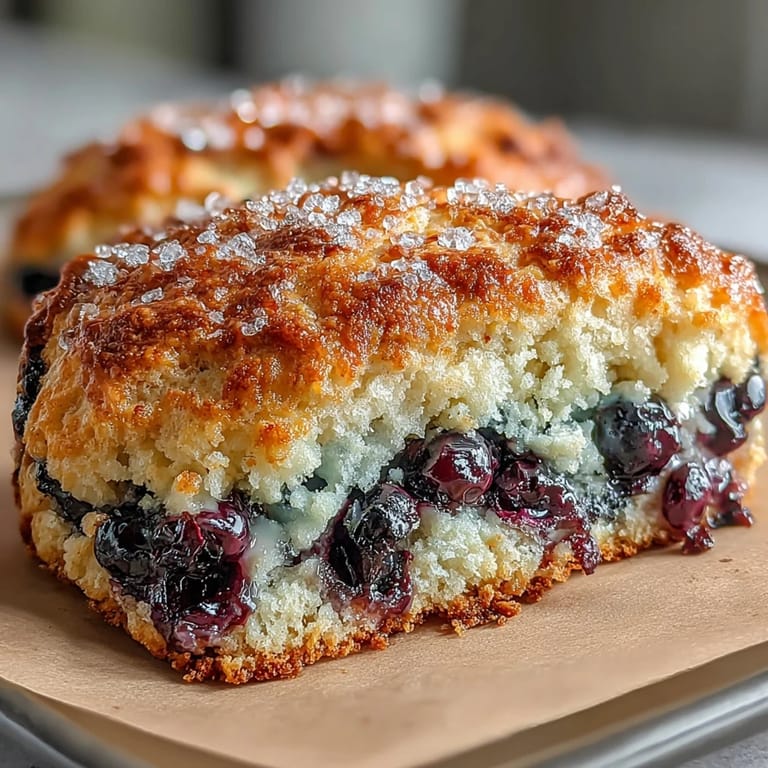
- Bake for 20-22 minutes, until the tops are golden brown and a toothpick inserted into the center comes out clean. The exact time depends on your oven, so start checking around the 20-minute mark.
- Cool before serving:
- Let them sit on the baking sheet for 10 minutes to set up, then transfer to a wire rack. This prevents the bottoms from getting soggy from residual heat and steam.
 Pin it
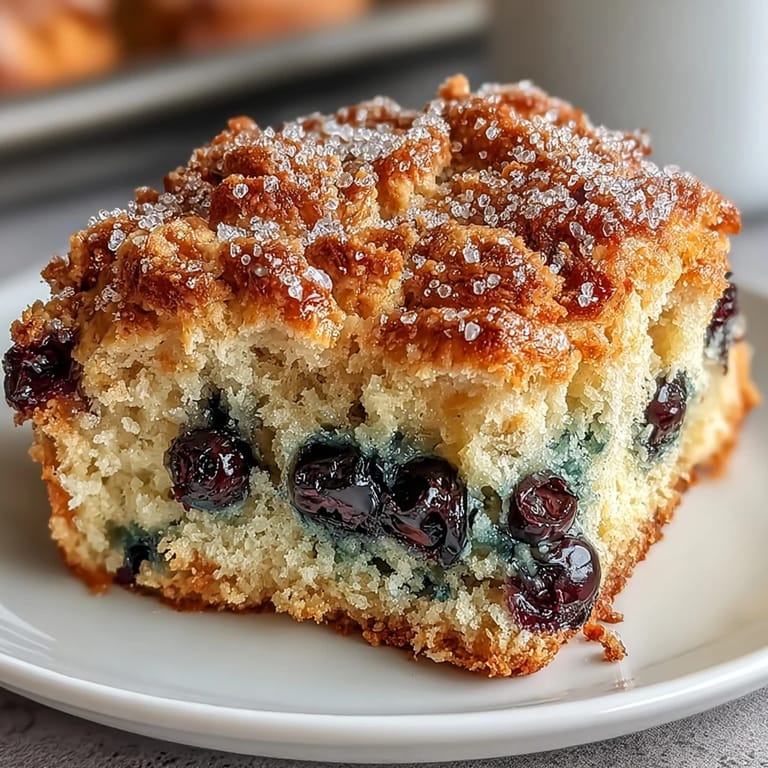
 I made these scones for my neighbor who had just become a sourdough baker herself, and watching her face light up when she realized the tangy flavor came from her starter was worth every minute of the prep work. She's now a believer that sourdough discard is too good to waste, and that small moment of kitchen connection made the whole recipe feel less like a recipe and more like a gift I could keep giving.
The Magic of Sourdough Discard in Baking
Sourdough discard isn't just leftover starter—it's a flavor powerhouse and a liquid ingredient all at once. The tanginess adds complexity that regular dairy can't match, and the live cultures already present in the starter boost your leavening, which is why these scones rise so beautifully. I learned this the hard way after spending years throwing away perfectly good discard, not realizing it was actually more useful than the fresh starter itself.
Serving Suggestions and Timing
These scones sing when they're warm from the oven with a dollop of clotted cream and a spoonful of lemon curd, but they're honestly just as good at room temperature with a cup of tea an hour later. I've found they're best the day they're baked, but if you store them in an airtight container, they stay pleasant for up to 2 days—though by day two you might want to warm them briefly in the oven to restore some of that tender crumb.
Variations and Personal Touches
The beauty of this recipe is that it welcomes exploration and personal preference. One morning I added lemon zest and it completely transformed the flavor profile, making the whole thing feel brighter and less heavy. You can also swap blueberries for raspberries, blackberries, or even try a combination, and each version will taste like a different story from your kitchen.
- For a citrus version, add 1 tsp lemon zest or even orange zest to the dry ingredients before mixing.
- Frozen berries work beautifully—don't thaw them first, as they'll bleed color and release too much liquid.
- Make these ahead by shaping them the night before, refrigerating overnight, and baking in the morning for maximum freshness.
 Pin it
 These scones have become my favorite way to use sourdough discard, and I think they'll become yours too. There's something deeply satisfying about turning something that was destined for the compost into something people genuinely look forward to eating.
Recipe FAQs
- → Can I use frozen blueberries in this dish?
Yes, frozen blueberries can be used directly without thawing to maintain their shape and prevent excess moisture in the dough.
- → What is the purpose of sourdough discard in these scones?
The sourdough discard adds a subtle tanginess and moisture, enhancing the flavor complexity and texture of the scones.
- → How do I achieve a tender, flaky texture?
Use cold unsalted butter cut into the flour mixture until coarse crumbs form, then gently combine wet ingredients without overmixing to maintain flakiness.
- → Can these be prepared ahead of time?
They are best enjoyed the day they are baked but can be stored in an airtight container for up to two days without losing texture.
- → What toppings work well for added flavor?
Brushing with cream and sprinkling coarse sugar before baking creates a golden crust; serving with clotted cream or lemon curd adds delicious richness.