 Pin it
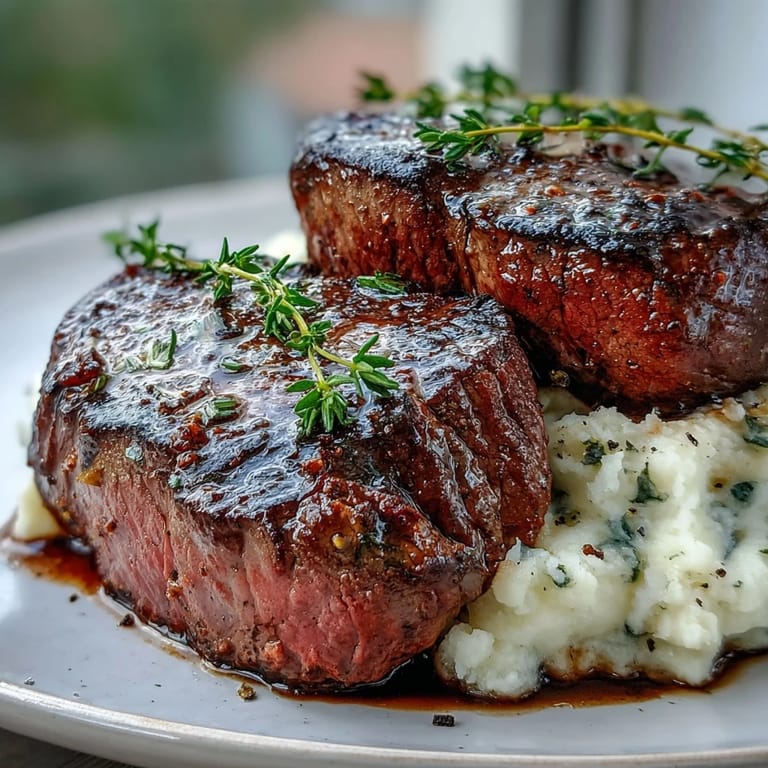
 The smell of venison searing in a hot pan is something I associate with mid-winter Saturdays, when the light fades early and the kitchen becomes the warmest room in the house. I picked up my first pack of venison steaks on a whim at a farmers market, intrigued by the deep red color and the farmer's promise that it would be nothing like beef. That evening, I paired it with swede mash flecked with caraway seeds, a combination my neighbor mentioned casually over the fence. The earthiness of the swede and the faint anise note of caraway turned out to be exactly what the lean, rich meat needed.
I made this for a small dinner party during a particularly cold February, and everyone went quiet after the first bite, which is always a good sign. One friend, who claimed she didn't like game meat, asked for the recipe before dessert was even served. The key was not overthinking it, letting the venison speak for itself and keeping the accompaniments simple but flavorful. Since then, this has become my go to when I want to impress without fussing over complicated techniques.
Ingredients
- Venison steaks: Look for steaks that are evenly cut and deep red, they should smell clean and slightly sweet, never gamey or sour.
- Olive oil: A light coating helps the thyme and seasoning stick to the meat and promotes a beautiful sear without burning.
- Fresh thyme leaves: Thyme has a subtle earthiness that complements venison beautifully, avoid dried if you can as it lacks the same brightness.
- Swede: Also called rutabaga, choose one that feels heavy for its size and has smooth, unblemished skin for the sweetest flavor.
- Unsalted butter: This adds richness to the mash and helps carry the caraway flavor through every bite.
- Double cream: Just a splash makes the swede luxuriously smooth, though milk works if you prefer something lighter.
- Caraway seeds: Toasting them first wakes up their flavor, transforming them from dusty to fragrant and almost citrusy.
- Red wine: Use something you would actually drink, it reduces down and intensifies, so poor quality wine will taste even worse in the sauce.
- Beef or game stock: Homemade is wonderful, but a good quality store bought stock works perfectly well here.
- Redcurrant jelly: This adds a touch of sweetness and helps the sauce cling to the meat, a small jar lasts ages in the fridge.
Tired of Takeout? 🥡
Get 10 meals you can make faster than delivery arrives. Seriously.
One email. No spam. Unsubscribe anytime.
Instructions
- Boil the swede:
- Get a large pot of salted water bubbling away and add your diced swede, it will take a good 20 to 25 minutes until a knife slides through easily. You want it soft enough to mash without any resistance.
- Prepare the venison:
- While the swede cooks, pat your steaks completely dry with paper towels, any moisture will prevent a proper crust. Rub them with olive oil, scatter over the thyme, and season generously with salt and pepper, then let them sit at room temperature so they cook more evenly.
- Toast the caraway:
- Put the caraway seeds in a dry pan over medium heat and shake them around for a minute or two until they smell nutty and warm. Set them aside before they burn, it happens faster than you think.
- Mash the swede:
- Drain the cooked swede really well, nobody wants watery mash, then return it to the pot with butter, cream, toasted caraway, salt, and pepper. Mash it until mostly smooth but still a bit rustic, it should have character.
- Sear the venison:
- Get a heavy skillet or griddle pan smoking hot, then lay the steaks down and leave them alone for 2 to 3 minutes per side for medium rare. Let them rest on a warm plate loosely covered with foil for 5 minutes, this is not optional, it keeps the juices inside.
- Make the sauce:
- Pour red wine into the hot pan to deglaze, scraping up all those tasty browned bits, then add stock and redcurrant jelly. Let it bubble and reduce until syrupy, then whisk in cold butter off the heat for a glossy finish.
- Plate and serve:
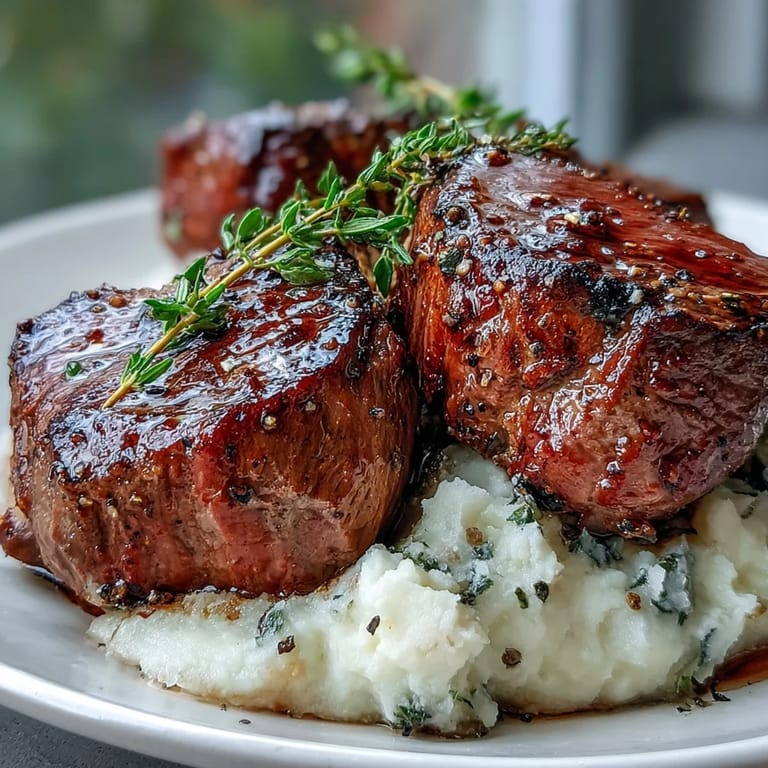
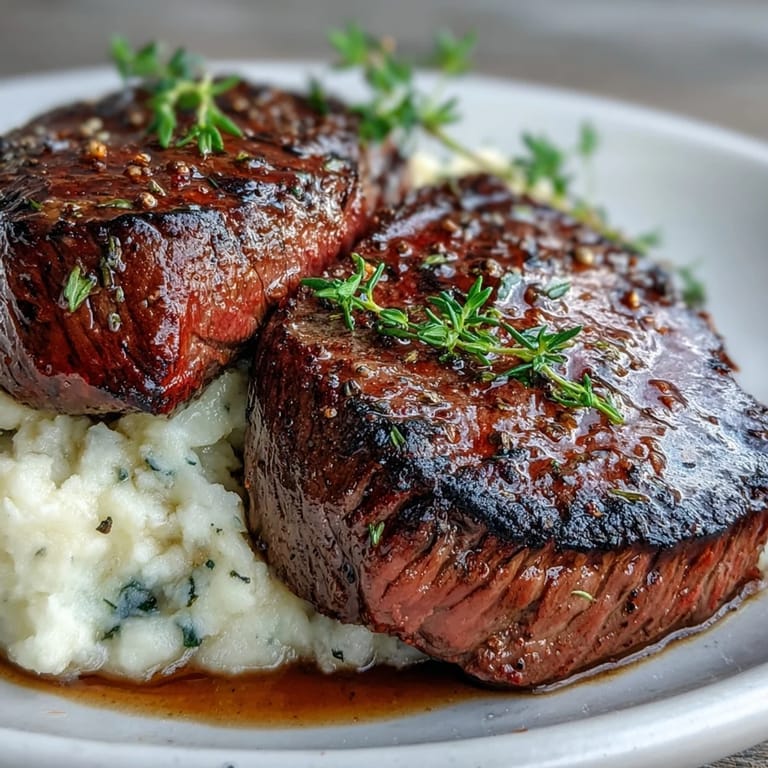
- Spoon the caraway crushed swede onto warm plates, slice the venison if you like or leave it whole, and drizzle the sauce over the top. Serve immediately while everything is still hot.
 Pin it
 There was an evening last autumn when I served this to my father, who grew up hunting and has strong opinions about game meat. He took a bite, nodded slowly, and said it was the best venison he had eaten outside of his own kitchen, which is the highest compliment I have ever received. That moment reminded me that food is never just about taste, it is about respect for the ingredient and the people you are feeding.
Choosing Your Venison
Not all venison is created equal, and the cut matters more than you might think. Steaks from the loin or haunch are your best bet for quick cooking methods like pan searing, they are tender and cook evenly. If your steaks are from a wild source, they may be smaller and leaner than farmed venison, so adjust your cooking time accordingly. I have found that letting the butcher know how you plan to cook it often results in better advice and sometimes a better cut.
Getting the Swede Right
Swede can be a bit intimidating to peel because of its thick, waxy skin, but a sharp vegetable peeler or a sturdy knife makes quick work of it. Cut it into evenly sized pieces so everything cooks at the same rate, nobody wants to mash around hard chunks. The caraway seeds are the secret here, they add a faint warmth that keeps the mash from tasting one dimensional. If you cannot find caraway, a pinch of nutmeg or even a little mustard powder works surprisingly well.
Making It Your Own
This recipe is forgiving and welcomes small changes based on what you have in the cupboard. I have swapped half the swede for parsnip when I wanted a slightly sweeter mash, and once used celeriac when that was all I had, both were excellent. The sauce is optional but highly recommended, it adds a glossy richness that ties everything together. If you are not a red wine drinker, a splash of balsamic vinegar and stock works in a pinch.
- Add a handful of sauteed kale or cavolo nero on the side for color and a bit of bitterness.
- A scattering of toasted hazelnuts over the finished dish adds crunch and a nutty depth.
- Leftovers can be sliced thin and tucked into sandwiches with sharp mustard and watercress.
 Pin it
 This dish has a way of turning an ordinary weeknight into something special, the kind of meal that makes you sit a little longer at the table. I hope it brings the same warmth to your kitchen that it has brought to mine.
Recipe FAQs
- → What temperature should venison steaks be cooked to?
Venison steaks are best served medium-rare, which means searing for 2-3 minutes per side. The internal temperature should reach 57-60°C (135-140°F). Overcooking can make venison tough and dry.
- → Can I substitute the swede with another vegetable?
Yes, you can use parsnip, celeriac, or a combination of root vegetables. These alternatives provide different flavor profiles while maintaining the creamy, comforting texture that pairs well with venison.
- → How do I prevent venison from tasting gamey?
Pat the steaks dry before cooking and bring them to room temperature. The thyme and optional red wine sauce help balance the rich, earthy flavors. Avoid overcooking, as this intensifies the gamey taste.
- → What is the purpose of toasting caraway seeds?
Toasting caraway seeds releases their essential oils, intensifying their warm, slightly anise-like flavor. This simple step takes 1-2 minutes and significantly enhances the aromatic quality of the swede mash.
- → Can this dish be made ahead of time?
The crushed swede can be prepared up to 2 hours ahead and kept warm, or reheated gently with a splash of cream. However, venison steaks should be cooked just before serving for optimal tenderness and flavor.
- → What wine pairs best with venison?
Robust red wines like Syrah, Malbec, or Côtes du Rhône complement venison's rich, earthy flavors. Look for wines with good tannin structure and notes of dark fruit, pepper, and spice.