 Pin it
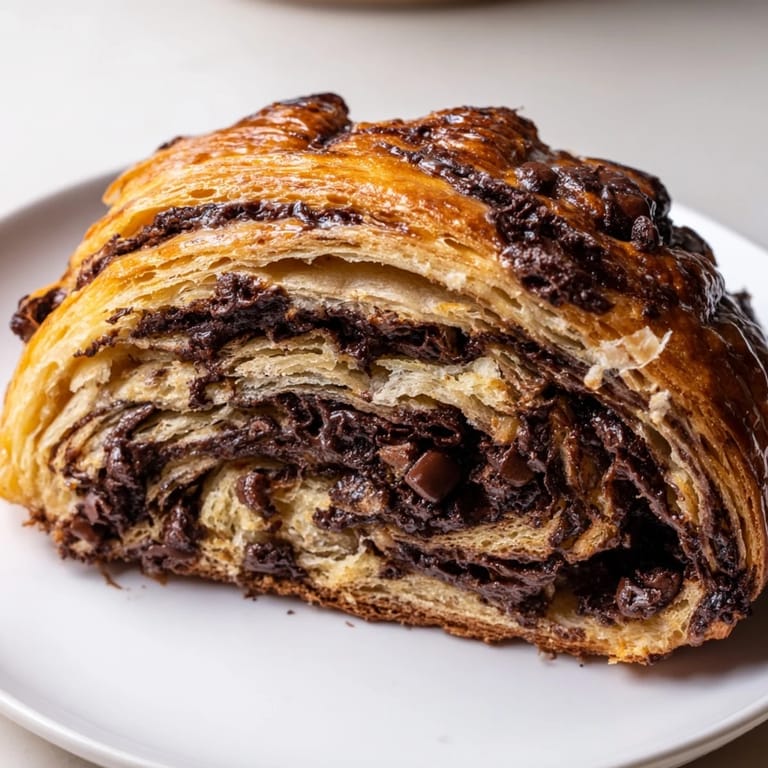
 The first time I bit into a crookie, I was skeptical. How could something claim to be both a croissant and a cookie without being a confused mess? But that golden exterior cracked under my teeth, releasing a warm chocolate center with croissant's delicate, buttery layers folded throughout. It was the kind of happy accident that makes you wonder why no one thought of it sooner.
I made these for my neighbor who mentioned offhandedly that she couldn't decide between croissants and chocolate chip cookies. Watching her face when she realized they were somehow both at once made the lamination hours completely worth it. She's been asking for the recipe ever since, though I suspect she just enjoys my kitchen chaos when I attempt the folding.
Ingredients
- All-purpose flour (250 g plus 120 g): The foundation of both the laminated croissant dough and the cookie layer; I learned the hard way that sifting at least one batch prevents dense pockets.
- Unsalted butter (150 g cold, 25 g melted, plus 70 g softened): Cold butter creates steam pockets for flakiness, melted butter binds the dough, and softened butter creams with sugar for tenderness in the cookie portion.
- Instant yeast (7 g): Just enough to give the laminated dough slight lift without overwhelming the delicate texture you want.
- Whole milk (120 ml lukewarm): Lukewarm, not hot, or you'll kill the yeast; lukewarm, not cold, or the dough won't come together properly.
- Granulated sugar (30 g plus 40 g) and brown sugar (60 g): The granulated sugar in the dough keeps it tender, while the brown sugar in the cookie layer adds moisture and depth.
- Large egg plus 1 egg yolk: One whole egg for dough structure, one yolk for cookie richness; never skip the yolk, it makes all the difference.
- Vanilla extract (1 tsp): A small amount that somehow rounds out the chocolate and butter flavors.
- Baking soda (1/2 tsp) and salt (1/4 tsp plus 1 tsp): Baking soda helps the cookie layer rise slightly, salt brings out the chocolate.
- Dark chocolate chips (100 g): These should be good quality; I use around 60% cacao because it balances the sweetness of the dough without bitterness.
Tired of Takeout? 🥡
Get 10 meals you can make faster than delivery arrives. Seriously.
One email. No spam. Unsubscribe anytime.
Instructions
- Build the dough base:
- Mix your flour, sugar, salt, and yeast in a large bowl, then add the lukewarm milk, melted butter, and whole egg. Stir until shaggy, then knead for five minutes until the dough feels smooth and alive under your hands. Shape it into a rough rectangle, wrap it, and let it chill for thirty minutes; this rest is essential so the gluten relaxes.
- Prepare the butter sheet:
- While the dough rests, place your cold unsalted butter between two pieces of parchment and roll it flat into a 15 by 15 centimeter square. You want it cold and pliable but not rock hard.
- Laminate the dough:
- Roll your rested dough into a 30 by 15 centimeter rectangle. Place the butter square in the center and fold the dough sides over it like you're wrapping a gift, sealing the edges well. Now roll this package out to 45 by 20 centimeters, then fold it into thirds like a letter. Chill for thirty minutes.
- Develop the layers:
- Repeat the rolling and folding process two more times, chilling thirty minutes between each turn. The dough will start to look striped and feel incredibly supple. After the final fold, chill the whole thing for a full hour; these rests are where the magic happens.
- Make the cookie dough:
- While your laminated dough is getting its final rest, beat softened butter with both sugars until creamy and light. Add the egg yolk and vanilla, then gently fold in the flour, baking soda, and salt until just combined. Fold in the dark chocolate chips and keep this mixture chilled until you're ready to assemble.
- Roll and fill:
- Take your laminated dough and roll it to a 30 by 25 centimeter rectangle about six millimeters thick. Spread the cookie dough evenly over the surface, leaving a one centimeter border all around to seal later. This border keeps everything contained as it bakes.
- Shape and proof:
- Roll the whole thing up tightly from the long side, then using a sharp knife, slice it into eight equal rounds. Place these on a parchment-lined baking sheet and cover them loosely with a kitchen towel. Let them proof at room temperature for one hour; they'll puff slightly as the yeast wakes up.
- Bake to golden:
- Preheat your oven to 190 degrees Celsius and bake the crookies for eighteen to twenty minutes, until they're deep golden and a toothpick inserted into the cookie portion comes out with just a few moist crumbs. Cool them on a wire rack for a few minutes before serving warm.
 Pin it
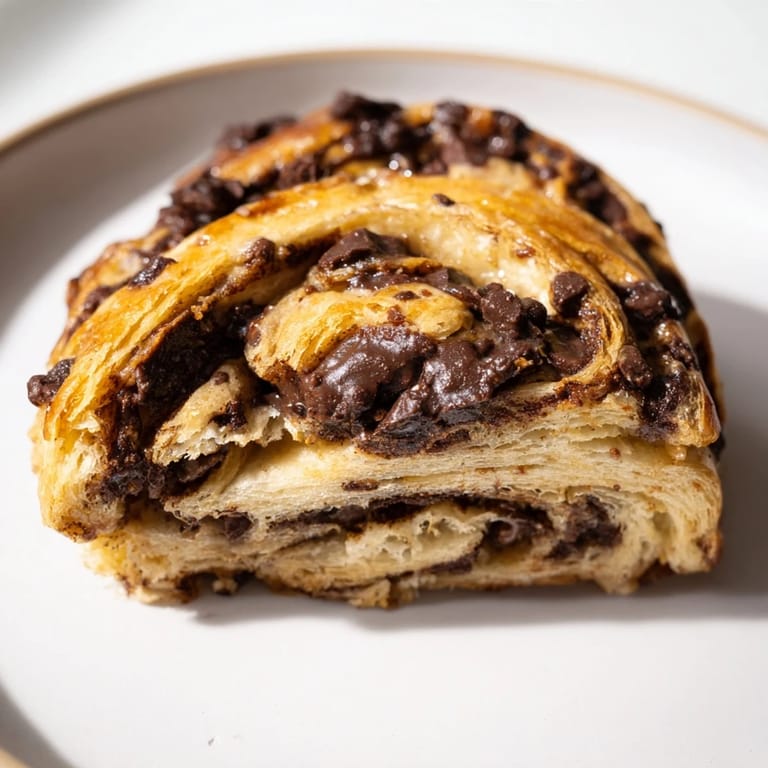
 There's a particular kitchen quiet that comes at five in the morning, right before anyone else wakes up, when I'm pulling warm crookies out of the oven and the house smells like butter and chocolate and yeast all folded together. It's the kind of smell that makes everyone stumble downstairs without being called.
The Art of Lamination
Lamination sounds fancy and technical, but it's really just folding butter into dough over and over until you have hundreds of delicate layers. Each fold creates thin sheets of butter that create steam when they hit the oven heat, puffing the dough up into that signature flaky texture. I used to think I was doing it wrong because the dough looked striped and almost marbled halfway through, but that's exactly right. Trust the process even when it looks strange.
Why Dark Chocolate Matters Here
The chocolate chips are doing heavy lifting in a crookie because they're surrounded by buttery sweetness. Using something too mild gets lost; using something too bitter makes the whole thing taste aggressive. I've found that dark chocolate around 60 percent cacao hits the sweet spot where it stays distinct without overwhelming the delicate croissant dough. If you want to experiment, try chopped dark chocolate instead of chips for a more sophisticated crunch.
Making Them Your Own
Once you understand the basic structure, crookies become a template for whatever you love. I've made versions with chopped hazelnuts folded into the cookie dough, others with white chocolate and sea salt. A friend added crushed pistachios and it was incredible. The laminated dough is so neutral that it plays well with almost anything you want to introduce.
- Try adding chopped toasted nuts or different chocolate types to the cookie dough layer.
- A light egg wash brushed on top before baking gives them a glossy, professional shine.
- Crookies taste best fresh but will keep in an airtight container and can be gently warmed before serving.
 Pin it
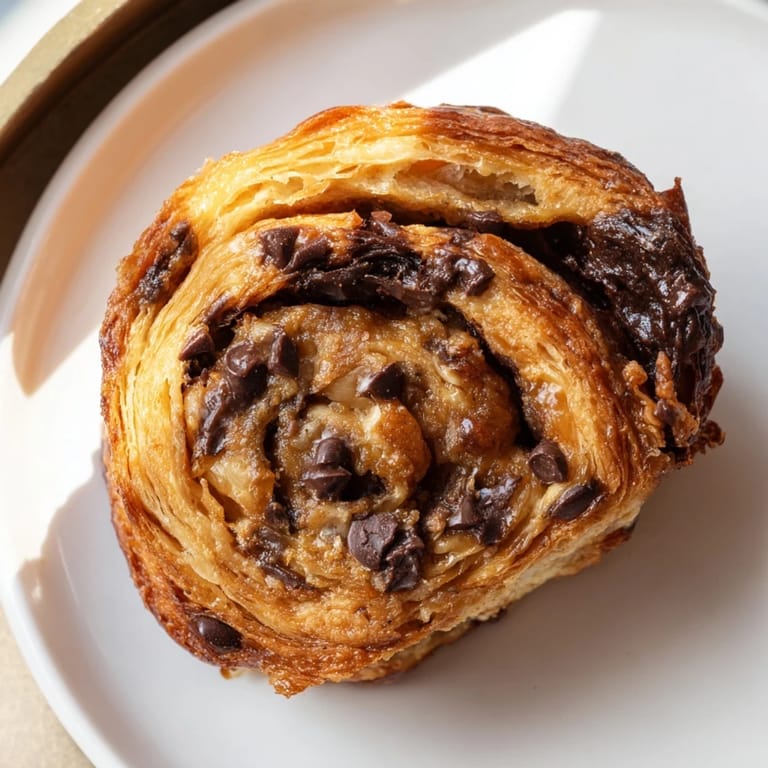
 Crookies are proof that sometimes the best things come from refusing to choose between two ideas. They're a small act of kitchen generosity every time you make them.
Recipe FAQs
- → What dough is used for this hybrid treat?
A flaky laminated dough, similar to a croissant dough, forms the base, providing buttery layers and tenderness.
- → How is the chocolate chip layer incorporated?
The chocolate chip dough is spread evenly over the rolled laminated dough before rolling it into a log, creating distinct layers when sliced.
- → Can I add variations to the chocolate chip layer?
Yes, incorporating chopped nuts or different types of chocolate can add texture and flavor variety.
- → What baking temperature and time are recommended?
Bake at 190°C (375°F) for 18 to 20 minutes until golden and cooked through.
- → How should the finished pastries be stored or served?
Best enjoyed fresh but can be gently reheated; store in an airtight container to maintain texture.