 Pin it
 The kitchen window was fogged up completely, and the scent of star anise had worked its way into every corner of the apartment. I was testing this duck recipe on a cold February afternoon, convinced I could pull off something that looked impossible in my tiny oven. When I opened the door after that final high-heat blast and saw the mahogany glaze crackling under the light, I actually laughed out loud. It worked, and it smelled like every dim sum memory I'd ever had, but richer.
I made this for the first Valentine's Day my partner and I spent at home instead of fighting for a reservation. We lit candles, set the table with mismatched plates, and I carved the duck like I'd seen chefs do on cooking shows. The meat was tender, the skin crackled when we bit into it, and the whole night felt more intimate than any crowded restaurant ever could. We've made it a tradition since then, even if Valentine's falls on a Tuesday.
Ingredients
- Whole duck: Look for one that's been properly cleaned and dried, the drier the skin, the crispier it will roast, so pat it down thoroughly with paper towels.
- Chinese five-spice powder: This blend of star anise, cloves, cinnamon, Sichuan pepper, and fennel is the soul of the dish, bringing warmth and complexity that no single spice can replicate.
- Sea salt: Coarse sea salt helps draw moisture from the skin during marinating, which is key to achieving that crispy finish.
- Light soy sauce: Adds savory depth without overwhelming the other flavors, make sure it's gluten-free if you need it to be.
- Dark soy sauce: This is what gives the duck its deep, glossy color and a hint of molasses-like sweetness.
- Honey: Balances the salty and spicy elements and caramelizes beautifully under high heat.
- Shaoxing wine: A staple in Chinese cooking, it tenderizes the meat and adds a subtle floral note, dry sherry works if you can't find it.
- Garlic and ginger: Freshly minced and grated, these two are non-negotiable for building aromatic base flavors.
- Orange: The zest brings brightness, the juice adds acidity, and the quartered fruit stuffed inside perfumes the meat from within.
- Spring onions: Their mild onion flavor complements the marinade and adds freshness when tucked into the cavity.
- Star anise pods: Whole pods inside the duck release their licorice-like aroma slowly as it roasts, infusing the meat with warmth.
Tired of Takeout? 🥡
Get 10 meals you can make faster than delivery arrives. Seriously.
One email. No spam. Unsubscribe anytime.
Instructions
- Mix the marinade:
- Combine the five-spice powder, salt, both soy sauces, honey, Shaoxing wine, garlic, ginger, orange zest, and juice in a small bowl, stirring until the honey dissolves and everything smells incredible. This paste should be thick and fragrant, almost like a glaze.
- Prep the duck:
- Set the duck on a rack in your roasting pan and use a fork to prick the skin all over, being careful not to pierce into the meat itself. This lets the fat render out during roasting, which is how you get that crispy skin.
- Rub and stuff:
- Massage the marinade all over the duck, inside and out, really working it into every crevice. Tuck the orange quarters, spring onions, and star anise into the cavity, they'll perfume the meat as it cooks.
- Marinate:
- Leave the duck uncovered in the fridge for at least an hour, but overnight is even better if you have the time. The air circulation helps dry the skin further, and the flavors soak in deep.
- Preheat and roast:
- Heat your oven to 180°C (350°F) and slide the duck in, breast-side up. Roast for an hour, basting with the pan juices every 30 minutes to keep it moist and build up that glaze.
- Crisp the skin:
- Crank the heat up to 220°C (425°F) and roast for another 20 to 30 minutes, watching closely as the skin turns golden and crackles. The kitchen will smell almost too good to handle at this point.
- Rest and carve:
- Pull the duck out and let it sit for 10 minutes before you start carving. This lets the juices redistribute so every slice stays tender and flavorful.
 Pin it
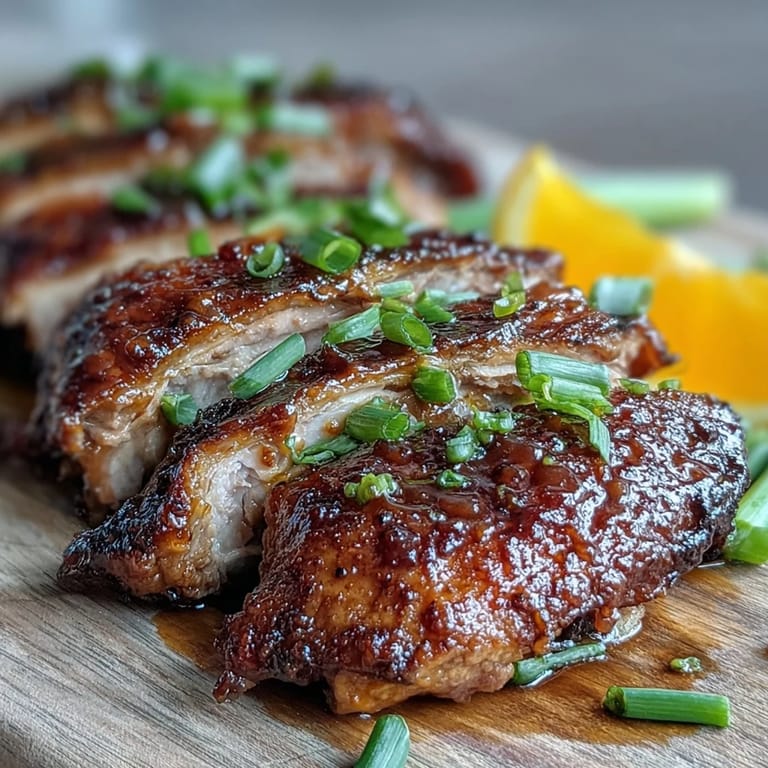
 The first time I served this to friends, one of them asked if I'd ordered takeout and just plated it nicely. I took it as the highest compliment. We sat around the table, pulling apart the duck with our hands, dipping the meat into the sticky pan drippings, and talking until the candles burned down. That's when I realized this dish isn't just about the flavors, it's about slowing down enough to enjoy them.
How to Get the Crispiest Skin
The secret is in the drying and the two-stage roasting. Patting the duck dry before marinating is step one, but letting it sit uncovered in the fridge is where the magic really happens. The cold air pulls moisture from the skin, and when it hits that high heat at the end, it crisps up like crackling. Don't skip the final blast at 220°C, that's what takes it from good to unforgettable.
Pairing and Serving Suggestions
I like to serve this with steamed jasmine rice to soak up the drippings and some quick stir-fried greens for balance. A light Pinot Noir works beautifully if you want wine, but honestly, chilled jasmine tea feels more true to the flavor profile. Leftovers make surprisingly good sandwiches the next day, tucked into a soft bun with hoisin and cucumber.
Make-Ahead and Storage Tips
You can prep the marinade and rub the duck a day in advance, just cover it loosely and let it sit in the fridge. The longer it marinates, the deeper the flavor. Once cooked, the duck keeps in the fridge for up to three days, though the skin won't stay as crispy.
- Reheat leftovers in a hot oven to restore some of that crackle.
- The pan drippings can be strained and saved as a base for fried rice or noodles.
- If you're cooking for more than two, just scale up and use two smaller ducks instead of one large bird.
 Pin it
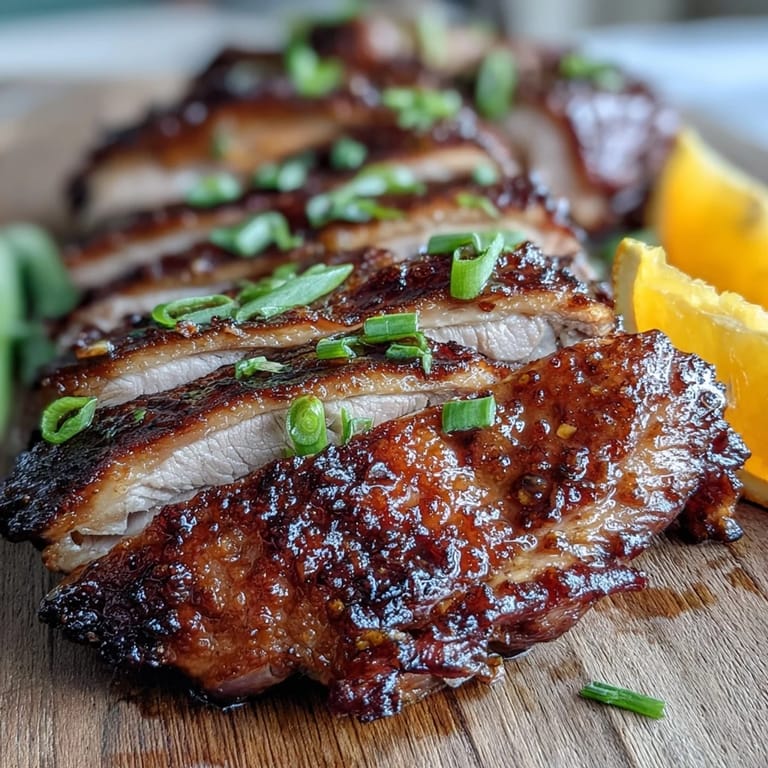
 This duck has become more than a recipe for me, it's a reminder that some things are worth the wait and the effort. Whether you're cooking it for someone special or just because you want to treat yourself, it delivers every time.
Recipe FAQs
- → How do I get the duck skin extra crispy?
Leave the duck uncovered in the refrigerator overnight before roasting. This dries out the skin, which helps it become crispier during the high-heat final roasting stage.
- → Can I use a different sweetener instead of honey?
Yes, maple syrup works well as a substitute for honey and provides a slightly different, equally delicious flavor profile to the marinade.
- → How long should I marinate the duck?
Marinate for at least 1 hour, but for deeper, more complex flavors, marinate overnight in the refrigerator uncovered.
- → What should I serve with this duck?
Steamed jasmine rice and stir-fried greens are traditional accompaniments. For beverages, pair with a light Pinot Noir or chilled jasmine tea.
- → Is this dish suitable for gluten-free diets?
Yes, when using gluten-free soy sauce. Regular soy sauce contains gluten, so always check labels and use certified gluten-free versions if needed.
- → Why do I need to prick the duck skin?
Pricking the skin allows fat to render out during roasting, resulting in crispier skin. Be careful to only pierce the skin without going into the meat.