 Pin it
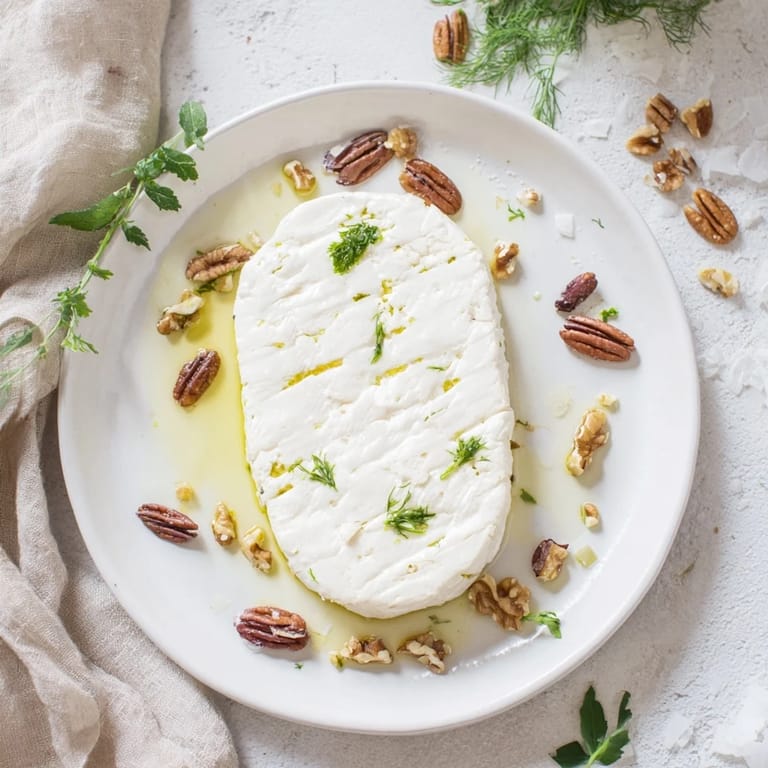
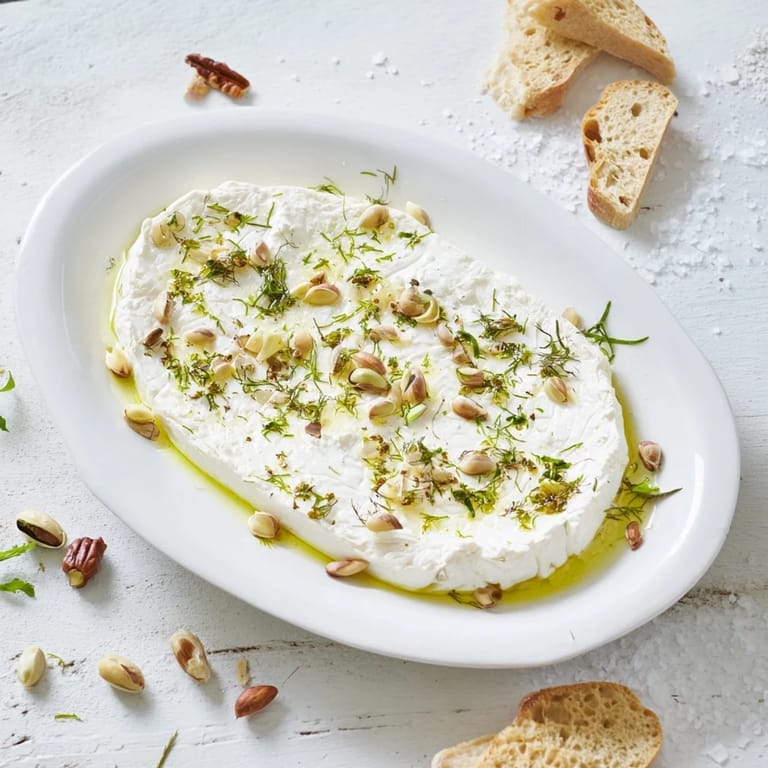
 I discovered this dish entirely by accident while rearranging my cheese board one quiet afternoon, pressing a sprig of fresh dill into soft goat cheese just to see what would happen. The herb left behind the most delicate, intricate imprint—like something you'd find pressed between the pages of an old geology textbook. That little moment of curiosity turned into something magical: a cheese course that looks like ancient treasure and tastes like pure comfort.
I served this at a small dinner party last summer, and watched a friend who usually skips cheese courses actually go back for seconds. She later texted me asking how I made it look so professional—I realized then that sometimes the most impressive dishes are the ones that feel effortless and honest.
Ingredients
- Soft cheese (250 g): Goat cheese has tang and holds impressions beautifully, but cream cheese or ricotta work just as well depending on your mood and what's in your fridge.
- Fresh herbs (1 small bunch): Parsley, dill, cilantro, or chervil all leave different textures when pressed—dill creates the finest, most feathery marks.
- Olive oil (1 tbsp, optional): Just a light brush adds a subtle sheen and makes the fossil impressions catch the light.
- Assorted nuts (100 g): Whole nuts in the shell look more authentic and dramatic, but cracked pieces scattered around add to the archaeological vibe.
- Sea salt (1/2 tsp, optional): A final sprinkle brings out the earthiness and makes it feel intentional.
Tired of Takeout? 🥡
Get 10 meals you can make faster than delivery arrives. Seriously.
One email. No spam. Unsubscribe anytime.
Instructions
- Prepare your canvas:
- Line a small tray or plate with parchment paper so you can easily move or present the finished cheese. This is your stage.
- Shape the cheese:
- Spread the soft cheese about 2 cm thick into a rough oval or round—think of it like pressing warm clay. A spatula helps smooth the top, but keep it rustic; perfection looks too modern for fossils.
- Press the fossil impressions:
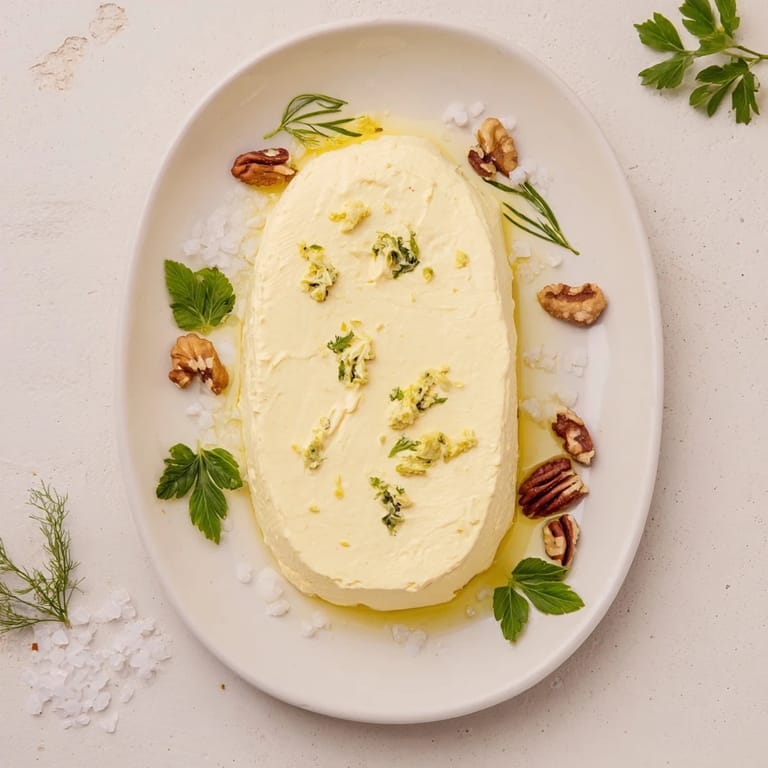
- Take your herb sprigs and press them firmly into the cheese surface, holding for a few seconds so they really sink in. Carefully lift away each herb to reveal the ghost of its shape left behind, like an archaeological discovery.
- Add shine (optional):
- A light brush of olive oil catches light and makes those delicate herb impressions pop even more dramatically.
- Scatter the ancient landscape:
- Arrange your cracked and whole nuts around the cheese, letting some shell fragments tumble naturally. This is where the whimsy happens—aim for an excavation site aesthetic.
- Season and serve:
- A pinch of sea salt if you like, then bring it straight to the table or refrigerate until guests arrive. Both work beautifully.
 Pin it
 A friend's eight-year-old spent ten minutes examining this closely, asking if the cheese was actually millions of years old, and I realized then that this dish bridges imagination and flavor in a way that delights everyone at the table.
Playing with Texture and Flavor
The contrast between soft, creamy cheese and the crunch of nuts is what makes this work so well. The herbs aren't just for looks—they whisper subtle flavors throughout, and different herbs create entirely different moods. Dill suggests coastal elegance, cilantro brings brightness, and parsley feels like home.
Making It Your Own
I've experimented with edible flowers—nasturtiums and pansies leave stunning imprints—and once pressed some small fern fronds for a prehistoric fern-forest effect. For a vegan version, use a plant-based soft cheese that has similar spreadability. You can also serve it alongside honey or fruit preserves for a sweet-savory play that catches guests off guard.
Wine Pairing and Serving Moments
A crisp white wine like Sauvignon Blanc sings alongside this, cutting through the richness and complementing both the herbs and the nuts. Serve it with crackers, fresh bread, or just a small spoon for spreading—the adventure is in how people choose to eat it.
- Make this up to 4 hours ahead and keep it refrigerated so the impressions stay crisp and the cheese stays firm.
- If you're serving it at a picnic, keep it cool in an insulated bag with an ice pack nearby.
- Trust the process: even imperfect fossil impressions look intentional and intriguing.
 Pin it
 This dish proves that the most memorable food moments don't require hours in the kitchen—sometimes they come from pressing a leaf into cheese and discovering magic in simplicity. Serve it and watch your guests lean in closer, spellbound by something that took fifteen minutes to make.
Recipe FAQs
- → How do I create the fossil imprints on the cheese?
Press fresh herb sprigs gently into the surface of soft cheese to leave detailed impressions, then carefully lift the herbs away.
- → What types of soft cheese work best?
Soft cheeses like goat cheese, cream cheese, or ricotta provide ideal texture for clear herb imprints and creamy flavor.
- → Can I use different nuts?
Assorted nuts such as walnuts, pecans, almonds, or hazelnuts work well, providing varied crunch and rustic appeal.
- → Is olive oil necessary for the cheese surface?
Brushing olive oil adds a subtle sheen and enhances flavor but is optional depending on preference.
- → How should I serve this dish?
Serve immediately with crackers or fresh bread; refrigerate if needed before serving to maintain freshness.
- → Are there adaptable options for dietary needs?
Use plant-based soft cheese for a vegan alternative and ensure nut choices suit any allergies.