 Pin it
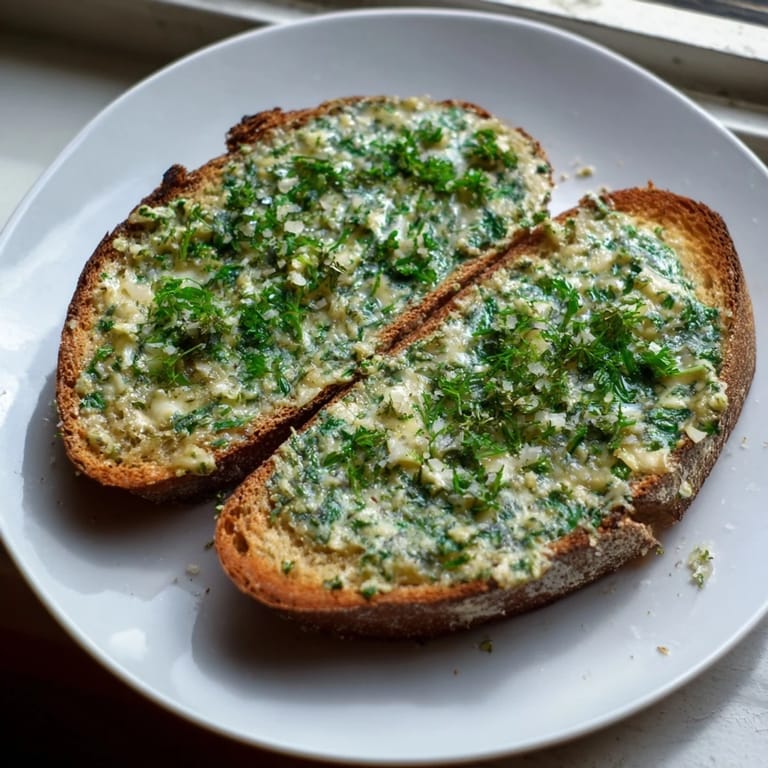
 There's something about the smell of butter hitting warm bread that stops you mid-thought. My neighbor once handed me a plate of these herb butter toasts through the fence, still steaming, and I understood immediately why she'd been talking about them all week. It wasn't fancy or complicated, just bread, butter, and herbs working together in the most effortless way. Since then, I've made them dozens of times—sometimes as a quick lunch, sometimes when friends drop by unexpectedly. They're the kind of thing that tastes like you tried harder than you actually did.
I made these for a small dinner party once when I realized I'd forgotten to buy proper appetizers. Pulled out what I had—some decent sourdough, butter, herbs from the windowsill garden—and spent ten minutes getting the compound butter right. When they came out of the oven with the edges just turned golden, everyone reached for them before I'd even set the plate down. That's when I learned that simple food made with intention and fresh ingredients often beats anything more complicated.
Ingredients
- Crusty artisan bread (sourdough or baguette): The foundation here—you want something with enough structure to hold the butter without collapsing, and a crust that gets crispy rather than chewy. Avoid soft sandwich bread; it'll turn soggy.
- Unsalted butter: Softened is key; it should be spreadable but not melting. This gives you control over the salt level and lets the herbs shine through.
- Fresh parsley: The backbone of the herb blend, offering a clean, grassy note that doesn't overpower.
- Fresh chives: Their delicate onion flavor adds complexity without aggression—finely chopped so they're evenly distributed.
- Fresh thyme: Just a teaspoon; it's potent and woody, so restraint matters here.
- Garlic: One clove, minced fine, brings umami depth that rounds out the other flavors beautifully.
- Lemon zest: The secret weapon—half a teaspoon brightens everything and prevents the butter from tasting flat or one-dimensional.
- Black pepper and fine sea salt: Season the butter itself, not just the finished toast, for better flavor distribution.
- Flaky sea salt: The final flourish that adds texture and a burst of brightness when you bite through.
Tired of Takeout? 🥡
Get 10 meals you can make faster than delivery arrives. Seriously.
One email. No spam. Unsubscribe anytime.
Instructions
- Mix your butter foundation:
- Combine the softened butter with all herbs, garlic, lemon zest, pepper, and fine sea salt in a bowl, stirring until everything is evenly distributed and the mixture looks uniformly green-flecked. Don't overmix; you're not trying to emulsify it, just incorporate the flavors throughout.
- Get your bread ready to toast:
- Slice your bread to about half an inch thick and arrange on a baking sheet. Set your oven to 200°C (400°F) or your broiler to high, whichever you're using.
- Toast until just crisp:
- Place the bread in the oven or under the broiler for 2–3 minutes, watching carefully so it catches color without burning. You want that satisfying crunch and light golden edge, not charring.
- Spread the herb butter generously:
- Pull the warm toast from the heat and spread a thick layer of compound butter onto each slice while the bread is still hot. The warmth will start melting the butter, helping it soak in slightly.
- Finish with a quick melt:
- Return the buttered toasts to the oven or broiler for just 1–2 minutes until the butter is melted and bubbling slightly at the edges. This second heating step keeps the toast crispy instead of soft.
- Top and serve immediately:
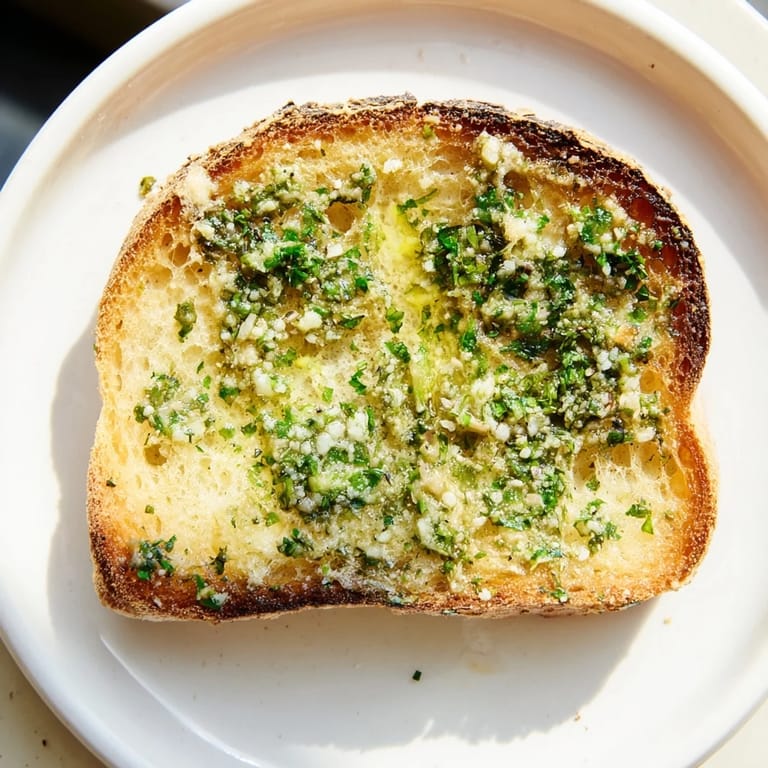
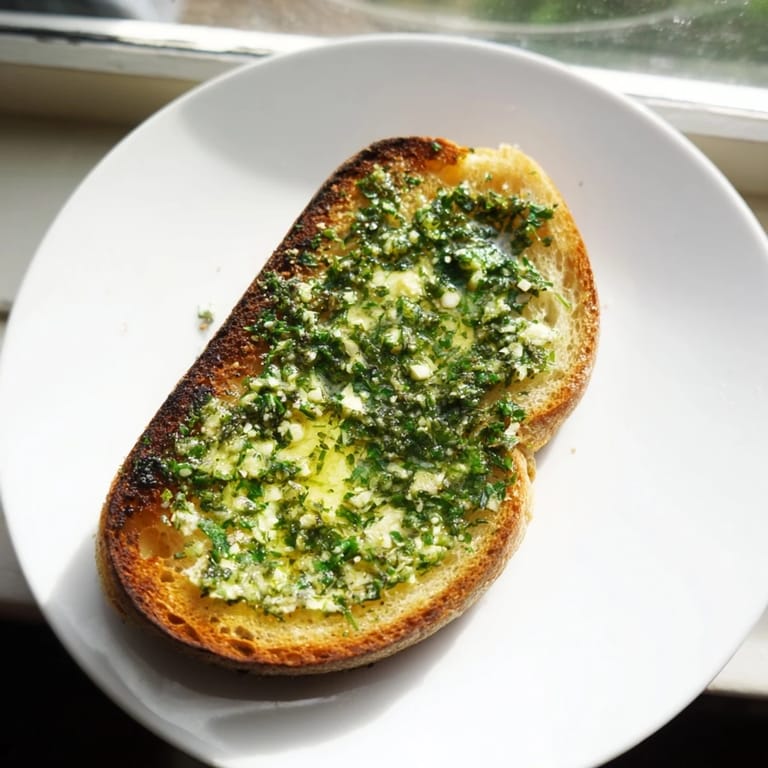
- Pull from the heat, sprinkle generously with flaky sea salt, and get them to the table while they're still warm. The contrast between the warm butter, crispy bread, and that final salt is what makes this magic.
 Pin it
 I brought a batch of these to a potluck once where everyone else had brought elaborate casseroles and complicated salads, and somehow my simple toasts disappeared first. That's when I realized that restraint and quality ingredients speak louder than effort or complexity. Since then, I've stopped apologizing for simple food.
Building Better Compound Butter
The magic of compound butter is that the cold butter acts as a delivery system for fresh herbs—it keeps them vibrant while spreading their flavor evenly across the bread. I learned this by experimenting with different ratios and discovered that the herbs should be finely chopped but not minced to dust; you want little flecks you can see and taste, not a homogeneous paste. The lemon zest is what separates good herb butter from forgettable herb butter, adding a brightness that prevents the whole thing from tasting heavy or one-note.
Variations Worth Trying
Once you understand the basic formula, you can spin this a hundred ways depending on your mood or what's growing in the garden. I've made versions with dill and a whisper of tarragon, others with fresh basil and no thyme, and one memorable batch with red pepper flakes that my spice-loving friend requested. The core principle stays the same: quality bread, compound butter with fresh herbs that you love, and the discipline not to overthink it.
Serving Suggestions & Storage
These are best served immediately while the butter is still melted and the bread is at peak crispness—they lose something if they sit around. If you're making ahead, you can prepare the compound butter up to two days in advance and store it wrapped in plastic wrap in the fridge, then assemble and toast the bread fresh when you're ready to serve. I sometimes make extra compound butter and freeze it in spoonfuls on a tray, then transfer the frozen discs to a freezer bag so I can toast bread and top it with a frozen puck anytime the craving hits.
- Make the compound butter up to two days ahead and store it wrapped, or freeze in portions for later.
- Toast the bread fresh just before serving to maintain maximum crispness and ensure the butter melts properly.
- Use within a day of assembly, as the toast will soften over time even stored in an airtight container.
 Pin it
 This recipe taught me that sometimes the best dishes aren't about technique or complexity—they're about respecting good ingredients and knowing when to stop. Serve these warm and watch people forget their phones for five minutes.
Recipe FAQs
- → Can I prepare the herb butter in advance?
Yes, the compound herb butter can be made 1–2 days ahead and stored in an airtight container in the refrigerator. You can also freeze it for up to 3 weeks wrapped in parchment paper.
- → What type of bread works best?
Crusty artisan breads like sourdough, baguette, or ciabatta are ideal as they provide excellent texture and won't become soggy. Avoid soft white bread or very thin slices.
- → How can I customize the herb butter?
Feel free to swap herbs based on preference—dill, tarragon, basil, oregano, or mint all work wonderfully. You can also add chili flakes, sun-dried tomato, or anchovy paste for different flavor profiles.
- → What's the best way to toast the bread?
A broiler works fastest for even browning, but an oven at 200°C (400°F) is equally effective. Toast for 2–3 minutes until crisp and lightly golden, watching carefully to prevent burning.
- → What pairs well with herb butter toast?
Serve alongside crisp white wines, light soups like minestrone or gazpacho, or as part of an appetizer spread with cured meats, cheeses, and fresh vegetables.