 Pin it
 My neighbor showed up with a bunch of beets from her garden one September afternoon, looking slightly apologetic about the muddy vegetables in her hands. I had no idea what to do with them until she mentioned her favorite hummus recipe—this one. The first batch I made filled my entire kitchen with this warm, earthy smell that lingered for hours, and when I tasted it, I understood why she'd been so eager to share the recipe. Now whenever I roast beets, I'm transported back to that moment of discovering something simple could taste this good.
I brought this to a potluck last spring, and it disappeared faster than anything else on the table—a group of people I'd never met before stood around that bowl just dipping and chatting. Someone asked if it was store-bought, and I remember feeling oddly proud saying I'd made it myself. That's when I realized this wasn't just a dip; it was something that made people slow down and actually enjoy the moment.
Ingredients
- 1 medium beet (about 180 g), trimmed and scrubbed: Choose one that's firm with no soft spots—the roasting will turn it sweet and tender, and the deep color is what makes this hummus visually stunning.
- 1 small garlic clove, peeled: One clove is all you need; too much and it overwhelms the delicate earthiness of the beets, so don't get overzealous here.
- 400 g (1 can) chickpeas, drained and rinsed: Rinsing them removes that starchy liquid and makes the hummus silkier—this step actually matters more than you'd think.
- 3 tbsp tahini: This is the creamy backbone of the whole thing; make sure it's well-stirred before measuring, as it separates if left sitting.
- 2 tbsp fresh lemon juice (about 1 lemon): Fresh is non-negotiable here—bottled juice will make it taste flat and a bit plastic-y, which defeats the whole purpose.
- 2 tbsp extra-virgin olive oil, plus more for drizzling: The good stuff matters; cheap oil will taste greasy and dull, so don't skip quality on this one.
- ½ tsp ground cumin: It adds a warm, subtle spice that ties everything together without making it spicy.
- ¼ tsp sea salt, or to taste: Start with a quarter teaspoon and taste as you go—you can always add more, but you can't take it out.
- 2–3 tbsp cold water (as needed): Add this gradually until you get the texture you want; some days you might need less, depending on humidity.
Tired of Takeout? 🥡
Get 10 meals you can make faster than delivery arrives. Seriously.
One email. No spam. Unsubscribe anytime.
Instructions
- Roast the beet until it's completely tender:
- Wrap it tightly in foil, pop it on a baking sheet, and roast at 200°C (400°F) for 40–45 minutes. You'll know it's done when a fork slides through like butter; if it's still firm, give it another 5 minutes. Let it cool just enough to handle, then peel away the skin—it should slip right off.
- Combine everything in the food processor:
- Add the chopped beet, chickpeas, garlic, tahini, lemon juice, olive oil, cumin, and salt all at once. Blend on high until smooth, stopping halfway to scrape down the sides so nothing hides at the bottom.
- Stream in water until it's creamy:
- With the motor running, add cold water one tablespoon at a time, blending between additions. You want it smooth and spreadable, not dry and clumpy.
- Taste and adjust:
- This is the moment where you become the chef—try it and add more salt or lemon juice if it needs brightness. Trust your palate here; a tiny pinch of smoked paprika is optional but makes it whisper-smoky.
- Serve it beautifully:
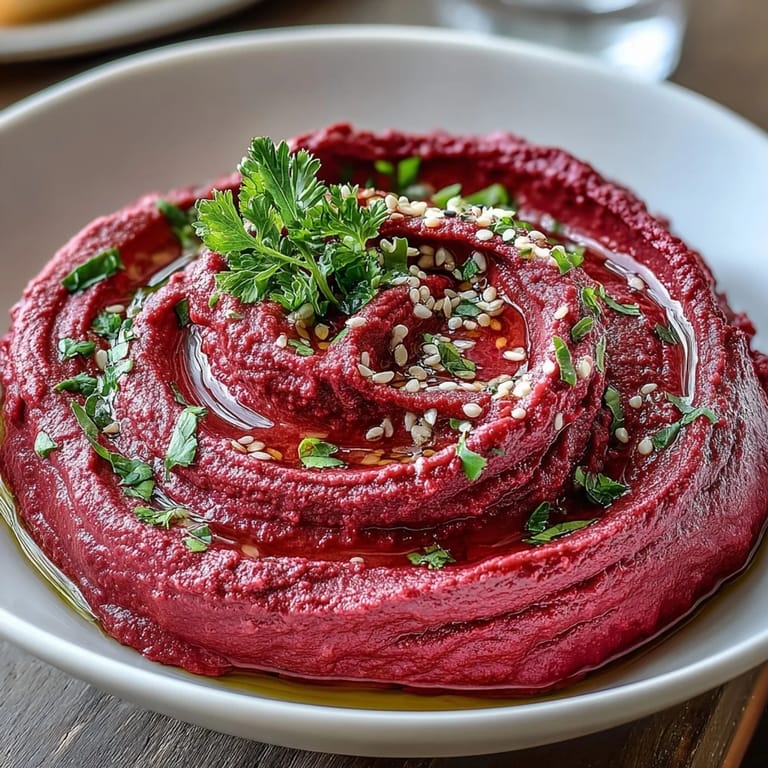
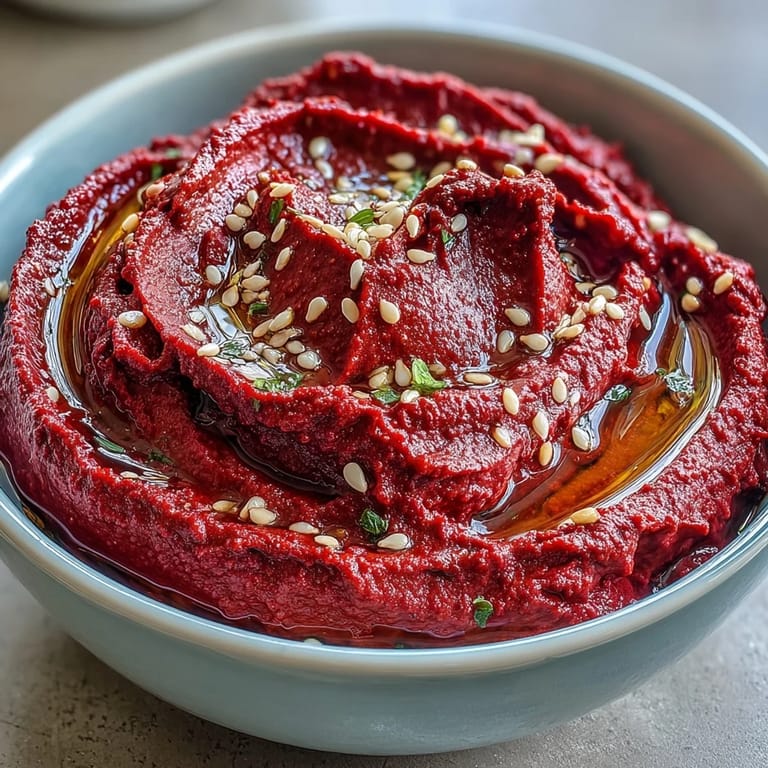
- Transfer to a serving bowl and drizzle with a little extra olive oil in a spiral. A sprinkle of sesame seeds or fresh parsley on top makes it look like you spent hours on it.
 Pin it
 The first time my mom tried this, she dipped a carrot stick, closed her eyes, and said it tasted like fall in a bowl. I'd never thought of food that way before, but she was right—it's somehow both light and grounding at the same time, the kind of thing that makes you want to make it again and again.
Why Beets Transform This Dip
Beets are nature's sweetener, and they do something magical when paired with tahini—they soften all that nutty intensity and create this balanced, almost buttery flavor that regular chickpea hummus can't touch. The color alone is half the magic; it's this jewel-toned magenta that makes people stop and stare before they even taste it. I've found that roasted beets have a sweeter, more concentrated flavor than raw ones, which is why this recipe specifically calls for roasting.
Storage and Make-Ahead Magic
This hummus keeps beautifully in an airtight container for up to 4 days, which means you can make it on Sunday and snack on it all week without guilt. The flavors actually deepen on day two or three, so if you have time, make it ahead and let it sit in the fridge overnight. If it gets a bit thick over time, just stir in a splash of water and it comes right back to life.
Ways to Serve and Stretch It
I love this with warm pita chips, but it's equally stunning on a platter alongside sliced cucumbers, bell peppers, and radishes—the beet's sweetness balances raw vegetables perfectly. You can also spread it on sandwiches, use it as a base for grain bowls, or even dollop it on roasted vegetables to make something that feels fancier than it actually is. My secret move is mixing it into Greek yogurt for a lighter dip that still tastes indulgent.
- Serve it at room temperature for the best flavor, or keep it chilled if you prefer—both work beautifully.
- If you're making it for guests, add a tiny drizzle of olive oil on top and maybe a pinch of pomegranate seeds for elegance.
- Leftover hummus doubles as a sauce for roasted chicken, beef, or fish if you want to use it beyond just dipping.
 Pin it
 This is the kind of recipe that seems small until you realize how often you're making it and how many people are asking for it. There's something about sitting around a table with good food and good people that reminds you why cooking matters.
Recipe FAQs
- → How long does roasted beet hummus keep?
Store in an airtight container in the refrigerator for up to 4 days. The flavors actually develop and improve after a day or two.
- → Can I use canned beets instead of fresh?
Fresh roasted beets provide the best flavor and texture, but you can use canned beets in a pinch. Drain and rinse them thoroughly before blending.
- → What makes this hummus pink?
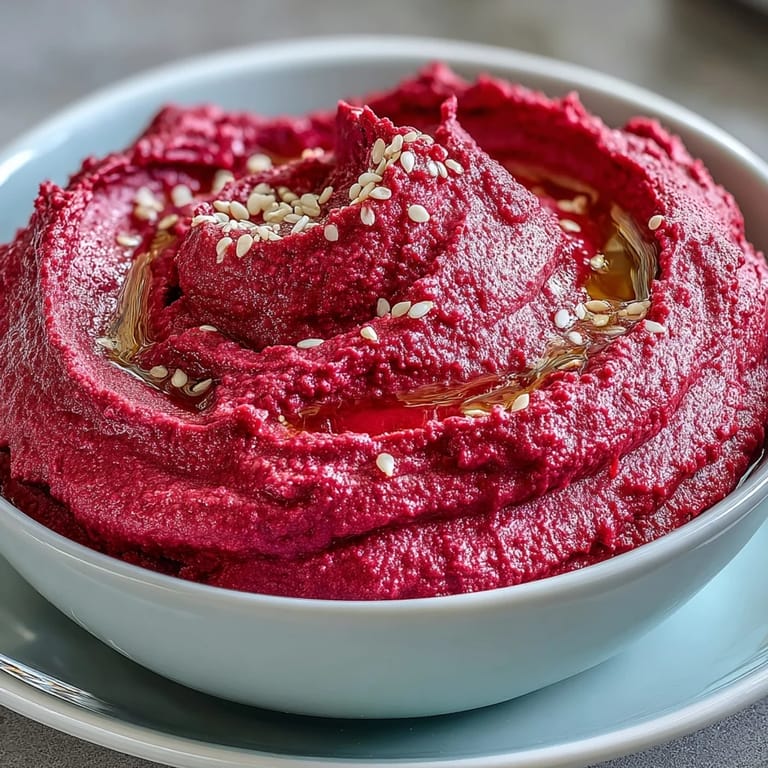
The vibrant magenta color comes entirely from the roasted beets. The more beet you use, the deeper the pink hue will be.
- → Is roasted beet hummus vegan?
Yes, this version is completely vegan, gluten-free, and packed with plant-based protein from the chickpeas.
- → How do I get the smoothest texture?
Blend for several minutes, scraping down the sides frequently. Adding cold water helps achieve that silky, restaurant-quality consistency.