 Pin it
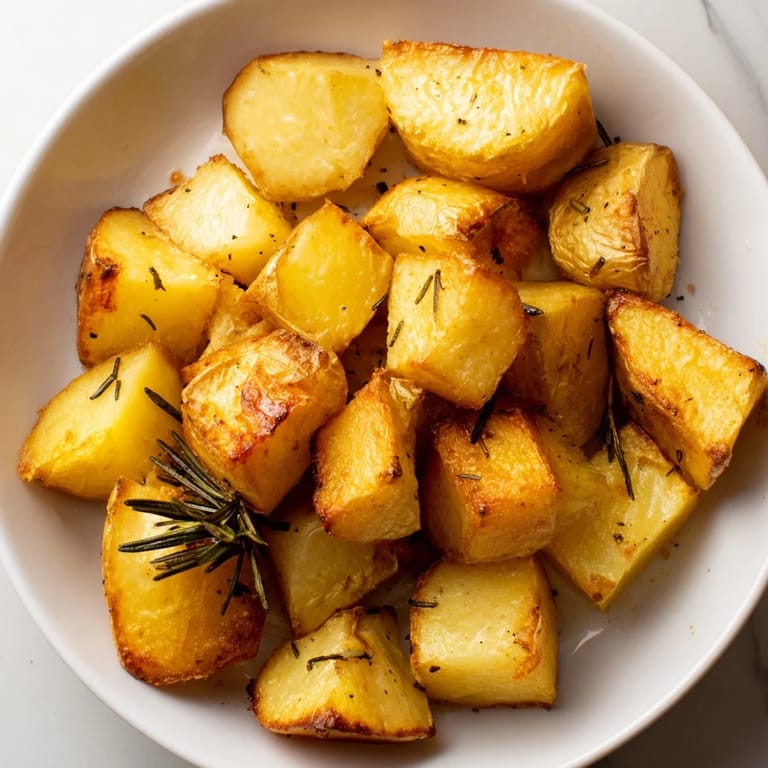
 My grandmother kept a jar of beef tallow in her pantry like it was liquid gold, and for years I couldn't figure out why she'd insist on roasting potatoes in it instead of the vegetable oil everyone else used. One Sunday, I finally asked, and she simply slid a golden, crispy potato onto my plate—the kind with edges that shattered between your teeth and an interior so creamy it barely needed salt. That single bite explained everything, and now I understand why she guarded that jar so carefully.
I made a huge batch of these for a winter dinner party when someone unexpectedly brought their new partner, and I remember watching him take that first bite—his whole face changed. He actually closed his eyes, and later admitted he'd grown up eating his mum's roast potatoes exactly this way but hadn't had them in years. By the end of the night, those potatoes had sparked this entire conversation about food memories and family recipes, and somehow they became the real reason people remembered that dinner.
Ingredients
- Yukon Gold or Russet potatoes (2 pounds): Choose Yukon Golds for their natural butter-like flavor or Russets for maximum fluffiness inside; the 2-inch chunks matter because they cook through before the outsides burn.
- Beef tallow (1/3 cup): This is the soul of the recipe—rendered beef fat that creates a flavor you literally cannot replicate with any other fat, with a high smoke point that gets these golden-brown instead of pale.
- Kosher salt (1 1/2 teaspoons plus more to taste): Kosher salt's larger crystals distribute more evenly than table salt and won't make the potatoes taste chemically bitter if you oversalt.
- Freshly ground black pepper (1/2 teaspoon): Grind it yourself right before cooking because pre-ground pepper loses its bite and the volatile oils that make it worth using.
- Fresh rosemary or thyme (2 tablespoons, optional): Infusing these into the melted tallow creates an herbaceous undertone that makes people wonder what you did differently.
- Garlic cloves (2, smashed, optional): Smashing rather than mincing releases the garlic's essence into the fat while keeping pieces large enough to remove so they don't scorch.
Tired of Takeout? 🥡
Get 10 meals you can make faster than delivery arrives. Seriously.
One email. No spam. Unsubscribe anytime.
Instructions
- Get your oven screaming hot:
- Preheat to 425°F and let that baking sheet heat for at least 10 minutes—a cold sheet means soggy bottoms, and you're after shattered, golden crispiness.
- Parboil with intention:
- Boil the potato chunks in salted water for 8–10 minutes until just the edges soften; this partially cooks the inside while roughing up the outside for maximum crisping. The potatoes should still hold their shape when you drain them.
- Rough them up:
- Return drained potatoes to the empty pot and shake gently so the edges break down slightly—these little craggy bits become the crispiest, most delicious parts once they hit the hot tallow.
- Infuse the tallow:
- Melt the beef tallow gently with smashed garlic and herbs if using, letting them perfume the fat for just 1–2 minutes before removing them so they don't turn bitter.
- Create a sizzling foundation:
- Pour half the hot tallow onto the screaming-hot baking sheet and tilt to coat completely; this is what catches the potato bottoms and turns them mahogany-brown.
- Coat and season:
- Spread potatoes in a single layer, drizzle with remaining tallow, and season aggressively with salt and pepper—these will roast for 40+ minutes, so the seasoning needs to penetrate.
- Roast and flip:
- After 20 minutes, flip each piece so the other side gets equally golden; this is the moment you'll notice the smell getting richer and more irresistible, which means you're winning.
- Finish until shattered:
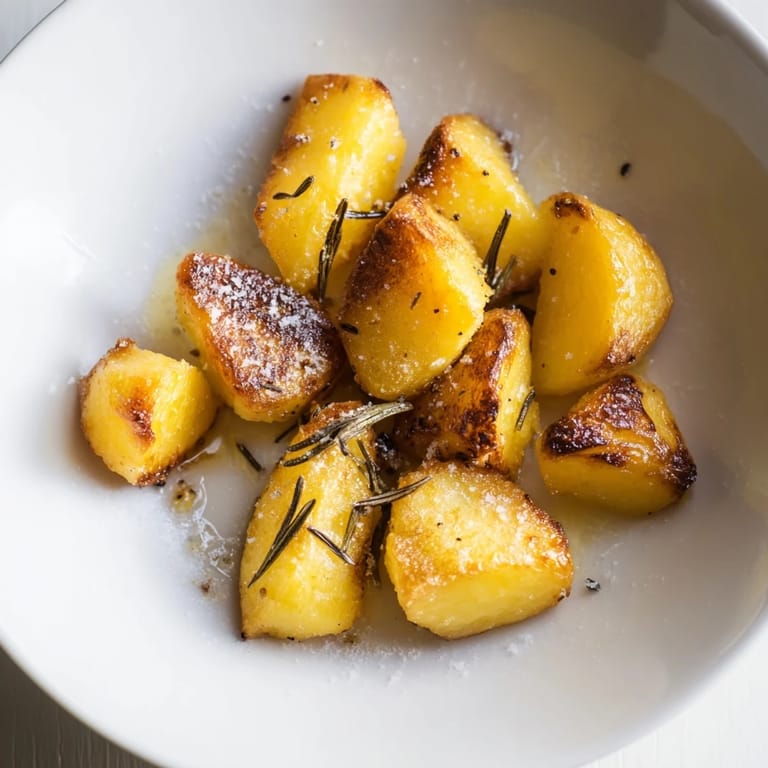
- Another 20–25 minutes until all sides are deep golden and genuinely crispy—the potatoes should sound crunchy when you push a fork into them.
 Pin it
 My sister brought her kids over during a holiday visit, and these potatoes somehow became the thing they asked for by name at every family gathering after. One of my nephews genuinely asked why restaurant roast potatoes tasted 'sad' compared to mine, which was the highest compliment a kid could give, and honestly made me laugh out loud at the dinner table.
Finding Good Beef Tallow
The quality difference between grocery store tallow and what you can render from a butcher's beef trimmings is genuinely night-and-day, so it's worth asking your butcher if they'll save some fat for you—most are thrilled someone wants it. If you can't find beef tallow, duck fat and goose fat create a different but equally delicious crisping effect, though the flavor shifts from deep savory to something slightly more refined. Rendered pork lard works too in a pinch, but beef tallow is where the magic lives for this particular recipe.
The Science of Crispiness
Beef tallow crisps potatoes because its smoke point sits around 400°F—high enough to brown the exterior rapidly while the parboiling keeps the inside from drying out. The fat also has a different crystal structure than oil, which means it clings to the potato surface and creates those shattering, glass-like edges rather than just coating them. This is why the same potatoes in olive oil taste soft by comparison, even though both are technically being roasted correctly.
Timing and Temperature Tricks
The oven temperature matters more than you'd think—425°F is hot enough to crisp without burning, and if your oven runs cool, even 25°F higher can rescue a batch of pale potatoes. Some ovens have hot spots, so rotating the pan halfway through the second 20-minute stretch prevents one side from catching darker than the other. The potatoes are genuinely done when a fork pierces the center with no resistance and the exterior has that deep, burnished gold color that looks almost caramelized.
- If potatoes look pale after 35 minutes total, crank the temperature to 450°F for the final stretch to ensure they crispen properly.
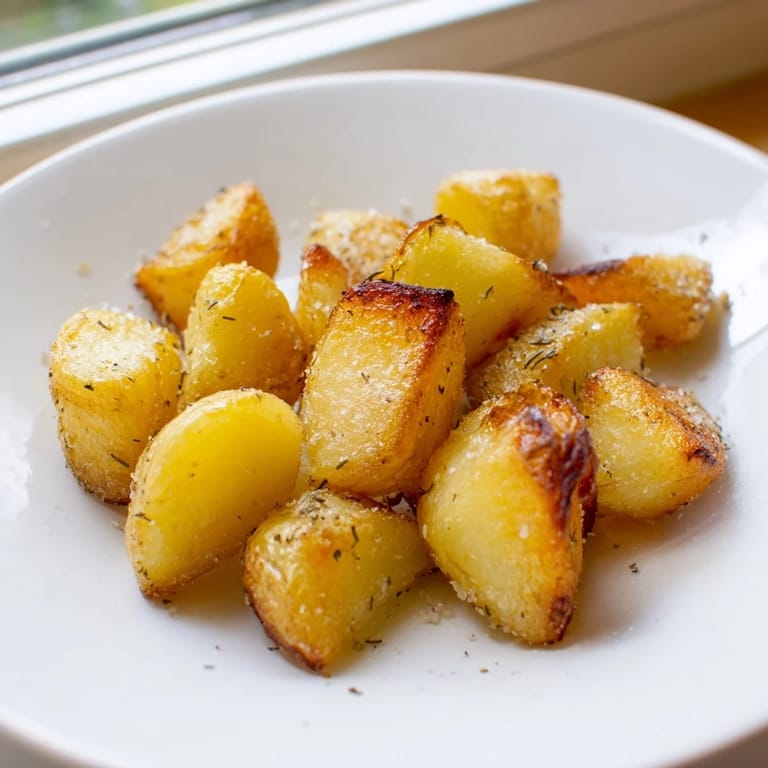
- Let finished potatoes rest on the hot pan for just 2–3 minutes; this sets the crust so they stay crispy even on the walk to the table.
- Serve immediately because these are absolute magic the moment they come out and lose something magical once they cool past warm.
 Pin it
 These potatoes have become my answer to 'what should I bring?' at any gathering where there's roasted meat involved, because they're reliable, they disappear, and somehow they make everything else on the table taste better too. There's something about that deep, savory tallow flavor that just belongs alongside real food.
Recipe FAQs
- → Why use beef tallow for roasting potatoes?
Beef tallow imparts a rich, savory depth and helps create an exceptionally crispy crust that holds moisture inside the potatoes.
- → How do I ensure the potatoes become crispy outside and fluffy inside?
Parboiling the potato chunks until just tender softens the interior. Shaking them in the pot roughens edges, promoting crispiness during roasting with hot tallow.
- → Can I add herbs or garlic while roasting?
Yes, infusing the melted beef tallow with smashed garlic and fresh rosemary or thyme before roasting enriches the flavor profile subtly and naturally.
- → What temperature is best for roasting these potatoes?
A preheated oven at 425°F (220°C) with a hot baking sheet ensures even roasting and develops a golden, crunchy exterior.
- → Are there alternatives to beef tallow for this method?
Duck fat or goose fat can be used as flavorful substitutes, offering similar rich textures and savory notes.
- → How can I add a spicy twist to these potatoes?
A pinch of smoked paprika or chili flakes sprinkled before roasting adds subtle heat without overpowering the dish.