 Pin it
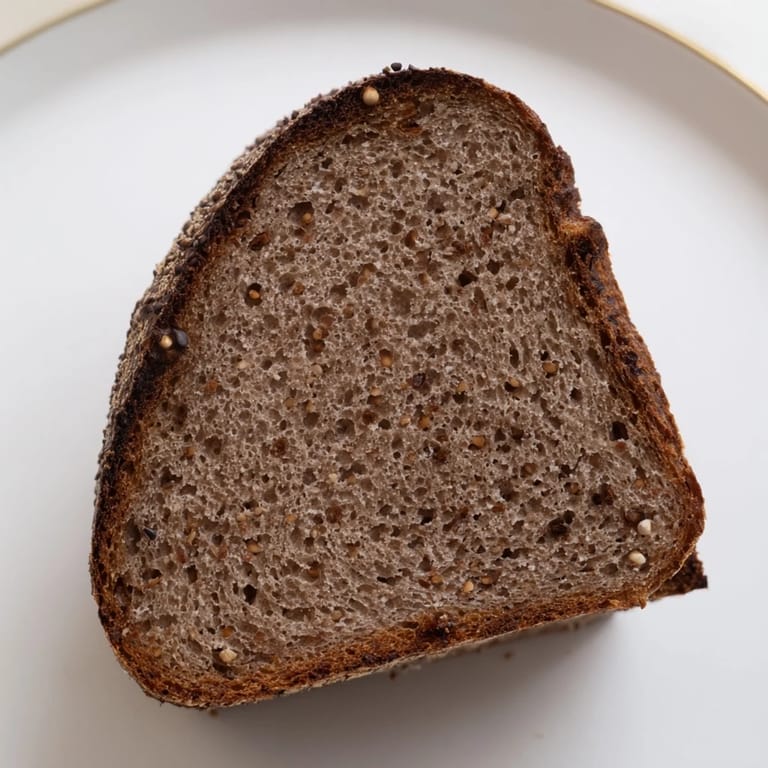
 I discovered Estonian leib during a cold winter afternoon in a small Tallinn kitchen, watching an elderly woman pull a deep mahogany loaf from the oven with the kind of ease that only comes from decades of practice. The smell that filled the room—toasted caraway, molasses, and something earthy I couldn't quite name—felt like stepping into a memory that wasn't even mine. Years later, I finally understood what that aroma meant: home, resilience, and the kind of bread that tastes like history.
I made this bread for a small dinner party on the eve of the first real snow, and it became the thing people remembered most—not the main course, but these dark, chewy slices spread with salted butter. Someone brought aged Estonian cheese, someone else brought smoked fish, and suddenly my kitchen became a table where time didn't matter. The bread held everything together, literally and otherwise.
Ingredients
- Active rye sourdough starter (100 g): This is your living culture, the fermentation engine—make sure it's bubbly and at peak activity before you start, or the bread will be dense and disappointing.
- Dark rye flour (400 g): The backbone of this bread, giving it that deep color and earthy complexity nothing else can match.
- Bread flour (100 g): Just enough wheat to give the dough structure and help it rise without becoming a brick.
- Lukewarm water (300 ml): This is your dough's only liquid, so temperature matters—too cold and fermentation stalls, too hot and you kill your starter.
- Dark rye malt powder (50 g): The secret ingredient that no one expects but everyone notices, adding subtle sweetness and that authentic complexity.
- Molasses or dark honey (2 tbsp): Feeds the fermentation and deepens the bread's color and flavor in ways sugar never could.
- Caraway seeds (1 tbsp, plus optional 1 tsp for topping): Toast them lightly in a dry pan first if you want to wake up their flavor—it makes a difference you'll taste immediately.
- Fine sea salt (2 tsp): Use the finest you have; it dissolves faster and distributes more evenly through the sticky dough.
Tired of Takeout? 🥡
Get 10 meals you can make faster than delivery arrives. Seriously.
One email. No spam. Unsubscribe anytime.
Instructions
- Awaken Your Starter:
- Pour your active sourdough starter into a large bowl with the lukewarm water and molasses, stirring until everything dissolves into a cloudy mixture. You're waking up the cultures and giving them the first food they'll work with.
- Build the Dough:
- Add both flours, the malt powder, caraway seeds, and salt all at once, then mix with a wooden spoon until a thick, shaggy dough forms—it should look almost paste-like and sticky enough that you wouldn't dream of kneading it by hand. This dough doesn't need aggressiveness; it needs time and trust.
- First Rise—The Long Patience:
- Cover the bowl with a damp cloth and leave it alone at room temperature for 10 to 12 hours, or overnight. You're looking for visible bubbles on the surface and a dough that's expanded noticeably but not explosively; this slow fermentation is where all the flavor lives.
- Shape and Pan:
- Line your loaf pan with parchment paper or give it a light grease. Scrape the dough from the bowl directly into the pan—don't worry about it being rough—and smooth the top gently with a wet spatula to help it settle. Sprinkle more caraway seeds on top if you want them to toast into the crust.
- Second Rise—The Final Stretch:
- Cover the pan and let it rise for 2 to 4 hours at room temperature until the dough reaches close to the rim of the pan. You want it puffy but not overextended; if it rises too far it'll spread sideways instead of up, and you'll lose that satisfying dense crumb.
- Prepare for Steam:
- Preheat your oven to 220°C (430°F) and place a shallow pan filled with hot water on the bottom rack. The steam will help the crust develop that deep, glossy mahogany color and keep the bread from bursting unpredictably.
- Bake Two-Temperature Style:
- Bake the loaf on the middle rack at 220°C for 15 minutes to set the crust and expand the crumb, then reduce the heat to 190°C (375°F) for another 30 minutes. You're listening for that hollow tap when you thump the bottom—that's your signal that the inside has baked through.
- Cool Completely:
- Remove the loaf and set it on a wire rack until it's completely cool. I know the urge to slice into warm bread is almost irresistible, but slicing it warm will compress the crumb you spent all that time building.
 Pin it
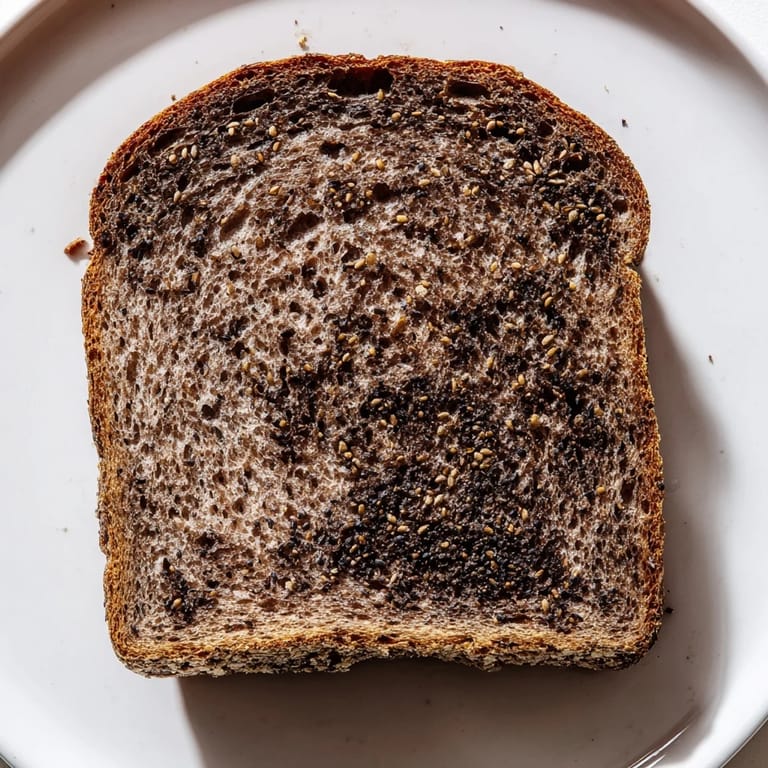
 A friend who grew up in Tallinn watched me pull this loaf from the oven and got quiet for a moment, then said it smelled exactly like her grandmother's kitchen. That single moment made everything—the long fermentation, the careful temperature shifts, all of it—feel like something sacred, not just a recipe.
The Rye Difference
Rye flour is different from wheat in ways that matter. It absorbs more water, ferments faster, and contains pentosans that make the dough feel almost alive in your hands—sticky and elastic in unpredictable ways. The first time I made this, I thought something was wrong. The second time, I realized I was just used to wheat bread behavior. Rye demands patience and acceptance rather than control, and the bread rewards that surrender with flavor and keeping power that wheat could never achieve.
Why Malt Matters
Dark rye malt is the ingredient that separates authentic Estonian leib from bread that just looks dark. It adds a subtle sweetness and an undertone of toasted grain that feels almost mysterious to people tasting it for the first time. You can't replace it with cocoa powder or coffee even though they're tempting shortcuts—malt works with the fermentation in ways those other ingredients simply don't. If you can't find it, your bread will still be delicious, but it won't have that specific Estonian soul.
Serving and Storage
This bread was made for thick slices spread with cold salted butter, paired with something cured or aged—smoked fish, sharp cheese, salted herring. It's at its best with other strong flavors that won't be overwhelmed. Wrap it in a clean kitchen towel after it's completely cooled, and it'll stay fresh for nearly a week at room temperature, gradually becoming even more tender and complex as the days pass.
- Toast day-old slices and they become something entirely new—crunchy outside, almost creamy inside.
- If you have extra, freeze it whole and it keeps perfectly for months, thawing back to nearly fresh quality.
- Never store it in plastic while it's still warm or the crust will steam itself into softness.
 Pin it
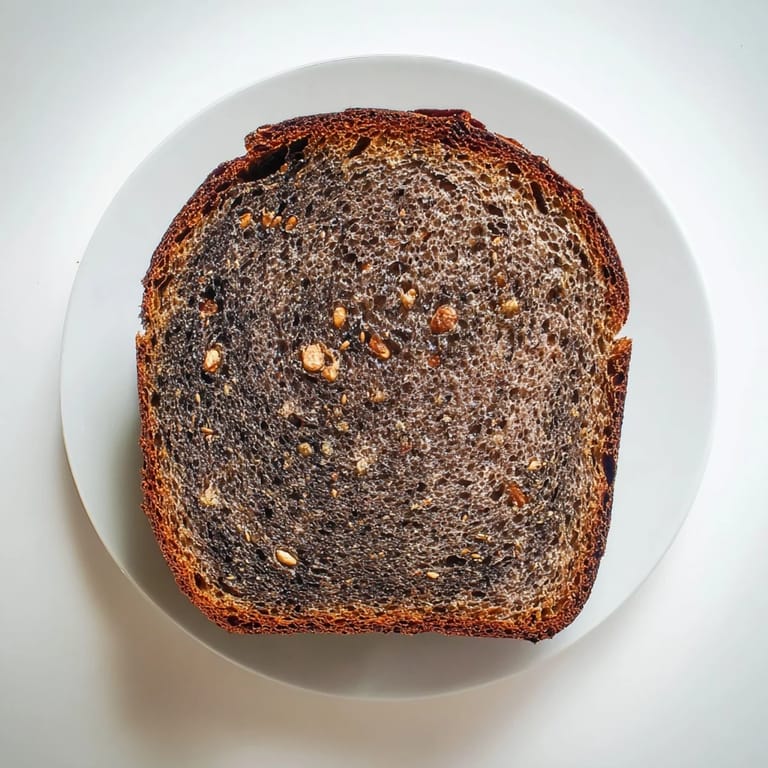
 This bread carries something in it beyond ingredients and technique. It's meant to be broken and shared, to sit at the center of a table where people slow down enough to taste it properly. Once you make it, you'll understand why Estonians never stopped making it, even through centuries when nothing was guaranteed.
Recipe FAQs
- → What types of flour are used in this bread?
This bread uses dark rye flour complemented by bread (wheat) flour for structure and texture.
- → How does the malt influence the bread's flavor?
Dark rye malt imparts a subtle sweetness and depth, enhancing the bread's rich, malty aroma and color.
- → Why are caraway seeds included in the dough?
Caraway seeds add a distinctive, slightly spicy, aromatic touch that complements the dark rye base beautifully.
- → What is the purpose of the steam during baking?
Steam during the initial baking phase helps develop a crisp crust and allows for optimal oven spring.
- → How long should the dough rise before baking?
The dough requires a long first rise of 10–12 hours, followed by a shorter second rise of 2–4 hours to develop flavor and texture.
- → Can molasses be substituted in this loaf?
Molasses or dark honey is used for sweetness; either adds rich, deep flavors to complement the malt.