 Pin it
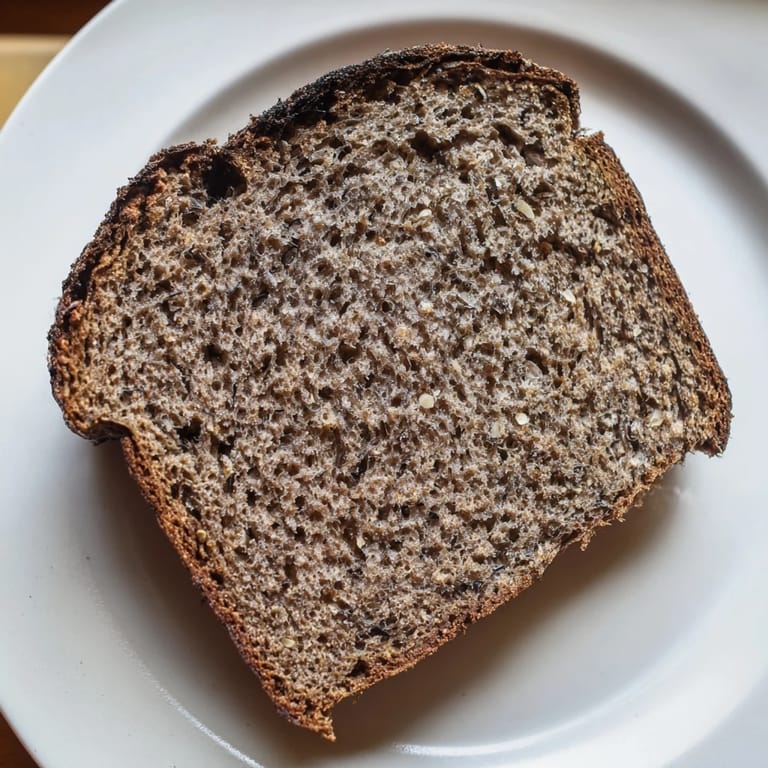
 My first encounter with rupjmaize happened in a small Riga apartment on a gray November morning, the kind where frost clings to windows and the kitchen smells like generations of baking. An elderly neighbor had left a wrapped loaf on our doorstep, still warm, and when I sliced into it—the knife meeting that dense, dark crumb with a soft resistance—I understood why this bread has survived centuries in Latvia. The aroma hit like a comfort I didn't know I was missing: earthy rye, whispers of molasses, those mysterious caraway seeds creating a flavor that felt both ancient and oddly modern.
I made this bread for a dinner party once, nervous about feeding people something so unfamiliar, so deliberately un-Instagram. Someone cut into it, buttered a slice, tasted it, and went quiet—not awkwardly quiet, but the kind where you know the bread has said something true. That's when I realized rupjmaize isn't trying to impress anyone; it's just deeply, reliably itself, which somehow makes it more impressive than anything showy could.
Ingredients
- Dark rye flour (500 g): This is the backbone—it's heavier and earthier than wheat flour, creating that signature dense crumb that holds up to toasting and thick spreads of butter.
- Bread flour (100 g): Just enough structure to keep the loaf from becoming a brick, but not so much that it loses the characteristic rye heaviness.
- Active dry yeast (1 packet, 7 g): Standard yeast works perfectly; the long rise time means you don't need anything fancy or expensive.
- Warm water (350 ml): Temperature matters more than you'd think—too hot kills the yeast, too cold and it dawdles; aim for the warmth of a comfortable bath.
- Molasses or dark honey (2 tbsp): This adds subtle sweetness and depth that makes people try to identify what they're tasting, then give up and just enjoy it.
- Salt (2 tsp): Necessary not just for flavor but to control fermentation and give the crust that satisfying crackling potential.
- Caraway seeds (2 tsp): Toast them first if you can—it releases oils and changes the entire character of the bread from pleasant to unforgettable.
- Vegetable oil (1 tbsp, plus more for greasing): Keeps the dough tender and prevents it from drying during that long overnight rise.
Tired of Takeout? 🥡
Get 10 meals you can make faster than delivery arrives. Seriously.
One email. No spam. Unsubscribe anytime.
Instructions
- Wake Up Your Yeast:
- Combine warm water, molasses, and yeast in a large bowl and let it sit for 10 minutes. You'll see it begin to foam and bubble—this is the yeast coming alive, proof that fermentation is about to happen.
- Build the Dough:
- Stir in the rye flour, bread flour, salt, and caraway seeds until a sticky, shaggy dough forms. Don't panic if it looks messier than typical bread dough; rye is naturally sticky and that's exactly what you want.
- Knead with Purpose:
- Drizzle in the oil and knead by hand or with a dough hook for 5–7 minutes until the dough becomes smooth and elastic. Your hands or the hook will feel resistance, then gradual surrender as the gluten develops.
- The Long Sleep Begins:
- Oil a bowl, nestle the dough inside, cover it with plastic wrap or a damp towel, and let it rise at room temperature for 12–16 hours overnight. This isn't laziness; it's where the flavor happens, where the rye ferments and deepens into something complex.
- Shape and Second Rise:
- Punch down the dough (satisfying, every time), shape it into a round or oval on a lightly floured surface, and set it on parchment paper or in a greased loaf pan. Cover and let it rise for 45–60 minutes until puffy and alive.
- Prepare to Bake:
- While the dough has its final rest, heat your oven to 220°C (425°F). Dust the top with rye flour and score it if you like—these small acts signal that something intentional is about to happen.
- Bake Until Golden-Dark:
- Place the loaf in the center of the oven and bake for 45–50 minutes until the crust is deeply browned and the bottom sounds hollow when tapped. This is the moment the house fills with that unmistakable rye-bread smell.
- Cool Completely:
- Transfer to a wire rack and let it cool completely before slicing. Patience here matters; cutting too early releases steam and makes the crumb gummy instead of properly tender.
 Pin it
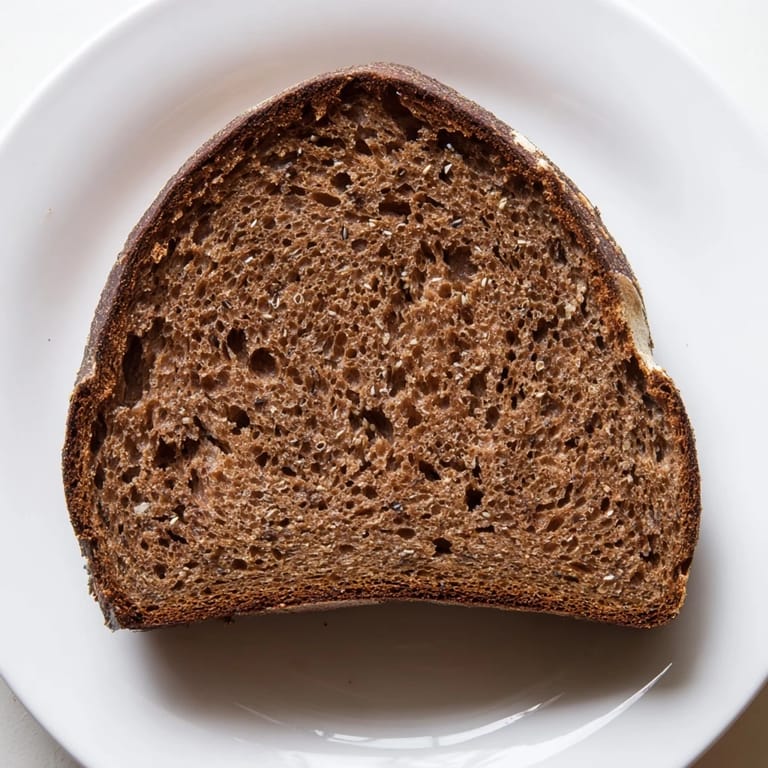
 There's a moment when you pull this loaf from the oven, when the kitchen becomes almost holy with that deep, complex aroma, and you realize bread this honest doesn't need apologies or explanations. It just needs butter, maybe some smoked fish if you're feeling Latvian, and people who understand that the best things take time.
Why Rye Bread Demands Respect
Rye is stubbornly different from wheat—heavier, more absorbent, more alive during fermentation. I learned this the hard way by treating it like regular bread and ending up with something dense in all the wrong ways. Once I accepted that rye has its own rules and timeline, everything clicked. The flour wants that long rise; it wants time to develop flavor through slow fermentation rather than quick proofing. Your patience is the secret ingredient here, more valuable than any fancy equipment or imported flour.
Serving and Storage Suggestions
This bread reaches its full potential when sliced thick and toasted, the crumb turning slightly crisp while the interior warms through. Spread with salted butter and it becomes almost transcendent; pair it with smoked fish, hearty stews, or aged cheese and you're not just eating bread—you're tasting a culinary tradition. It also keeps remarkably well; I slice it before freezing so I can toast individual pieces whenever the craving hits, which is often.
Making It Your Own
The baseline recipe is beautiful and complete, but rupjmaize is forgiving enough to accept gentle experiments. Some bakers add a touch of caraway oil for intensity, others incorporate a small amount of whole rye grains for texture, and I've seen versions with a light dusting of coarse salt on top that adds a pleasant crunch. The molasses can be adjusted slightly sweeter or kept austere depending on your preference, and if you find caraway overwhelming, you can reduce it or leave it out entirely—though I'd encourage you to embrace it at least once before deciding.
- For deeper caraway flavor without overpowering, lightly toast the seeds in a dry skillet before adding them to the dough.
- Keep a spray bottle of water nearby while baking for a crispier crust, though the bread develops a beautiful dark crust naturally.
- Slice this bread with a serrated knife using a gentle sawing motion to avoid compressing the crumb.
 Pin it
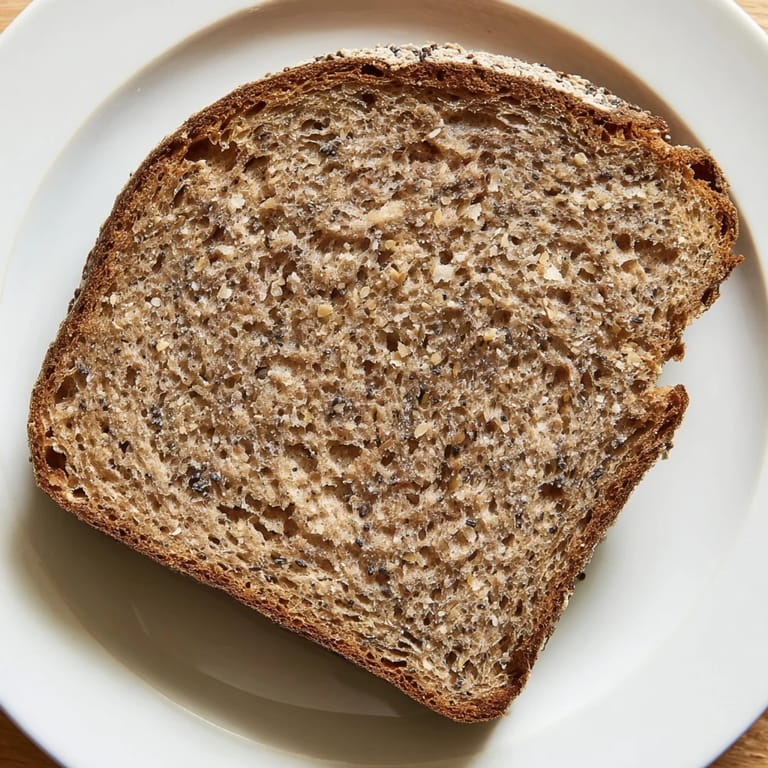
 Making rupjmaize teaches you something about the relationship between time and flavor, between constraint and possibility. This is bread that rewards your patience with something genuinely good.
Recipe FAQs
- → What gives Latvian Rupjmaize its distinctive flavor?
The flavor comes mainly from dark rye flour, molasses to add sweetness, and the aromatic caraway seeds blended into the dough.
- → How long should the dough rise for best results?
Allow the dough to rise for 12 to 16 hours at room temperature to develop its dense texture and rich flavor.
- → Why is the dough sticky, and how should it be handled?
Rye flour creates a sticky dough; kneading gently and shaping with floured hands helps manage this texture.
- → What is the ideal way to bake and serve this bread?
Bake at high heat until deeply browned and hollow sounding when tapped; cool before slicing. Toast for added crispness.
- → Can the bread be frozen and reheated?
Yes, slice before freezing. Reheat by toasting or gently warming to restore freshness and texture.